

Rufous-backed Redstart vs Codirosso spazzacamino
Phoenicurus erythronotus contro Phoenicurus ochruros
Fai un quiz con Rufous-backed Redstart e Codirosso spazzacamino
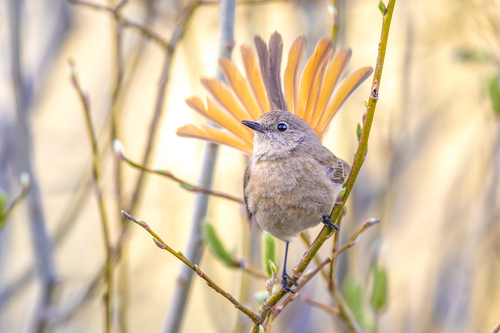 Rufous-backed Redstart
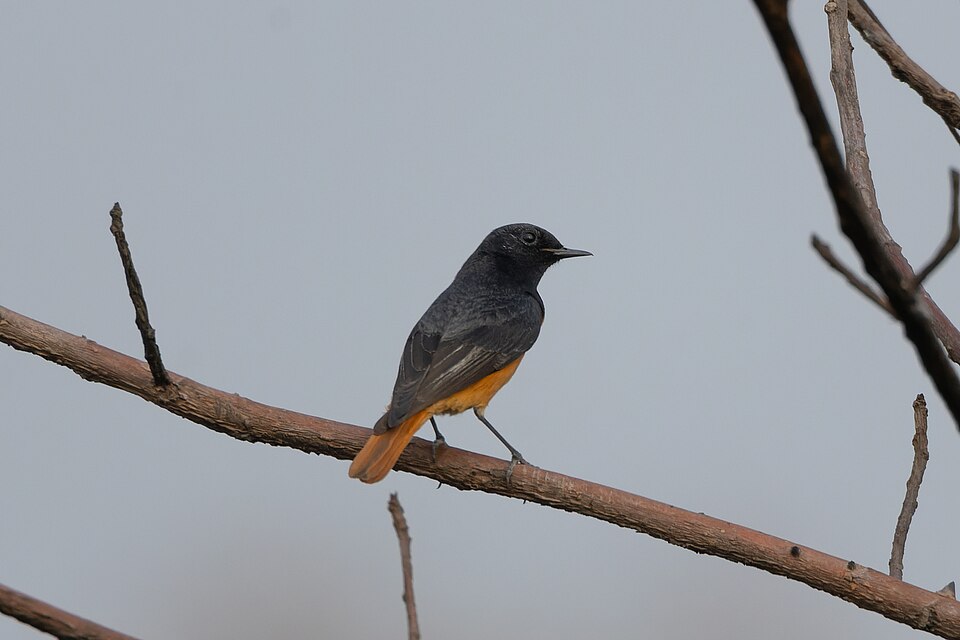 Codirosso spazzacamino
In breve
Il segno di campo più affidabile per separare il Rufous-backed Redstart (Eversmann's Redstart) dal Codirosso spazzacamino è la combinazione del pattern delle ali superiori e della colorazione generale, specialmente negli uccelli di primo inverno e femmine. Il Rufous-backed Redstart mostra evidenti macchie bianche sulle ali (sulle scapolari e sulle copritrici primarie) nei maschi, e le femmine hanno due barre alari color crema e un dorso e una coda ruggine con un centro scuro. Il Codirosso spazzacamino, indipendentemente dall'età o dal sesso, non presenta queste macchie bianche sulle ali e ha invece un'ala più uniforme e un corpo più scuro, spesso nerastro, nei maschi. Le femmine e i giovani del Codirosso spazzacamino sono più semplici, con un aspetto sabbioso o grigio-marrone e una coda meno contrastante. Queste differenze sono più evidenti quando gli uccelli sono in posa o in buona luce, ma possono essere viste anche in volo se il pattern delle ali è visibile.
Consigli di identificazione
- Macchie bianche sulle ali (scapolari e copritrici primarie): Solo il Rufous-backed Redstart (soprattutto i maschi, ma visibili anche nei maschi non in riproduzione/primo inverno più spenti) mostra chiare macchie bianche sulle ali. Il Codirosso spazzacamino non mostra mai bianco nelle ali.
- Barre alari color crema e bordi delle terziali (femmine/immaturi): Le femmine e gli immaturi di Rufous-backed Redstart hanno due barre alari color crema e bordi delle terziali color crema, che sono assenti nel Codirosso spazzacamino di qualsiasi età o sesso.
- Dorso e groppone ruggine: Il Rufous-backed Redstart (tutte le età) mostra un dorso e un groppone ruggine, in contrasto con le parti superiori grigie o nerastre del Codirosso spazzacamino. Questo è particolarmente evidente nei maschi adulti ma può essere visto anche nelle femmine e negli immaturi.
- Pattern della coda: Entrambe le specie hanno code ruggine, ma la coda del Rufous-backed Redstart è ruggine con un centro scuro, mentre la coda del Codirosso spazzacamino è più uniformemente ruggine o ruggine-castagna, a volte con meno contrasto.
- Colorazione generale (maschi): I maschi di Rufous-backed Redstart hanno una maschera nera, una corona/nuca grigia e parti inferiori ruggine, con bianco sull'addome e sulla parte sottocoda. I maschi di Codirosso spazzacamino sono più scuri nel complesso, con un volto, un petto e parti superiori neri, e mancano di bianco sull'addome e sulla parte sottocoda.
- Colorazione femminile/giovanile: Le femmine e i giovani di Rufous-backed Redstart sono grigio-marrone con un anello oculare pallido, coda ruggine e barre alari. Le femmine/giovanili di Codirosso spazzacamino sono più semplici, sabbiose o grigio-marrone, con una coda meno distintiva e senza barre alari.
- Becco e zampe: Entrambe le specie hanno becchi e zampe neri; questo non è un segno utile per la separazione.
- Contesto dell'habitat: In ambienti urbani o rocciosi in Europa/Nord Africa, il Codirosso spazzacamino è molto più probabile. Il Rufous-backed Redstart è limitato agli habitat dell'Asia Centrale.
- Dimensioni: Il Rufous-backed Redstart è leggermente più grande e massiccio, ma questo è raramente diagnostico sul campo.
- Comportamento: Entrambi muovono le code, ma il Codirosso spazzacamino può apparire più irrequieto ed è più probabile vederlo su edifici o muri.
- Voce: Il Rufous-backed Redstart ha un canto vivace e richiami croccanti/fischianti, ma a meno che tu non conosca bene entrambe le specie, la voce non è un segno di campo primario.
- Variazione stagionale: I maschi di Rufous-backed Redstart non in riproduzione e di primo inverno sono più spenti ma mantengono le macchie bianche sulle ali; i maschi di Codirosso spazzacamino rimangono scuri e mancano di macchie sulle ali tutto l'anno.
- Confusione tra sottospecie: Alcune sottospecie asiatiche di Codirosso spazzacamino hanno parti inferiori ruggine ma mancano ancora delle macchie bianche sulle ali e hanno un dorso e una testa più scuri rispetto al Rufous-backed Redstart.
- Anello oculare: La femmina di Rufous-backed Redstart può mostrare un anello oculare pallido, che è meno distintivo o assente nel Codirosso spazzacamino.
- Trappole: Fai attenzione ai Rufous-backed Redstart di primo inverno spenti, che possono apparire simili alle femmine di Codirosso spazzacamino a un primo sguardo, ma la presenza di barre alari e un dorso/coda ruggine sono fondamentali.
Taglia
Il Rufous-backed Redstart è leggermente più grande, misurando 15–16 cm di lunghezza con un'apertura alare di 25.5–27 cm e un peso di 15–22 g. Il Codirosso spazzacamino è generalmente più piccolo, ma misurazioni comparative precise non sono fornite nelle fonti. Sul campo, la differenza di dimensioni è sottile e di solito non è diagnostica a meno che entrambi non siano visti fianco a fianco.
Piumaggio
- Giovanile/Primo inverno/Femmina: Le femmine e gli immaturi di Rufous-backed Redstart sono per lo più grigio-marrone con una coda ruggine (centro scuro), un anello oculare pallido, due barre alari color crema e bordi delle terziali color crema. Le femmine e i giovani del Codirosso spazzacamino sono più semplici, grigio-marrone chiaro o sabbiosi, con un pattern della coda meno distintivo e privi di barre alari o macchie bianche. La loro coda è anch'essa ruggine ma meno contrastante, e il corpo è di colore più uniforme.
- Maschio adulto (Riproduzione): I maschi di Rufous-backed Redstart hanno una maschera nera sorprendente, una corona e una nuca grigie, un dorso e un groppone ruggine, una coda ruggine con piume centrali più scure e macchie bianche prominenti sulle scapolari e sulle copritrici primarie. Le parti inferiori sono principalmente ruggine con bianco sull'addome e sulla parte sottocoda. I maschi di Codirosso spazzacamino (attraverso le sottospecie) sono più scuri nel complesso, spesso con un volto, un petto e parti superiori neri, e una coda e un ventriglio ruggine o ruggine-castagna. Mancano delle macchie bianche sulle ali e hanno un'ala più uniforme. Alcuni maschi asiatici di Codirosso spazzacamino hanno parti inferiori ruggine ma mancano ancora dei pannelli bianchi sulle ali e hanno un dorso più scuro.
- Maschio non in riproduzione/Primo inverno: I maschi di Rufous-backed Redstart sono più spenti e marroni ma mantengono le macchie bianche sulle ali e la coda ruggine. I maschi di Codirosso spazzacamino rimangono scuri e mancano di bianco nelle ali.
Comportamento
Entrambe le specie muovono frequentemente le code su e giù, un comportamento tipico dei redstart. Il Rufous-backed Redstart può apparire leggermente più massiccio e più eretto quando è in posa. Il Codirosso spazzacamino è spesso visto in habitat rocciosi o urbani, a volte su edifici o muri, e può apparire più irrequieto, scendendo frequentemente a terra per nutrirsi. In volo, nessuna delle due specie mostra un jizz particolarmente distintivo che sia diagnostico, ma le macchie bianche sulle ali del Rufous-backed possono catturare l'occhio se viste bene.
Habitat
Il Rufous-backed Redstart è più localizzato in Asia Centrale e non è così diffuso come il Codirosso spazzacamino. Il Codirosso spazzacamino è estremamente adattabile, nidificando in habitat rocciosi, paesi e città in tutta l'Eurasia e il Nord Africa. Se ti trovi in una città o in un'area urbana rocciosa in Europa o Nord Africa, è molto più probabile che tu veda il Codirosso spazzacamino. Il Rufous-backed Redstart preferisce habitat più aperti, cespugliosi o montani nel suo areale.
Voce
Il Rufous-backed Redstart ha un canto forte e vivace, un richiamo morbido e croccante, e un richiamo fischiante. Il canto e i richiami del Codirosso spazzacamino non sono dettagliati nelle note, ma in pratica, le loro vocalizzazioni sono diverse. Tuttavia, a meno che tu non sia familiare con entrambe, la voce non è il segno di campo più affidabile per la separazione.
Rufous-backed Redstart · Codirosso spazzacamino · I miei uccelli difficili