

Ruffed Grouse vs Sharp-tailed Grouse
Bonasa umbellus contro Tympanuchus phasianellus
Fai un quiz con Ruffed Grouse e Sharp-tailed Grouse
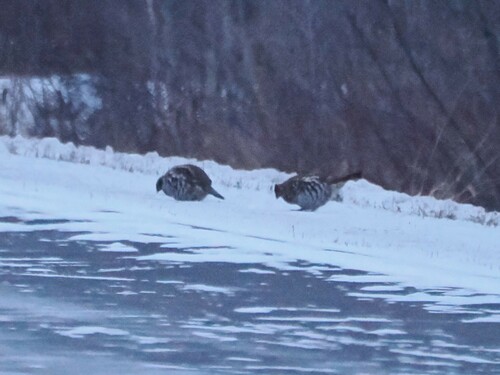 Ruffed Grouse
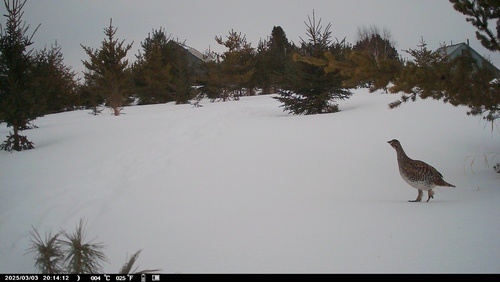 Sharp-tailed Grouse
In breve
Il segno di campo più affidabile tra Ruffed Grouse e Sharp-tailed Grouse è la coda: Ruffed Grouse mostra una larga banda subterminale scura vicino alla punta di una coda arrotondata, mentre Sharp-tailed Grouse ha una coda distintamente appuntita con piume esterne bianche e manca della larga banda. Ruffed Grouse sono uccelli compatti e robusti con una testa corta e crestata e un piumaggio marrone o grigio variabile, spesso visti in foreste dense. Al contrario, Sharp-tailed Grouse sono più grandi, con un corpo più lungo, e preferiscono praterie aperte o terreni erbosi. Anche se entrambe le specie possono apparire simili a un primo sguardo, specialmente in volo, un attento esame della forma della coda, dell'habitat e della struttura generale le separerà in modo affidabile.
Consigli di identificazione
- Forma e modello della coda: Ruffed Grouse ha una larga banda subterminale scura su una coda arrotondata; Sharp-tailed Grouse ha una coda appuntita con piume esterne bianche e senza banda larga. Questo è il segno di campo più affidabile in tutte le stagioni e età.
- Struttura generale: Ruffed Grouse è compatto e robusto, con un collo e una coda corti, e una leggera cresta sulla testa. Sharp-tailed Grouse è più lungo, con un collo e una coda proporzionalmente più lunghi, e manca di cresta.
- Varianti di piumaggio: Ruffed Grouse si presenta in varianti grigie e marroni, con la variante grigia che mostra più bianco sotto e la variante marrone che appare più uniformemente marrone. Sharp-tailed Grouse non mostra una forte variazione morfologica.
- Collari sul collo: Ruffed Grouse ha collari scuri sui lati del collo (visibili quando si esibisce o è all'erta); Sharp-tailed Grouse manca di questi.
- Cresta: Solo Ruffed Grouse mostra una cresta, che può essere sollevata o appiattita; Sharp-tailed Grouse ha sempre una testa liscia e arrotondata.
- Differenze sessuali: Entrambe le specie sono simili tra i sessi, ma le femmine di Ruffed Grouse possono avere una banda della coda rotta, e i maschi tendono ad averne una completa. Questo è sottile e non sempre affidabile sul campo.
- Stile di volo: Ruffed Grouse esplode dalla copertura con battiti d'ala rapidi e rumorosi, di solito bassi e diretti tra gli alberi. Sharp-tailed Grouse decolla in modo più costante, spesso in gruppi, volando più in alto e più lontano su terreni aperti.
- Habitat: La foresta densa o il bordo della foresta favoriscono fortemente Ruffed Grouse; la prateria aperta, il terreno erboso o la macchia indicano Sharp-tailed Grouse.
- Esibizione di corteggiamento: Se vedi o senti un uccello 'battere' su un tronco, è un Ruffed Grouse. Se vedi un gruppo di uccelli che si esibiscono insieme su terreno aperto (lekking), sono Sharp-tailed Grouse.
- Becco e faccia: Ruffed Grouse ha un becco più corto e tozzo e un profilo della testa più arrotondato; Sharp-tailed Grouse ha un becco leggermente più lungo e una testa più allungata.
- Parte inferiore: Ruffed Grouse (soprattutto la variante grigia) può mostrare più bianco e striature sotto, mentre Sharp-tailed Grouse è più uniformemente striato e manca di un forte contrasto.
- Coda in volo: In volo, cerca la coda appuntita e bordata di bianco di Sharp-tailed Grouse rispetto alla coda arrotondata e striata di Ruffed Grouse.
- Dimensioni: Se visti fianco a fianco, Sharp-tailed Grouse è notevolmente più grande e pesante, ma questo è sottile a meno che tu non abbia un confronto diretto.
- Vocalizzazioni: Ruffed Grouse non chiama molto, facendo affidamento sul battere; Sharp-tailed Grouse è più probabile che venga sentito vocalizzare, specialmente in primavera.
- Contesto stagionale: In inverno, Ruffed Grouse può essere visto esplodere dalla copertura di neve nelle foreste; Sharp-tailed Grouse forma gruppi invernali in terreni aperti.
Taglia
Sharp-tailed Grouse è sostanzialmente più pesante (massa media dell'adulto 885 g [wikidata]) rispetto a Ruffed Grouse (tipicamente 450–750 g [wikipedia]), ed è anche più lungo nel corpo e nell'apertura alare. Ruffed Grouse è un uccello di dimensioni medie e robusto (lungo 40–50 cm, apertura alare 50–64 cm) con un aspetto compatto e dalla coda corta. Sharp-tailed Grouse è più lungo, più massiccio e meno compatto, con un collo e una coda proporzionalmente più lunghi, conferendogli un profilo più allungato sia quando è posato che in volo.
Piumaggio
Il modello della coda è la caratteristica di piumaggio più diagnostica per tutte le età e stagioni: Ruffed Grouse ha una larga banda subterminale scura vicino alla punta di una coda arrotondata, con il resto della coda striato e di colore grigio-marrone o marrone a seconda della variante. Sharp-tailed Grouse ha una coda appuntita con piume esterne bianche evidenti e senza banda scura larga. Il piumaggio di Ruffed Grouse è altamente variabile, con varianti grigie e marroni; la variante grigia è più chiara sotto con più bianco, mentre la variante marrone è complessivamente di un marrone più ricco con una coda grigia. Entrambi i sessi sono marcati in modo simile, ma le femmine possono avere una banda della coda rotta. Ruffed Grouse mostra anche una cresta e collari scuri sui lati del collo. Sharp-tailed Grouse manca di cresta e ha un aspetto più uniforme e striato, senza collari sul collo o forte variazione morfologica. I piumaggi giovanili e immaturi non sono descritti in dettaglio per nessuna delle due specie, ma il modello della coda rimane diagnostico.
Comportamento
Ruffed Grouse è tipicamente solitario o in piccoli gruppi familiari, trascorrendo la maggior parte del suo tempo tranquillamente a terra in foreste dense, esplodendo spesso in volo esplosivo quando viene disturbato. La sua esibizione di corteggiamento è un 'battere' non vocale unico eseguito dai maschi su tronchi. Sharp-tailed Grouse è più sociale, specialmente durante la stagione degli amori quando i maschi si radunano in lek su terreni aperti per esibirsi. In volo, Ruffed Grouse è rapido e diretto, spesso basso tra gli alberi, mentre Sharp-tailed Grouse vola con battiti d'ala più lenti e costanti su terreni aperti.
Habitat
L'habitat è un forte separatore: Ruffed Grouse è un uccello di foreste decidue dense o miste, spesso con una fitta vegetazione, e raramente si trova in terreni aperti. Sharp-tailed Grouse preferisce praterie aperte, terreni erbosi e macchie, a volte con alberi sparsi ma generalmente evitando foreste dense. Se incontri un gallo in boschi fitti, è quasi certamente un Ruffed Grouse; in terreni erbosi aperti, Sharp-tailed Grouse è molto più probabile.
Voce
Ruffed Grouse è famoso per la sua esibizione di 'battere' non vocale: una serie di battiti d'ala profondi e accelerati eseguiti dai maschi, che possono essere uditi a distanza ma non è un vero richiamo. Sharp-tailed Grouse, al contrario, è altamente vocale nei lek, con una varietà di cackle, coo e suoni gorgoglianti, ma questi vengono più spesso uditi durante la stagione degli amori e non sono descritti in dettaglio nelle note fornite.
Ruffed Grouse · Sharp-tailed Grouse · I miei uccelli difficili