

Ruffed Grouse vs Dusky Grouse
Bonasa umbellus contro Dendragapus obscurus
Fai un quiz con Ruffed Grouse e Dusky Grouse
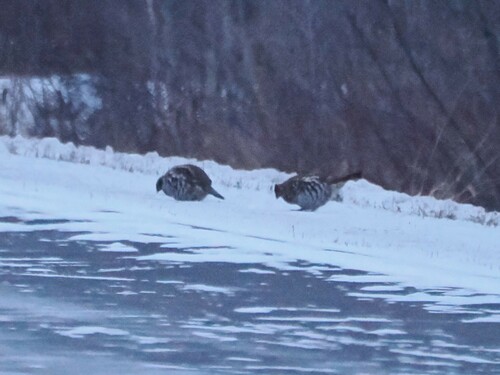 Ruffed Grouse
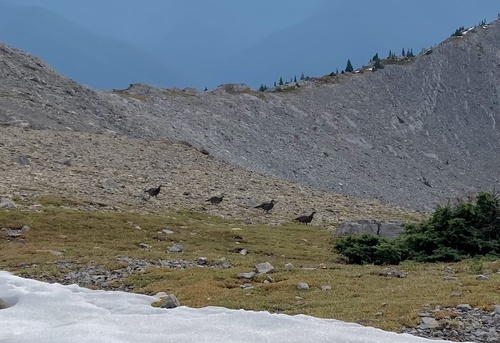 Dusky Grouse
In breve
Il segno di campo più affidabile per separare il Ruffed Grouse dal Dusky Grouse è il motivo della coda: il Ruffed Grouse mostra una larga banda subterminale nera vicino alla punta della coda, mentre il Dusky Grouse ha una coda lunga e quadrata con una punta grigia solida. I Ruffed Grouse sono più piccoli e tozzi, con una coda corta e arrotondata e una cresta folta, mentre i Dusky Grouse sono più grandi, con una coda più lunga e mancano della cresta prominente. Entrambe le specie possono essere complessivamente marroni, ma i Ruffed Grouse appaiono spesso più variegati e possono mostrare una morfologia grigia o marrone sorprendente, mentre le femmine di Dusky Grouse sono più uniformemente macchiate. In volo o quando vengono disturbati, i Ruffed Grouse esplodono rumorosamente dalla copertura, mentre i Dusky Grouse sono più propensi a volare via silenziosamente o allontanarsi. L'habitat è anche un forte indizio: i Ruffed Grouse preferiscono foreste decidue dense o miste, mentre i Dusky Grouse si trovano in boschi coniferi aperti e pendii montuosi.
Consigli di identificazione
- Il motivo della coda è fondamentale: il Ruffed Grouse mostra una larga banda subterminale nera (a volte interrotta nelle femmine), mentre il Dusky Grouse ha una coda lunga e quadrata con una punta grigia solida e senza banda nera. Questo è il segno di campo più affidabile in tutte le stagioni e età.
- Dimensione e forma: i Dusky Grouse sono molto più grandi e pesanti (fino al doppio della massa del Ruffed Grouse), con una coda più lunga e quadrata e una corporatura più robusta. I Ruffed Grouse sono compatti, di corpo rotondo e con coda corta.
- Cresta e collari: i Ruffed Grouse hanno una cresta folta sulla testa e collari prominenti (specialmente in mostra), presenti in entrambi i sessi. I Dusky Grouse mancano sia della cresta che dei collari.
- Morfologie del piumaggio: i Ruffed Grouse possono essere morfologie grigie o marroni, spesso con un aspetto variegato e barrato e una gola e un ventre più chiari. Le femmine di Dusky Grouse sono più uniformemente macchiate di marrone con segni scuri e bianchi sotto; i maschi sono più scuri e possono mostrare un sacco aereo di gola purpureo e un contorno bianco in mostra.
- Comportamento in volo: i Ruffed Grouse esplodono rumorosamente dalla copertura quando vengono disturbati, con un forte fruscio delle ali. I Dusky Grouse sono più propensi a volare via silenziosamente o allontanarsi.
- Mostra di tambureggiamento: solo i Ruffed Grouse tambureggiano, producendo un colpo basso e accelerato battendo le ali su un tronco o un tumulo. I Dusky Grouse non tambureggiano.
- Habitat: i Ruffed Grouse preferiscono foreste decidue dense e cespugliose o miste; i Dusky Grouse si trovano in foreste conifere aperte e pendii montuosi.
- Differenze sessuali: entrambi i sessi di Ruffed Grouse sono marcati e dimensionati in modo simile, ma i maschi tendono ad avere bande della coda non interrotte. I maschi di Dusky Grouse sono più grandi e più scuri, ma le differenze sessuali sono più pronunciate in mostra.
- Becco e testa: i Ruffed Grouse hanno un becco proporzionalmente più piccolo e una testa più rotonda con una cresta; i Dusky Grouse hanno un becco più grande e una corona più piatta.
- Parte inferiore: i Ruffed Grouse mostrano solitamente più barre bianche o chiare sul ventre e sui fianchi, specialmente nelle morfologie grigie; le femmine di Dusky Grouse sono più uniformemente macchiate sotto.
- Forma della coda in volo: i Ruffed Grouse mostrano una coda corta e arrotondata con una banda nera; i Dusky Grouse mostrano una coda lunga e quadrata con una punta grigia.
- Macchie delle piume del posteriore (in mano): le femmine di Ruffed Grouse hanno singoli punti bianchi sulle piume del posteriore, i maschi ne hanno multipli; non visibili sul campo ma possono aiutare se si maneggiano gli uccelli.
- Contesto stagionale: i Ruffed Grouse possono essere visti scavare nella neve in inverno; i Dusky Grouse sono più spesso visti in boschi aperti o appollaiati sugli alberi.
- Voce: se senti tambureggiare, è un Ruffed Grouse; i Dusky Grouse sono generalmente silenziosi o emettono soft hoots/booms non facilmente udibili.
- Sovrapposizione dell'areale: se sei nelle Montagne Rocciose in conifere aperte, aspettati di vedere il Dusky Grouse; nei Grandi Laghi, negli Appalachi o nei boschi misti settentrionali, aspettati il Ruffed Grouse.
Taglia
Il Dusky Grouse è significativamente più grande del Ruffed Grouse. Il Dusky Grouse pesa in media circa 1056 g [wikidata], con i maschi che raggiungono fino a 1,21 kg (2,67 lbs), rispetto ai Ruffed Grouse, che pesano 450–750 g (0,99–1,65 lbs) [wikipedia]. Il Dusky Grouse ha anche una coda più lunga e quadrata e un aspetto generalmente più robusto e lungo. I Ruffed Grouse sono più compatti, con ali e coda più corte, e appaiono più rotondi nel complesso.
Piumaggio
Il motivo della coda è il miglior separatore di piumaggio per tutte le età e i sessi: il Ruffed Grouse mostra una larga banda subterminale nera vicino alla punta della coda, con il resto della coda barrato di grigio-marrone o marrone, e la banda può essere interrotta nelle femmine. Il Dusky Grouse ha una coda lunga e quadrata con una punta grigia solida, priva della banda nera audace. I Ruffed Grouse presentano morfologie grigie e marroni, entrambe con un aspetto variegato e barrato e una gola e un ventre più chiari, mentre le femmine di Dusky Grouse sono più uniformemente macchiate di marrone con segni scuri e bianchi sotto. I maschi di Dusky Grouse sono molto più scuri nel complesso, specialmente in mostra, con un sacco aereo di gola purpureo e un contorno bianco, ma questi sono raramente visibili tranne durante il corteggiamento. I Ruffed Grouse di entrambi i sessi hanno una cresta folta e collari, che i Dusky Grouse mancano. I motivi delle ali superiori nei giovani e negli immaturi non sono descritti come diagnostici per nessuna delle due specie nelle fonti.
Comportamento
I Ruffed Grouse sono famosi per il loro esplosivo e rumoroso volo quando vengono spaventati, spesso esplodendo dalla copertura con un forte fruscio delle ali. Trascorrono molto tempo a terra e possono scavare nella neve in inverno. I Dusky Grouse sono più propensi ad allontanarsi o a volare via silenziosamente, e sono meno propensi a spaventare gli osservatori con un'improvvisa esplosione. I maschi di Ruffed Grouse si esibiscono tambureggiando le ali su un tronco o un posatoio elevato, producendo un colpo basso e accelerato. I maschi di Dusky Grouse si esibiscono con segnali visivi (sacchi aerei gonfi, wattles oculari) e non tambureggiano. Entrambe le specie sono per lo più terrestri, ma i Ruffed Grouse sono più riservati e criptici in copertura densa.
Habitat
I Ruffed Grouse si trovano in foreste decidue dense o miste, specialmente con pioppi, betulle o ontani, e sono diffusi in tutta la parte settentrionale del Nord America, compresi gli Appalachi, i Grandi Laghi e il Canada. I Dusky Grouse abitano foreste conifere aperte e pendii montuosi delle Montagne Rocciose, spesso a quote più elevate e in boschi più aperti e asciutti. Se vedi un gallo in boschi fitti e cespugliosi, è probabile che sia un Ruffed Grouse; in foreste aperte di pino o abete su un pendio montano, è più probabile che sia un Dusky Grouse.
Voce
I Ruffed Grouse sono unici tra i galli nordamericani per la loro mostra di tambureggiamento non vocale: una serie di battiti d'ala accelerati che creano un suono profondo e rimbombante, spesso udibile in primavera da lontano. I Dusky Grouse non tambureggiano; le loro esibizioni sono visive e possono includere soft hoots o suoni rimbombanti, ma questi sono raramente uditi da osservatori occasionali. Se senti tambureggiare, è un Ruffed Grouse.