

Voltapietre vs Black Turnstone
Arenaria interpres contro Arenaria melanocephala
Fai un quiz con Voltapietre e Black Turnstone
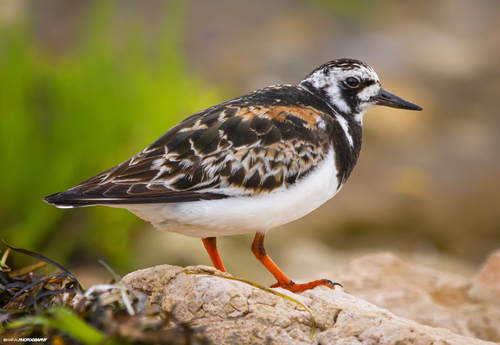 Voltapietre
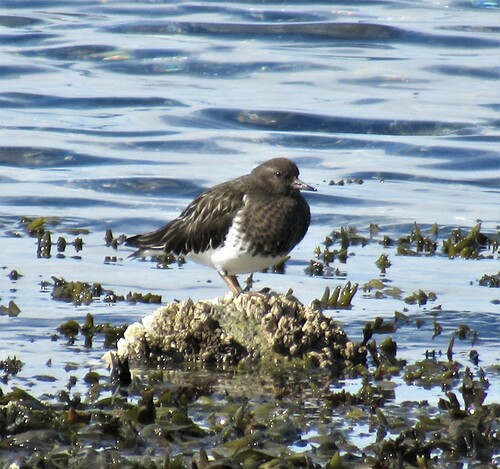 Black Turnstone
In breve
Il segno di campo più affidabile per separare il Voltapietre dal Black Turnstone è la presenza di parti superiori rugginose (marrone-rossiccio) nel Voltapietre, particolarmente evidente nei giovani e negli adulti in riproduzione, mentre il Black Turnstone è sempre marrone-nerastro sopra senza toni rugginosi. In volo, entrambi mostrano una banda alare bianca e una base della coda bianca, ma il Voltapietre ha una parte bassa bianca più ampia e più bianco sulla testa e sul petto, specialmente in abito nuziale. Il colore delle gambe è un controllo rapido: il Voltapietre ha gambe arancioni brillanti, mentre le gambe del Black Turnstone sono scure con solo una sfumatura rossastra. I giovani di entrambe le specie possono sembrare simili, ma i giovani Voltapietre sono più chiari e mostrano un motivo squamoso sopra, mentre i giovani Black Turnstone sono più marroni con frange color sabbia. La struttura e la voce offrono indizi secondari, ma il piumaggio e il colore delle gambe sono i più affidabili.
Consigli di identificazione
- Parti superiori rugginose (solo Voltapietre): Qualsiasi segno di marrone-rossiccio o rugginoso sulle parti superiori, specialmente sugli scapolari o sul mantello, indica Voltapietre. Il Black Turnstone è sempre marrone-nerastro sopra, mai rugginoso. Funziona per tutte le età tranne per gli uccelli molto usurati o sporchi.
- Colore delle gambe: Il Voltapietre ha gambe arancioni brillanti, visibili anche da lontano. Il Black Turnstone ha gambe scure con solo una leggera sfumatura rossastra, mai veramente arancioni. Questo è affidabile in tutte le stagioni e età.
- Motivo della testa e del petto (adulti in riproduzione): Il Voltapietre mostra una testa bianca con strisce nere e una banda nera audace sul petto, creando un aspetto di arlecchino. Il Black Turnstone ha una testa e un petto neri, con una macchia bianca tra l'occhio e il becco e un sopracciglio bianco, ma molto meno bianco in generale.
- Piumaggio giovanile/primo inverno: Il giovane Voltapietre è più chiaro e squamoso sopra, con toni marrone chiaro e alcune sfumature rugginose. Il giovane Black Turnstone è più marrone, con frange color sabbia ma senza rugginoso, e una punta della coda grigio-marrone. Cerca l'oscurità generale e la mancanza di rugginoso nel Black Turnstone.
- Motivo di volo: Entrambe le specie mostrano una banda alare bianca e bianco alla base della coda, ma il Voltapietre ha una parte bassa bianca più ampia e più estesa bianco sulla testa e sul petto. Il bianco del Black Turnstone è più ristretto, e la coda ha una larga banda nera.
- Forma e colore del becco: Entrambi hanno becchi neri corti e leggermente rivolti verso l'alto. La forma del becco non è un forte separatore, ma il becco del Black Turnstone può essere marginalmente più lungo e pesante.
- Adulti non in riproduzione: Il Voltapietre è più opaco ma mostra ancora un certo motivo e toni più chiari; il Black Turnstone rimane per lo più marrone-nero scuro con poco bianco sulla testa o sul petto.
- Voce: Il richiamo del Voltapietre è un staccato più duro e rattling; il trill del Black Turnstone è più alto e meno duro. Usa con cautela a meno che non sia familiare con entrambi.
- Habitat e distribuzione: Fuori dalla costa del Pacifico del Nord America, un turnstone è quasi certamente Voltapietre. Il Black Turnstone è strettamente pacifico, specialmente su coste rocciose e moli.
- Comportamento: Entrambi girano pietre e detriti, ma il Voltapietre è più probabile che venga visto su spiagge aperte e in una gamma più ampia di habitat costieri.
- Differenze sessuali: La femmina del Voltapietre è leggermente più opaca e marrone sulla testa rispetto al maschio, ma mostra ancora parti superiori rugginose. I sessi del Black Turnstone sono simili.
- Dimensioni: Non affidabile sul campo; entrambi sono simili in lunghezza e peso.
- Trappole: I Voltapietre usurati o sporchi possono sembrare più scuri e meno rugginosi, e il colore delle gambe può essere oscurato dal fango. I giovani Black Turnstone possono apparire più chiari in luce brillante ma non mostrano mai vere gambe rugginose o arancioni.
- Contesto stagionale: Durante la stagione di riproduzione, il Voltapietre è molto più decorato e colorato; in inverno, entrambi sono più opachi, quindi fai affidamento più sul colore delle gambe e su eventuali rugginosi rimanenti.
- Composizione del gruppo: I gruppi misti sono rari tranne che sulla costa del Pacifico; altrove, un gruppo di turnstones è quasi sempre tutto Voltapietre.
Taglia
Entrambe le specie sono simili in dimensioni, con il Voltapietre che misura 22–24 cm di lunghezza e pesa 85–150 g, e il Black Turnstone leggermente più grande a 22–25 cm e 100–170 g. Le loro aperture alari si sovrappongono (Voltapietre: 50–57 cm), e la lunghezza del becco è anche molto vicina (Voltapietre: 2–2.5 cm; Black: 2–2.7 cm). Sul campo, le dimensioni non sono un separatore affidabile.
Piumaggio
Gli uccelli giovani e non in riproduzione sono i più probabili da confondere. Giovane Voltapietre ha una testa e parti superiori marrone chiaro con frange chiare, dando un aspetto squamoso, e alcune sfumature rugginose possono essere visibili. Giovane Black Turnstone è complessivamente più marrone, con frange color sabbia sugli alari e scapolari, ma manca di qualsiasi tono rugginoso o rossastro e ha una punta della coda grigio-marrone. In volo, entrambi mostrano una banda alare bianca e bianco alla base della coda, ma il Voltapietre ha una parte bassa bianca più ampia e più bianco sulla testa e sul petto. Adulto in riproduzione Voltapietre è straordinario con un motivo di arlecchino: testa bianca con strisce nere, banda nera audace sul petto e ricche parti superiori rugginose. Adulto in riproduzione Black Turnstone è molto più scuro: testa e petto neri con una macchia bianca tra l'occhio e il becco, sopracciglio bianco e macchie bianche sui lati del petto. Adulti non in riproduzione di entrambi sono più opachi, ma il Voltapietre mantiene un certo motivo e toni più chiari, mentre il Black Turnstone rimane per lo più marrone-nero scuro. Colore delle gambe è una differenza costante: le gambe del Voltapietre sono arancioni brillanti, quelle del Black Turnstone sono scure con una sfumatura rossastra.
Comportamento
Entrambe le specie si nutrono girando pietre e detriti con i loro becchi, ma il Voltapietre è più probabile che venga visto a girare e bulldozare alghe o pietre in una varietà di habitat costieri in tutto il mondo. Il Black Turnstone utilizza metodi simili ma è più ristretto alle coste rocciose del Pacifico. Il comportamento sociale è simile, ma il Voltapietre può mostrare una postura più aggressiva, specialmente tra gli adulti.
Habitat
Il Voltapietre è cosmopolita, trovato sulle coste quasi in tutto il mondo durante la migrazione e l'inverno, comprese spiagge sabbiose e rocciose, fanghi e persino strutture artificiali. Il Black Turnstone è strettamente un uccello della costa del Pacifico del Nord America, nidificando nell'Alaska occidentale e svernando a sud fino alla Baja California, preferendo coste rocciose, moli e frangiflutti. Se non sei sulla costa del Pacifico, un turnstone è quasi certamente Voltapietre.
Voce
Entrambe le specie hanno richiami rattling, ma il trill del Black Turnstone è più acuto e meno duro rispetto a quello del Voltapietre. Il richiamo del Voltapietre è descritto come staccato e chiacchierante, specialmente nella stagione di riproduzione. Il Black Turnstone emette anche un forte allarme stridulo e un morbido richiamo di ronron per i pulcini, e i maschi si esibiscono con note lunghe e staccate in volo. La voce è sottile e meglio utilizzata in combinazione con segni visivi.