

Ruddy-breasted Crake vs Falco pecchiaiolo orientale
Zapornia fusca contro Pernis ptilorhynchus
Fai un quiz con Ruddy-breasted Crake e Falco pecchiaiolo orientale
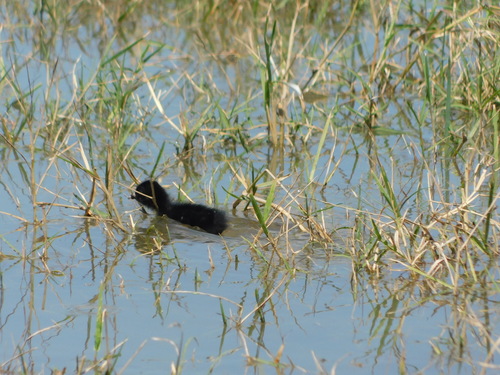 Ruddy-breasted Crake
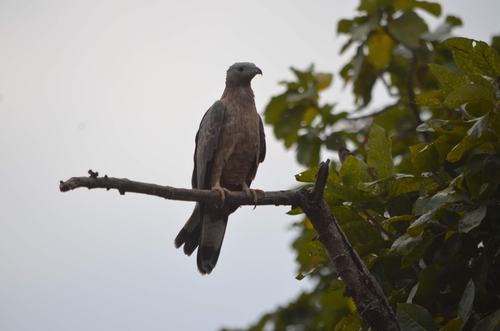 Falco pecchiaiolo orientale
In breve
Il segno distintivo più affidabile per separare il Ruddy-breasted Crake dal Falco pecchiaiolo orientale è la struttura e la dimensione complessive: il crake è una piccola gallinella appiattita lateralmente con una coda corta e lunghe dita, mentre il falco pecchiaiolo è un grande rapace con ali lunghe, una testa simile a quella di un piccione e una coda lunga. In volo, il falco pecchiaiolo mostra ali ampie con bande distintive sulla coda e sotto le ali (soprattutto nei giovani e nelle femmine), mentre il crake è raramente visto volare e manca di un qualsiasi schema di ali simile a quello dei rapaci. I crakes giovani sono di colore marrone scuro con macchie bianche, mentre i falchi pecchiaioli giovani hanno ampie aree nere sulle punte delle ali e bande variabili. L'habitat e il comportamento sono anche diagnostici: i crakes si nascondono nella vegetazione densa delle paludi, mentre i falchi pecchiaioli planano o si posano in boschi aperti o ai margini delle foreste. Anche a distanza, la differenza in dimensione, struttura e contesto è inconfondibile.
Consigli di identificazione
- Size and Structure: Il crake è piccolo (22–23 cm, 60 g), con un corpo compresso lateralmente, coda corta e lunghe dita. Il falco pecchiaiolo è enorme (57–60 cm, 750–1,490 g), con ali lunghe, una coda lunga e una testa piccola simile a quella di un piccione. Anche a distanza, la differenza è drammatica.
- Flight Jizz: Il crake vola debolmente e basso, scendendo rapidamente in copertura; il falco pecchiaiolo planano o scivola con battiti d'ali lenti e profondi e ali ampie. Se vedi un uccello che gira in alto o scivola per lunghe distanze, non è un crake.
- Juvenile Wing Pattern: I falchi pecchiaioli giovani hanno ampie aree nere sulle punte primarie e molteplici bande sotto le ali e sulla coda; i crakes giovani sono di un marrone scuro uniforme con macchie bianche e nessuna banda.
- Adult Plumage: I crakes adulti sono castani sotto e marroni chiari sopra, con bande bianche sui fianchi e sotto la coda e un becco giallastro; i falchi pecchiaioli adulti sono marroni sopra, più chiari sotto, con una striscia scura sulla gola, e mostrano sempre bande audaci sulla coda e sotto le ali.
- Head and Bill: Il crake ha un becco corto e giallastro e occhi rossi; il falco pecchiaiolo ha una testa piccola simile a quella di un piccione, cere gialle e il colore dell'iride che varia a seconda del sesso (marrone nei maschi, giallo nelle femmine).
- Tail: La coda del crake è corta e non ha bande; la coda del falco pecchiaiolo è lunga e mostra due o tre bande scure a seconda del sesso.
- Legs and Feet: Il crake ha lunghe dita e gambe rosse, adattate per camminare su vegetazione galleggiante; il falco pecchiaiolo ha piedi tipici dei rapaci, non adattati per camminare su canne.
- Habitat: Il crake si trova sempre in paludi dense e umide o canneti; il falco pecchiaiolo si trova in boschi aperti, ai margini delle foreste, o planando in alto. Il contesto è un forte indizio.
- Behavior: Il crake è segreto e furtivo, raramente visto in aperto; il falco pecchiaiolo è spesso evidente quando planano o si posano sugli alberi.
- Sex Differences: Solo il falco pecchiaiolo mostra dimorfismo sessuale nel piumaggio (colore della testa e iride); i sessi del crake sono simili.
- Vocalization: Non è diagnostico dai suoni, ma il crake è più propenso a chiamare da un nascondiglio, mentre il falco pecchiaiolo è generalmente silenzioso tranne durante la migrazione.
- Seasonal Movement: Il crake è per lo più residente con alcune migrazioni locali; il falco pecchiaiolo è un migratore a lungo raggio, spesso visto in stormi migratori.
- Pitfalls: I falchi pecchiaioli giovani possono imitare altri rapaci ma non assomigliano mai a un crake; i crakes giovani non hanno mai bande o aspetto da rapace.
- Perched Posture: Il crake si posa basso o a terra, spesso nascosto; il falco pecchiaiolo si posa in alto e dritto sugli alberi.
- If in Doubt: Se l'uccello è visto in una palude, è piccolo e si nasconde, è un crake. Se sta planando, è grande e ha bande, è un falco pecchiaiolo.
Taglia
Il Ruddy-breasted Crake è un uccello piccolo, lungo circa 22–23 cm e pesante circa 60 g [wikidata]. Al contrario, il Falco pecchiaiolo orientale è un grande rapace, lungo 57–60 cm e pesante 750–1,490 g [wikipedia]. Il falco pecchiaiolo è quasi tre volte più lungo e oltre dieci volte più pesante del crake. Anche a distanza, il crake appare piccolo e compatto, mentre il falco pecchiaiolo è grande e imponente, con ali e coda lunghe.
Piumaggio
Le piume giovanili e immature sono più propense a causare confusione in un quiz, quindi inizia da lì:
- Juvenile Ruddy-breasted Crake: Marrone scuro in generale con alcune macchie bianche. Nessuna banda o schema di ali simile a quello dei rapaci. Le parti inferiori non sono barrate o striate, e l'uccello è uniformemente scuro tranne per le macchie.
-
Juvenile Falco pecchiaiolo orientale: Mostra ampie aree nere sulle punte primarie e bande sotto le ali più strette. La coda ha più bande scure (tre nelle femmine, due nei maschi), e sotto le ali ci sono tre o quattro bande scure a seconda del sesso. La testa è piccola e simile a quella di un piccione, con una cere gialla e iride scura. Il modello generale del giovane è altamente variabile ma include sempre alcune bande e contrasto sulle ali e sulla coda.
-
Adult Ruddy-breasted Crake: Testa e parti inferiori castane, dorso marrone chiaro, bande bianche sui fianchi e sotto la coda, becco giallastro, occhi e gambe rossi. Nessun segno o banda simile a quello dei rapaci.
- Adult Falco pecchiaiolo orientale: Marrone sopra, più chiaro sotto, con una striscia scura sulla gola. I maschi hanno teste blu-grigie e iridi marroni, le femmine hanno teste marroni e iridi gialle. Entrambi i sessi mostrano bande audaci sulla coda e sotto le ali, con la femmina che mostra più bande del maschio. La testa è piccola e priva di una forte cresta sopra l'occhio, dando un aspetto gentile e simile a quello di un piccione.
In tutte le età, il crake non ha alcuna banda o schema simile a quello dei rapaci, mentre il falco pecchiaiolo mostra sempre un certo grado di bande e contrasto nelle ali e nella coda.
Comportamento
Il Ruddy-breasted Crake è un uccello segreto e furtivo delle paludi che si nutre sondando il fango o l'acqua bassa, spesso nascondendosi nella vegetazione densa e raramente volando in aperto. Quando viene disturbato, il suo volo è debole e basso, scendendo rapidamente di nuovo in copertura. Al contrario, il Falco pecchiaiolo orientale è un rapace in volo, spesso visto scivolare o girare in alto sopra le foreste o posarsi in modo prominente sugli alberi. Si nutre principalmente di larve di api e vespe, a volte razziando nidi a terra, ma è molto più evidente in volo e quando si posa rispetto al crake. Il crake è territoriale ma timido, mentre il falco pecchiaiolo è poco evidente tranne durante la migrazione, quando può essere visto in numero.
Habitat
Il Ruddy-breasted Crake è strettamente una specie di zone umide, trovata in paludi, acquitrini e canneti densi in tutta l'Asia meridionale e orientale. Nida e si nutre in vegetazione densa e cespugliosa vicino all'acqua, avventurandosi raramente in terreno aperto. Il Falco pecchiaiolo orientale, d'altra parte, preferisce boschi aperti, margini forestali e talvolta piantagioni, ed è raramente trovato in paludi dense. La sua presenza in campagna aperta, planando sopra gli alberi o posandosi in alberi alti, è un forte indizio. Se l'uccello è visto in una palude o in un canneto, è quasi certamente un crake; se in un bosco o planando in alto, è un falco pecchiaiolo.
Ruddy-breasted Crake · Falco pecchiaiolo orientale · I miei uccelli difficili