

Calandro maggiore vs Long-billed Pipit
Anthus richardi contro Anthus similis
Fai un quiz con Calandro maggiore e Long-billed Pipit
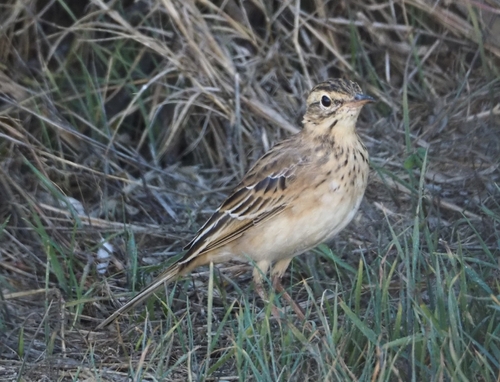 Calandro maggiore
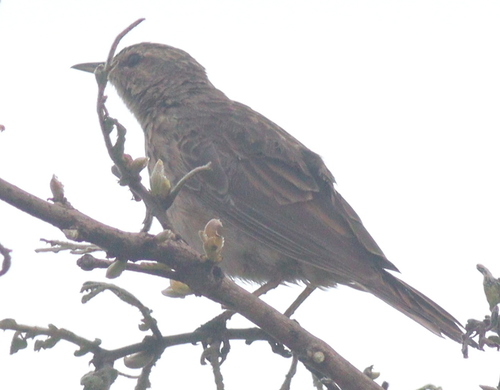 Long-billed Pipit
In breve
Il Calandro maggiore e il Long-billed Pipit sono entrambi grandi pipit eretti con un piumaggio sabbioso-marrone simile, ma il Calandro maggiore è generalmente più grande e più snello, con un artiglio posteriore più lungo e dritto e una postura più eretta. I segni di campo più affidabili sono strutturali: il Calandro maggiore ha una coda più lunga, zampe più lunghe e un becco più lungo e leggermente ricurvo con una base giallastra per la mandibola inferiore, mentre il Long-billed Pipit è leggermente più piccolo e tozzo con un becco lungo e scuro. In volo, entrambe le specie mostrano un movimento forte e diretto, ma il Calandro maggiore tende a sembrare più allungato. Le differenze nel piumaggio sono sottili e variabili, ma il Calandro maggiore mostra spesso segni facciali più prominenti e due barre alari chiare. I richiami e l'habitat possono aiutare: il Calandro maggiore emette un 'shreep' aspro, mentre il 'chupp' del Long-billed Pipit è più morbido e simile a quello di un allodola.
Consigli di identificazione
- Structure is key: Il Calandro maggiore ha zampe più lunghe, coda più lunga e postura più eretta rispetto al Long-billed Pipit. Cerca l'aspetto complessivo allungato e snello e la postura eretta nel Calandro, rispetto al Long-billed più tozzo e meno eretto.
- Bill shape and color: Il Calandro maggiore ha un becco lungo e leggermente ricurvo con una base giallastra per la mandibola inferiore; il Long-billed Pipit ha un becco lungo e scuro che è meno ricurvo e privo della base giallastra. Questo è meglio visibile da vicino o in buona luce.
- Hindclaw: Il Calandro maggiore ha un artiglio posteriore lungo e abbastanza dritto, mentre quello del Long-billed Pipit non è descritto come distintivo. Se vedi bene l'artiglio posteriore, questo può essere un segnale decisivo per il Calandro.
- Facial pattern: Il Calandro maggiore mostra un forte supercilium e lore chiari, con una striscia oculare scura, strisce moustachial e malar, dando un volto più marcato. Il Long-billed Pipit ha un volto più semplice con meno contrasto.
- Wingbars: Il Calandro maggiore mostra tipicamente due barre alari chiare (dai toni chiari alle copritrici alari), che sono meno prominenti o assenti nel Long-billed Pipit. Questo è sottile ma può aiutare negli uccelli posati.
- Tail pattern: Il Calandro maggiore ha una coda lunga con piume esterne bianche, che possono essere visibili in volo o quando la coda è scossa. Il Long-billed Pipit ha una coda lunga ma meno bianca sulle piume esterne.
- Plumage tone: Il Calandro maggiore è marrone sopra con striature scure, mentre il Long-billed Pipit è grigio sabbioso sopra e più chiaro sotto. La differenza è sottile e variabile, ma il Calandro potrebbe apparire più nettamente striato, specialmente sul petto.
- Flight style: Il Calandro maggiore ha un volo forte e ondulato, spesso con un aspetto più allungato. Il volo del Long-billed Pipit è forte e diretto ma può apparire meno ondulato.
- Call: Il 'shreep' del Calandro maggiore è forte, aspro ed esplosivo; il 'chupp' del Long-billed Pipit è più morbido, più simile a quello di un allodola. I richiami sono spesso il miglior indizio se l'uccello non è visto bene.
- Song: Il canto del Calandro maggiore è una serie monotona di note ronzanti; il canto del Long-billed Pipit è più lento e più vario ('sri...churr...').
- Habitat: Nelle aree sovrapposte, il Calandro maggiore preferisce praterie umide e aperte e campi coltivati, mentre il Long-billed Pipit è più spesso in pendii asciutti e rocciosi con vegetazione rada.
- Posture: Il Calandro maggiore sta molto eretto, spesso apparendo all'erta e alto; il Long-billed Pipit è meno eretto e può apparire più rilassato.
- Season and context: Il Calandro maggiore è un migratore a lungo raggio e può apparire come un vagabondo in Europa in autunno e inverno, specialmente sulle coste e nelle isole. Il Long-billed Pipit è per lo più residente o un migratore a breve distanza.
- Group size: Entrambe le specie sono solitamente viste da sole o in piccoli gruppi, quindi questo non è un forte separatore.
- Juvenile/immature plumage: Non sono descritti segni distintivi specifici per l'età per queste due specie, quindi concentrati sulla struttura e sulle sottili differenze nel piumaggio per tutte le età.
Taglia
Il Calandro maggiore è il più grande dei due, misurando 17–20 cm di lunghezza e pesando 25–36 g (nessuna massa AVONET disponibile), con un'apertura alare di 29–33 cm. Il Long-billed Pipit è leggermente più piccolo a 16–17,5 cm e 23 g (wikidata), con un aspetto complessivo leggermente più corto. Sul campo, il Calandro maggiore appare più allungato e eretto, con zampe e coda più lunghe, mentre il Long-billed Pipit è un po' più compatto e meno eretto. Queste differenze sono sottili e meglio apprezzate con un confronto diretto o esperienza.
Piumaggio
Non sono descritti segni specifici per l'età per il piumaggio o il modello di volo per nessuna delle due specie, quindi ci si concentra sul piumaggio adulto e generale. Il Calandro maggiore è marrone sopra con striature scure sulle parti superiori e sul petto, parti inferiori chiare e due barre alari chiare formate dalle punte delle copritrici alari. Il suo volto è fortemente marcato con un supercilium e lore chiari, e una striscia oculare scura, strisce moustachial e malar. La coda è lunga con piume esterne bianche. Il Long-billed Pipit è grigio sabbioso sopra e biancastro o chiaro sotto, con segni facciali meno prominenti e barre alari meno evidenti. Entrambe le specie sono piuttosto semplici a terra, ma il Calandro maggiore tende a sembrare più nettamente marcato, specialmente nel volto. Esiste una variazione sottospecifica in entrambe, ma non è affidabilmente diagnostica sul campo.
Comportamento
Il Calandro maggiore spesso sta molto eretto ed è frequentemente visto da solo o in piccoli gruppi in aree aperte e pianeggianti. Il suo volo è forte e ondulato, e a volte compie brevi voli per catturare insetti. Il Long-billed Pipit è visto anche in aree aperte ma preferisce pendii asciutti e rocciosi con vegetazione bassa, e il suo volo è forte e diretto. Entrambe le specie cercano insetti e semi a terra, ma il Calandro maggiore può apparire più all'erta e eretto, mentre il Long-billed Pipit è meno così.
Habitat
Il Calandro maggiore nidifica in praterie aperte, steppa e pianure coltivate, specialmente in aree umide e fertili, ed è un migratore a lungo raggio, svernando nel subcontinente indiano e nel sud-est asiatico. È un vagabondo raro ma regolare in Europa, specialmente in promontori costieri e isole. Il Long-billed Pipit è più residente o un migratore a breve distanza, con un ampio raggio in Africa, Arabia e Sud Asia, favorendo pendii asciutti e aperti con rocce e vegetazione rada. Nelle regioni sovrapposte, il Calandro maggiore è più probabile che si trovi in praterie lussureggianti e pianeggianti, mentre il Long-billed Pipit preferisce terreni più asciutti e rocciosi.
Voce
Il Calandro maggiore emette un forte, aspro ed esplosivo richiamo 'shreep', che ricorda un Passero domestico, e il suo canto è una serie di note ronzanti monotone emesse in volo di canto ondulato. Il Long-billed Pipit emette un richiamo 'chupp' più morbido, simile a quello di un allodola, e un canto più lento e vario ("sri...churr...sri...churr"). I richiami sono un utile indizio sul campo, specialmente se l'uccello non è visto bene.
Calandro maggiore · Long-billed Pipit · I miei uccelli difficili