
Redhead vs Moriglione
Aythya americana contro Aythya ferina
Fai un quiz con Redhead e Moriglione
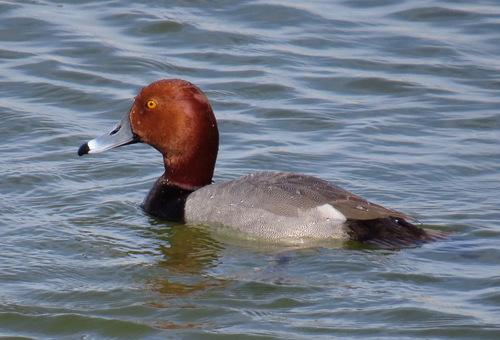 Redhead
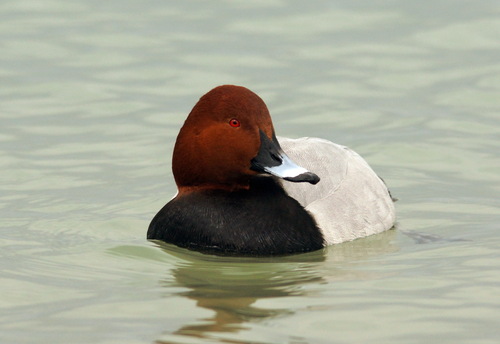 Moriglione
In breve
Il segno di campo più affidabile per separare il Redhead dal Moriglione è il colore degli occhi nei maschi adulti: i maschi di Redhead hanno occhi gialli brillanti, mentre i maschi di Moriglione mostrano iridi arancio-rossastre a rosse durante la stagione di riproduzione. Entrambe le specie sono anatre tuffatrici di dimensioni medie con teste castanee simili e petti neri, ma i maschi di Redhead hanno una testa più arrotondata e un becco più corto, mentre i maschi di Moriglione mostrano una fronte inclinata e un becco più lungo. Gli uccelli femmina e immaturi sono molto più difficili da distinguere, ma sottili differenze nella forma della testa e nel motivo del becco possono aiutare. In volo o da lontano, il colore del dorso e l'aspetto generale possono offrire indizi di supporto, ma attenzione alla sovrapposizione e alla variazione stagionale.
Consigli di identificazione
- Il colore degli occhi dei maschi adulti è il segno di campo migliore: i maschi di Redhead hanno occhi gialli brillanti; i maschi di Moriglione mostrano iridi arancio-rosse, specialmente durante la stagione di riproduzione. Questo è visibile a distanza moderata in buona luce.
- La forma della testa è un forte indizio strutturale: i maschi e le femmine di Redhead hanno un profilo della testa distintamente arrotondato, mentre il Moriglione mostra una fronte inclinata e una testa più angolare. Questo è più evidente di profilo o quando gli uccelli sono all'erta.
- Forma e motivo del becco: il Redhead ha un becco più corto e triangolare con una base blu pallido, un sottile anello nero e una punta nera. Il becco del Moriglione è più lungo, con una larga banda blu-grigia al centro e una punta più scura, ma manca del sottile anello nero.
- Colore del dorso e del corpo: i maschi di Redhead hanno un dorso e lati grigi uniformi; i maschi di Moriglione hanno un corpo grigio più chiaro con fini vermicolazioni (sottile punteggiatura), anche se questo può essere difficile da vedere a distanza.
- La separazione delle femmine è sottile: entrambe sono marroni con facce chiare, ma le femmine di Redhead tendono a sembrare più calde e più uniformi, con una testa più arrotondata e un becco più corto. Le femmine di Moriglione possono mostrare una guancia leggermente più chiara e una fronte più inclinata.
- I maschi non in riproduzione possono essere confusi: i maschi di Redhead perdono la testa ramata e diventano più marroni, facendoli somigliare a femmine e femmine di Moriglione. Usa la forma della testa e il motivo del becco come segni di riserva.
- Colore dell'iride nelle femmine e negli immaturi: le femmine di Redhead hanno occhi giallastri, mentre le femmine e i giovani di Moriglione hanno occhi marroni a giallo-marroni (o giallo-oliva nei giovani). Questo è sottile e non sempre affidabile.
- Coda e groppa: entrambe le specie hanno code e gropponi neri nei maschi, non un forte separatore.
- Volo e stormi: non è descritto alcun motivo distintivo dell'ala superiore per entrambe le specie, quindi le osservazioni in volo si basano sulla forma generale e sul profilo della testa/becco.
- Habitat e distribuzione: se visto in Nord America, il Redhead è di gran lunga più probabile; in Eurasia, il Moriglione domina. Considera entrambe le specie solo dove è possibile la vaganza o gli uccelli in cattività.
- Voce: non è diagnostica per la separazione sul campo secondo le note disponibili.
- Attenzione agli ibridi e al piumaggio di eclissi: entrambe le specie possono ibridarsi con altre anatre Aythya, e i maschi in eclissi (mutazione) possono essere molto grigi. Controlla sempre più caratteristiche.
- Effetti stagionali: il colore degli occhi nei maschi di Moriglione si intensifica durante la stagione di riproduzione; l'occhio del maschio di Redhead rimane giallo tutto l'anno.
- Indizi contestuali: il Redhead spesso migra in coppie, mentre il Moriglione è più probabile che si trovi in stormi di singola specie in Eurasia.
- Quando hai dubbi: dai priorità al colore degli occhi e alla forma della testa, poi al motivo del becco. Se questi sono ambigui, la separazione potrebbe non essere possibile senza migliori visuali.
Taglia
Entrambe le specie sono molto simili in dimensioni e massa, con il Redhead che pesa in media circa 1045 g [wikidata]. La lunghezza del Redhead è di 40–56 cm (16–22 in) con un'apertura alare di 74–84 cm (29–33 in), mentre il Moriglione è lungo 42–49 cm (17–19 in) con un'apertura alare di 72–82 cm (28–32 in) [wikipedia]. Qualsiasi differenza di dimensione è trascurabile sul campo, e entrambe appaiono come anatre tuffatrici robuste e di dimensioni medie.
Piumaggio
Non è descritto alcun motivo distintivo dell'ala superiore per i giovani o gli immaturi di entrambe le specie, quindi ci si concentra sulla testa, sul becco e sulla colorazione del corpo.
-
Maschi adulti (riproduzione): i maschi di Redhead mostrano una ricca testa ramata, occhi gialli, becco blu pallido con una punta nera e un sottile anello nero, dorso grigio, petto nero e pancia bianca. I maschi di Moriglione hanno una testa castanea (leggermente meno ramata), occhi rossi a arancio-rossi, un becco grigio scuro con una larga banda blu-grigia, corpo grigio chiaro con fini vermicolazioni e petto e coda neri.
-
Femmine: entrambe sono marroni e simili nel complesso, ma le femmine di Redhead hanno una testa più arrotondata e un becco più corto, mentre le femmine di Moriglione hanno una fronte inclinata e un becco più lungo. Il colore degli occhi è marrone in entrambe, ma quello del Moriglione può essere giallo-marrone.
-
Immaturi/Giovani: non sono notate differenze dettagliate nel motivo delle ali o del corpo per queste età; il colore dell'iride nei giovani di Moriglione è giallo-oliva, diventando adulto entro il primo inverno.
-
Maschi non in riproduzione: i maschi di Redhead perdono il tono ramato e diventano con testa più marrone, somigliando ulteriormente alle femmine e rendendo la separazione più difficile.
Comportamento
Entrambe le specie sono anatre tuffatrici, spesso viste in stormi misti su acque aperte. Il Redhead tende a migrare in coppie, mentre gli uccelli non accoppiati formano 'feste di corteggiamento.' Non è evidenziata alcuna differenza comportamentale specifica utile per la separazione sul campo tra queste due specie.
Habitat
Il Redhead è una specie nordamericana, mentre il Moriglione è paleartico, quindi la sovrapposizione è rara tranne che in caso di vaganza o cattività. Entrambi preferiscono laghi e grandi corpi d'acqua. Nelle aree in cui entrambe le specie potrebbero verificarsi, la scelta dell'habitat non è un separatore affidabile.