
Red-shouldered Hawk vs Broad-winged Hawk
Buteo lineatus contro Buteo platypterus
Fai un quiz con Red-shouldered Hawk e Broad-winged Hawk
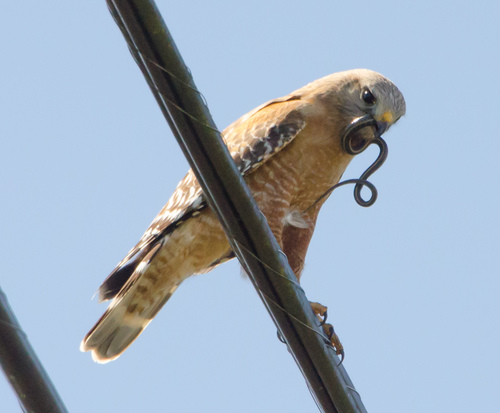 Red-shouldered Hawk
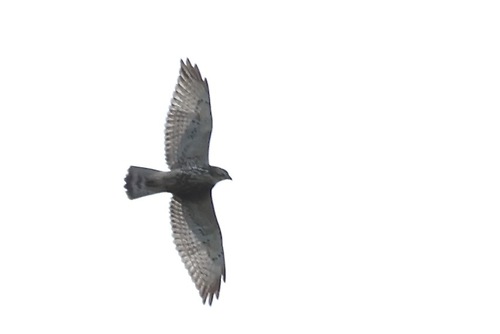 Broad-winged Hawk
In breve
I giovani Red-shouldered e Broad-winged Hawks vengono spesso confusi in volo, ma possono essere distinti dalla lunghezza della coda e dalla forma delle ali: il Red-shouldered mostra una coda visibilmente più lunga e marcature chiare a forma di mezzaluna più pronunciate nelle primarie, mentre il Broad-winged ha una coda più corta e squadrata e ali più larghe e appuntite. Gli adulti sono più facili da distinguere: i Red-shouldered Hawks hanno una ricca barratura ruggine sul petto e una macchia 'spalla' rossa calda, mentre i Broad-winged Hawks mostrano un ventre bianco pulito con barrature orizzontali e mancano delle tonalità ruggine. Anche la struttura è fondamentale: il Red-shouldered è più slanciato con ali e coda più lunghe, mentre il Broad-winged è compatto e ha ali larghe. Entrambi possono sovrapporsi in gamma e stagione, specialmente durante la migrazione, quindi prestare attenzione a questi dettagli è essenziale.
Consigli di identificazione
- Lunghezza e forma della coda dei giovani: In volo, i giovani Red-shouldered Hawks mostrano una coda visibilmente più lunga e arrotondata con molteplici bande bianche strette; i giovani Broad-winged hanno una coda più corta e squadrata con meno bande bianche più larghe. Questo è spesso il modo più veloce per separarli in volo.
- Mezzaluna chiara nelle primarie (giovani e adulti Red-shouldered): Cerca mezzalune chiare traslucide vicino alle punte delle ali (primarie) dal basso: queste sono presenti nei Red-shouldered di tutte le età ma assenti nei Broad-winged.
- Forma dell'ala: I Broad-winged Hawks hanno ali più corte e larghe con un aspetto più appuntito/affusolato, dando loro un aspetto compatto; i Red-shouldered Hawks hanno ali più lunghe e strette per le loro dimensioni, contribuendo a un aspetto più slanciato.
- Colore del petto degli adulti: Gli adulti Red-shouldered Hawks hanno un petto ruggine ricco con fine barratura rossastra, mentre gli adulti Broad-winged hanno un ventre e un petto bianchi puliti con barrature orizzontali marroni.
- Macchia 'spalla': Solo i Red-shouldered Hawks mostrano una prominente macchia ruggine sulle copritrici superiori dell'ala (la 'spalla'), visibile quando sono posati e a volte in volo. Il Broad-winged manca di questo segno.
- Barrature della coda (adulto): Gli adulti Broad-winged Hawks hanno 2–3 bande bianche larghe sulla coda (alla base, alla punta, a volte in mezzo), mentre il Red-shouldered ha barre bianche più numerose e strette.
- Schema dell'ala inferiore: I Red-shouldered Hawks (di tutte le età) mostrano ali più pesantemente barrate sopra e sotto, mentre il Broad-winged ha meno barrature e manca delle mezzalune chiare.
- Stile di volo: I Red-shouldered Hawks battono le ali più frequentemente e con un volo più scattante, simile agli Accipiter; il Broad-winged tende a planare più stabilmente con meno battiti d'ali.
- Struttura in posizione: Il Red-shouldered appare con una coda più lunga e più eretta; il Broad-winged è compatto, con coda corta e spesso appare curvo.
- Colore delle gambe: I Red-shouldered Hawks hanno gambe lunghe e gialle brillanti; questo è meno evidente nel Broad-winged a causa dei loro tarsi più corti.
- Variazione regionale: I Red-shouldered Hawks occidentali sono più ruggine nel complesso; gli uccelli della Florida sono più chiari. Il Broad-winged ha rare forme scure, ma queste sono molto meno probabili da confondere con il Red-shouldered a causa dell'oscurità complessiva e della mancanza di ruggine.
- Contesto stagionale: Se visti in inverno negli Stati Uniti (fuori dalla Florida o dai Caraibi), il Broad-winged è molto improbabile: la maggior parte migra a sud. Il Red-shouldered è residente in gran parte del suo areale.
- Contesto migratorio: Grandi stormi (kettles) in migrazione sono quasi sempre Broad-winged Hawks; il Red-shouldered migra singolarmente o in piccoli gruppi.
- Habitat: Il Red-shouldered preferisce le zone umide boschive e le aree ripariali; il Broad-winged si trova più spesso in foreste decidue o miste in altura.
- Trappole: I giovani Red-shouldered possono essere confusi con i giovani Broad-winged, ma controlla sempre la lunghezza della coda, le mezzalune delle ali e la struttura generale. Il piumaggio adulto è molto più distintivo tra i due.
Taglia
Il Red-shouldered Hawk è visibilmente più grande e proporzionato rispetto al Broad-winged Hawk. La massa corporea media per il Red-shouldered è di circa 625,5 g, mentre il Broad-winged è più leggero (265–560 g). Il Red-shouldered è anche più lungo (maschi 38–58 cm, femmine fino a 61 cm) con un'apertura alare di 90–127 cm, rispetto alla lunghezza di 32–44 cm e all'apertura alare di 74–100 cm del Broad-winged. La coda del Red-shouldered è particolarmente più lunga (16–24 cm rispetto ai 14,5–19 cm del Broad-winged), e il suo tarso è più lungo. Sul campo, il Red-shouldered appare più slanciato e allungato, mentre il Broad-winged è compatto e robusto.
Piumaggio
Per i giovani e gli immaturi, concentrati sul modello di coda e ali in volo: i Red-shouldered Hawks hanno una coda più lunga e pesantemente barrata e mostrano mezzalune chiare traslucide vicino alle punte delle ali (soprattutto visibili dal basso), mentre i Broad-winged Hawks hanno una coda più corta e squadrata con meno bande bianche più larghe e mancano delle forti mezzalune chiare. I giovani Red-shouldered sono più striati sotto, mentre i giovani Broad-winged sono più chiari con striature verticali più pronunciate e meno ruggine. Gli adulti Red-shouldered Hawks si distinguono per la loro ricca barratura rossastra sul petto, il ventre chiaro con barre rossastre e una prominente macchia ruggine 'spalla' visibile quando sono posati. Le loro parti superiori sono scure con macchie chiare, e le ali sono pesantemente barrate sopra. Gli adulti Broad-winged Hawks, al contrario, hanno un dorso marrone scuro, un ventre e un petto bianchi puliti con barrature orizzontali, e una coda con 2–3 bande bianche larghe (una alla base, una alla punta e a volte una in mezzo). Mancano delle tonalità ruggine e della macchia 'spalla' del Red-shouldered. I Broad-winged Hawks di forma scura sono rari e molto più scuri nel complesso, ma mancano comunque delle tonalità ruggine e delle mezzalune chiare nelle ali.
Comportamento
I Red-shouldered Hawks battono spesso le ali di più in volo, con uno stile che ricorda gli Accipiter, e possono essere visti planare o scivolare ma con battiti d'ali più frequenti. I Broad-winged Hawks sono più propensi a planare stabilmente e sono famosi per migrare in grandi stormi (kettles), specialmente in autunno. I Red-shouldered Hawks sono solitamente solitari o in piccoli gruppi, anche durante la migrazione. Quando sono posati, il Red-shouldered si siede più eretto e appare con una coda più lunga, mentre il Broad-winged appare più compatto e curvo.
Habitat
Entrambe le specie si sovrappongono nell'est del Nord America, specialmente durante la migrazione. I Red-shouldered Hawks preferiscono foreste mature vicino all'acqua, paludi boschive e corridoi ripariali, e sono residenti tutto l'anno in gran parte del loro areale tranne che nel nord estremo. I Broad-winged Hawks nidificano in foreste decidue o miste, spesso lontano dall'acqua, e sono altamente migratori: la maggior parte lascia il Nord America per il Centro e il Sud America in inverno. Il Broad-winged è meno probabile che venga trovato in inverno negli Stati Uniti, tranne che nel sud estremo o nei Caraibi. Durante la migrazione, il Broad-winged è più probabile che venga visto in aree aperte e nei siti di osservazione dei falchi.
Red-shouldered Hawk · Broad-winged Hawk · I miei uccelli difficili