

Svasso collorosso vs Svasso maggiore
Podiceps grisegena contro Podiceps cristatus
Fai un quiz con Svasso collorosso e Svasso maggiore
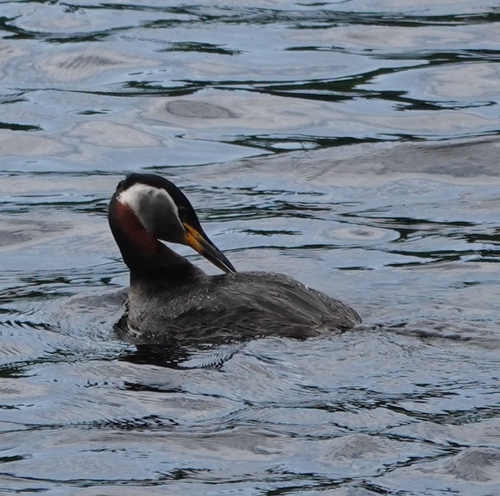 Svasso collorosso
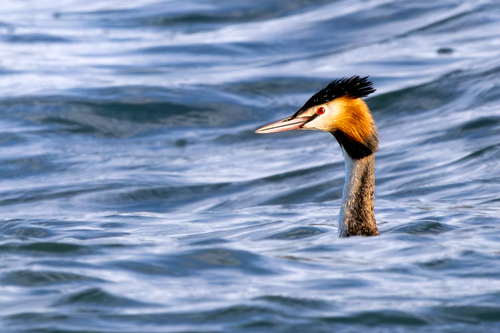 Svasso maggiore
In breve
In inverno e nei piumaggi immaturi, Svasso collorosso e Svasso maggiore possono essere confusi, ma il segno distintivo più affidabile è il modello della testa e del viso: lo Svasso maggiore mostra sempre un'area bianca netta sopra l'occhio, mentre lo Svasso collorosso ha un copricapo più scuro e meno definito che si fonde in un viso grigio con un sottile crescente chiaro sul retro. Strutturalmente, lo Svasso maggiore ha un collo più lungo e leggermente più pesante, con un modello della testa più contrastante e un becco rosa in inverno. I giovani di entrambe le specie sono striati, ma i giovani dello Svasso collorosso hanno un collo rosso più chiaro e più giallo sul becco. In volo, lo Svasso collorosso appare più allungato, con un collo lungo e piedi che si trascinano, mentre lo Svasso maggiore è più massiccio e più lungo nel complesso. Entrambe le specie sono esperti subacquei, ma le loro preferenze di habitat e il loro aspetto generale possono aiutare a distinguerli quando il piumaggio è ambiguo.
Consigli di identificazione
- Head and face pattern in winter: Lo Svasso maggiore mostra sempre un'area bianca netta sopra l'occhio, mentre lo Svasso collorosso ha un copricapo più scuro e meno definito che si fonde in un viso grigio con un sottile crescente chiaro sul retro. Questo è il segno distintivo più affidabile nel piumaggio non riproduttivo.
- Neck length and posture: Lo Svasso maggiore ha un collo più lungo e appare più allungato e maestoso, specialmente quando nuota. Lo Svasso collorosso ha un collo leggermente più corto e più compatto.
- Bill color in winter: Lo Svasso maggiore ha un becco rosa in inverno, mentre il becco dello Svasso collorosso è più scuro con meno giallo evidente rispetto all'estate.
- Juvenile plumage: Entrambi hanno pulcini striati, ma i giovani dello Svasso collorosso mostrano un copricapo nero diffuso, un collo rosso più chiaro e più giallo sul becco. I giovani dello Svasso maggiore hanno forti strisce nere e bianche sulla testa che svaniscono nel loro primo inverno.
- Breeding plumage: Lo Svasso collorosso ha un collo rosso intenso e un copricapo nero con un viso grigio chiaro, mentre lo Svasso maggiore è inconfondibile con ornate piume nere e arancio-marroni sulla testa e un viso bianco nettamente contrastante.
- Flight silhouette: Lo Svasso collorosso vola con il collo lungo esteso e i piedi grandi che si trascinano, dando un aspetto allungato. Lo Svasso maggiore è più massiccio e lungo, ma meno allungato in volo.
- Wing pattern: Entrambi mostrano ali grigie con secondarie bianche in volo, ma non è stato notato alcun modello unico di ala superiore per la separazione.
- Size: Lo Svasso maggiore è leggermente più pesante e lungo, ma questa differenza può essere sottile a meno che non siano visti fianco a fianco.
- Habitat in winter: Lo Svasso collorosso è più probabile che si trovi in acque costiere appena oltre le onde, mentre lo Svasso maggiore predilige grandi laghi e bacini.
- Behavior: Entrambi si tuffano per sfuggire al pericolo, ma lo Svasso collorosso è particolarmente riluttante a volare e ha bisogno di una lunga corsa sull'acqua per decollare.
- Courtship display: Lo Svasso maggiore esegue elaborate danze sincronizzate; lo Svasso collorosso ha anche un'esibizione elaborata ma è meno ornata.
- Vocalizations: Lo Svasso collorosso è più vocale durante la stagione riproduttiva, con forti richiami lamentosi; i richiami dello Svasso maggiore sono meno descritti nelle fonti.
- Chick-carrying: Entrambe le specie portano i pulcini sulla schiena, ma lo Svasso maggiore è noto per insegnare ai giovani a nuotare tuffandosi e lasciandoli seguire.
- Bill structure: Il becco dello Svasso collorosso è relativamente più grande e pesante rispetto al becco più snello dello Svasso maggiore.
- Cap contrast: In inverno, il copricapo dello Svasso collorosso è meno nettamente definito, fondendosi nel viso, mentre il contrasto tra il copricapo e il viso dello Svasso maggiore è sempre forte.
Taglia
Lo Svasso maggiore è il più grande dei due, con una massa media adulta di 875 g rispetto ai 829 g dello Svasso collorosso [wikidata]. Lo Svasso maggiore è anche più lungo (46–51 cm) e ha un'apertura alare più ampia (59–73 cm), conferendogli un aspetto più allungato e maestoso sull'acqua. Lo Svasso collorosso è comunque un grande svasso, ma è leggermente più compatto e meno allungato, specialmente nel collo. Sul campo, questa differenza di dimensioni può essere sottile, ma il collo più lungo e la corporatura più pesante dello Svasso maggiore sono spesso evidenti quando visti fianco a fianco.
Piumaggio
I piumaggi giovanili e immaturi sono fondamentali per la separazione. I pulcini di entrambe le specie sono audacemente striati sulla testa, ma i giovani dello Svasso collorosso mostrano un copricapo nero diffuso, un collo rosso più chiaro e più giallo sul becco, mentre i giovani dello Svasso maggiore hanno forti strisce nere e bianche sulla testa che svaniscono man mano che maturano. In inverno, lo Svasso collorosso è nel complesso più scuro, con un copricapo grigio scuro meno definito che si fonde nel viso grigio e un crescente chiaro dietro il viso. La parte anteriore del collo è biancastra o grigio chiaro, e il giallo del becco è attenuato. Lo Svasso maggiore in inverno ha un viso più bianco, mostrando sempre bianco sopra l'occhio e un becco rosa. Nel piumaggio di riproduzione, entrambi sono distintivi: lo Svasso collorosso ha un collo rosso intenso e un copricapo nero, mentre lo Svasso maggiore sfoggia ornate piume nere e arancio-marroni sulla testa e un viso nettamente contrastante. In volo, lo Svasso collorosso mostra ali grigie con secondarie bianche, ma non è stato notato alcun modello unico di ala superiore per entrambe le specie nelle fonti.
Comportamento
Entrambe le specie sono eccellenti subacquei e nuotatori, utilizzando i piedi per la propulsione sott'acqua. Lo Svasso collorosso è più propenso a rispondere al pericolo tuffandosi piuttosto che volando, ed è goffo sulla terra a causa dei piedi posizionati posteriormente. In volo, lo Svasso collorosso appare allungato, con il collo lungo esteso e i piedi grandi che si trascinano dietro, e richiede una lunga corsa sull'acqua per decollare. Lo Svasso maggiore è anche un forte subacqueo e nuotatore, ma appare più elegante e allungato sull'acqua, ed è noto per le sue elaborate esibizioni di corteggiamento che coinvolgono danze sincronizzate. Entrambe le specie portano i pulcini sulla schiena, ma lo Svasso maggiore è particolarmente noto per insegnare ai suoi giovani a nuotare e tuffarsi tuffandosi e lasciando i pulcini galleggiare e nuotare indietro.
Habitat
Entrambe le specie nidificano in laghi d'acqua dolce vegetati, ma lo Svasso collorosso è più migratorio, svernando principalmente in acque costiere calme appena oltre le onde, anche se alcuni rimangono in grandi laghi. Lo Svasso maggiore è più probabile che sia residente in climi più miti, ma sverna anche in laghi, bacini o acque costiere. In aree sovrapposte, lo Svasso collorosso può essere trovato in acque più aperte o costiere in inverno, mentre lo Svasso maggiore predilige laghi più grandi e vegetati tutto l'anno.
Voce
Lo Svasso collorosso è tra i più vocali degli svassi durante la stagione riproduttiva, emettendo un forte richiamo lamentoso o ululante (uooooh), spesso in duetti, oltre a una varietà di richiami di quack, cluck, hiss, rattle e purr. È per lo più silenzioso al di fuori della stagione riproduttiva. Lo Svasso maggiore è anche noto per le sue elaborate esibizioni di corteggiamento, ma le fonti non forniscono informazioni dettagliate sui suoi richiami per il confronto. In generale, le vocalizzazioni sono poco probabili da diagnosticare al di fuori della stagione riproduttiva.
Svasso collorosso · Svasso maggiore · I miei uccelli difficili