
Nibbio reale vs Nibbio bruno
Milvus milvus contro Milvus migrans
Fai un quiz con Nibbio reale e Nibbio bruno
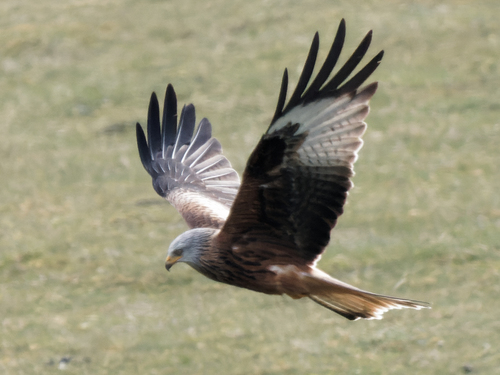 Nibbio reale
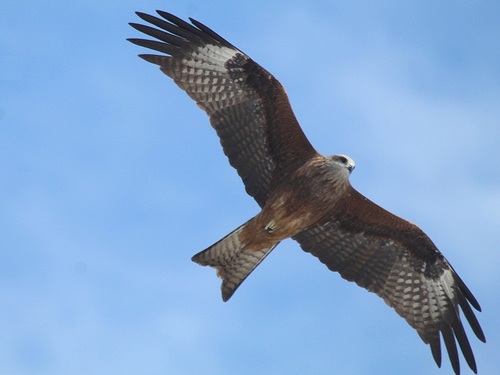 Nibbio bruno
In breve
Il segno di campo più affidabile per separare il Nibbio reale dal Nibbio bruno è la forma della coda in volo: il Nibbio reale mostra una coda lunga e profondamente biforcuta (soprattutto negli adulti), mentre il Nibbio bruno ha una coda più corta, molto meno biforcuta o addirittura leggermente arrotondata. I Nibbio reali juvenili mostrano anche una linea pallida distintiva attraverso le copritrici dell'ala superiore, assente nel Nibbio bruno. Il Nibbio reale è complessivamente rufous con macchie bianche contrastanti nelle primarie, mentre il Nibbio bruno è di un marrone scuro più uniforme, privo di toni rufous. Il Nibbio reale è più grande e più elegante in volo, spesso planando con le ali tenute in un dihedro pronunciato, mentre il Nibbio bruno appare più robusto e affaticato. Entrambe le specie possono essere confuse a distanza, specialmente gli immaturi, ma un'attenta attenzione alla forma della coda, al modello delle ali e alla colorazione generale risolverà la maggior parte delle identificazioni sul campo.
Consigli di identificazione
- Forma della Coda in Volo: Il Nibbio reale (tutte le età) ha una coda lunga e profondamente biforcuta, soprattutto evidente negli adulti; la coda del Nibbio bruno è più corta, solo poco biforcuta o addirittura leggermente arrotondata. Questo è il segno di campo più affidabile.
- Modello dell'Ala Superiore Juvenile: Il Nibbio reale juvenile mostra una lunga e stretta linea pallida attraverso le copritrici maggiori su entrambe le ali superiori e inferiori, visibile in volo; il Nibbio bruno non mostra mai questa caratteristica a nessuna età.
- Modello della Coda nei Juvenili: La coda del Nibbio reale juvenile è meno profondamente biforcuta rispetto agli adulti ma ancora più di quella del Nibbio bruno, e mostra una banda subterminale scura; i juvenili del Nibbio bruno mancano di questo e hanno una coda più uniforme.
- Colorazione Generale: Il Nibbio reale è rufous sul corpo, sulla coda superiore e sulle copritrici delle ali, con macchie primarie bianche e punte nere delle ali; il Nibbio bruno è di un marrone scuro uniforme, a volte con una testa/collo più chiari, ma mai rufous o con macchie bianche sulle ali.
- Modello delle Ali: Gli adulti del Nibbio reale hanno macchie primarie bianche che contrastano con le punte nere delle ali e le secondarie scure; le ali del Nibbio bruno sono più uniformemente scure, senza forti contrasti o macchie bianche.
- Volo: Il Nibbio reale è elegante, con ali lunghe tenute in un dihedro e una coda che si torce costantemente; il Nibbio bruno è più robusto, con un dihedro meno pronunciato e un volo più diretto e meno galleggiante.
- Dimensioni e Struttura: Il Nibbio reale è più grande e con ali più lunghe, con una coda più lunga; il Nibbio bruno è più piccolo, più compatto e con una coda più corta. Questo è più evidente quando entrambe le specie sono viste insieme.
- Becco e Cere: Entrambi hanno cere e zampe gialle, ma il becco del Nibbio bruno è nero, mentre il Nibbio reale è più chiaro. Questo è sottile e raramente visibile a distanza.
- Striature sul Petto: L'adulto del Nibbio reale ha striature nere sul petto; i juvenili hanno striature chiare. Il Nibbio bruno mostra parti inferiori striate a causa dei fusti delle piume scuri ma manca del lavaggio rufous.
- Colore della Testa: Il Nibbio bruno ha spesso una testa e un collo più chiari, specialmente in alcune sottospecie, ma questo non è così evidente quanto il rufous complessivo del Nibbio reale.
- Contesto dell'Habitat: In Europa, il Nibbio reale è più probabile che si trovi in campagna, in aperta campagna e ai margini dei boschi; il Nibbio bruno è comune vicino all'acqua, ai discariche e nelle aree urbane.
- Comportamento Intorno agli Umani: Il Nibbio bruno è più audace e più propenso a nutrirsi nelle città; il Nibbio reale è più timido e più rurale.
- Vocalizzazioni: Il Nibbio reale emette un richiamo sottile e acuto; il richiamo del Nibbio bruno è un fischio acuto seguito da una serie di nitriti. Usare con cautela, poiché entrambi sono spesso silenziosi.
- Sesso e Età: Entrambe le specie sono sessualmente simili; la differenza di dimensioni è sottile sul campo. La linea pallida delle copritrici del Nibbio reale juvenile è il miglior segno specifico per l'età.
- Trappole: A distanza, specialmente in scarsa illuminazione, il Nibbio bruno può apparire più biforcuto di quanto non sia, e i Nibbio reali usurati o in muta possono sembrare meno biforcuti. Controllare sempre più caratteristiche, specialmente la forma della coda e il modello dell'ala superiore in volo.
Taglia
Il Nibbio reale è notevolmente più grande e pesante del Nibbio bruno, con una massa corporea media di 1122 g rispetto a 828 g per il Nibbio bruno. L'apertura alare del Nibbio reale (175–195 cm) è anche maggiore di quella del Nibbio bruno (circa 150 cm). Sul campo, il Nibbio reale appare con ali più lunghe e coda più lunga, contribuendo al suo stile di volo più elegante e galleggiante. Il Nibbio bruno è più compatto e leggermente più corto di coda, con un profilo meno evidente.
Piumaggio
I Nibbio reali juvenili sono meglio identificabili da una lunga e stretta linea pallida formata dalle punte chiare di tutte le copritrici maggiori su entrambe le ali superiori e inferiori, una caratteristica assente nel Nibbio bruno di qualsiasi età. I Nibbio reali juvenili hanno anche un petto e una pancia color crema, una coda meno profondamente biforcuta con una banda subterminale scura e striature sul petto più chiare rispetto agli adulti. Gli adulti del Nibbio reale sono riccamente rufous sul corpo, sulla coda superiore e sulle copritrici delle ali, con macchie primarie bianche e punte nere delle ali; le loro code sono profondamente biforcute. I Nibbio bruni di tutte le età sono generalmente marrone scuro sopra e sotto, con teste e colli più chiari, e mancano di toni rufous o di bianco forte nelle ali. Le loro code sono solo poco biforcute, e il modello delle ali è più uniforme, senza linee pallide delle copritrici. La cere e le zampe sono gialle in entrambi, ma il becco del Nibbio bruno è nero, mentre quello del Nibbio reale è più chiaro. I sessi sono simili in entrambe le specie.
Comportamento
Il Nibbio reale è un planatore elegante e galleggiante, spesso visto planare su lunghe ali angolate con una coda biforcuta che si torce e si muove costantemente. Tiene frequentemente le ali in un dihedro pronunciato (forma a V) e appare quasi senza sforzo in volo. Il Nibbio bruno, pur essendo anche un buon planatore, ha un volo più diretto e meno elegante, spesso con battiti d'ala più superficiali e meno movimento della coda. Il Nibbio bruno è più probabile che venga visto nutrirsi vicino all'acqua, ai discariche o nelle aree urbane, ed è generalmente più audace intorno all'attività umana. Il Nibbio reale tende a essere più associato a campagne aperte e ai margini dei boschi.
Habitat
Il Nibbio reale è ora largamente ristretto all'Europa, favorendo campagne aperte, terreni agricoli e valli boschive, spesso lontano da aree urbane dense. Il Nibbio bruno ha un raggio molto più ampio, essendo il rapace più abbondante al mondo, ed è comunemente trovato vicino all'acqua, in campagna aperta e soprattutto intorno a città e paesi dove si nutre. In Europa, il Nibbio bruno è più probabile che venga visto vicino a fiumi, laghi o ambienti urbani, mentre il Nibbio reale è più rurale.
Voce
Il Nibbio reale emette un richiamo sottile e acuto, meno lamentoso della Poiana, e generalmente più silenzioso del Nibbio bruno. Il richiamo del Nibbio bruno è un fischio acuto distintivo seguito da una rapida serie di nitriti, spesso udito intorno ai siti di nidificazione o quando gli uccelli interagiscono. Anche se i richiami possono essere utili, entrambe le specie sono spesso silenziose in volo, quindi le vocalizzazioni non sono sempre diagnostiche sul campo.