

Red-gartered Coot vs White-winged Coot
Fulica armillata contro Fulica leucoptera
Fai un quiz con Red-gartered Coot e White-winged Coot
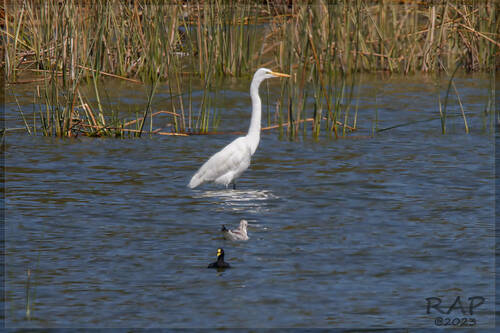 Red-gartered Coot
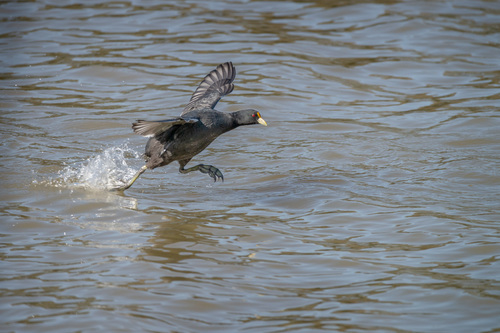 White-winged Coot
In breve
Il segno di campo più affidabile per separare il Red-gartered Coot dal White-winged Coot è la presenza di punte bianche pronunciate sulle secondarie del White-winged Coot, visibili in volo e talvolta a riposo—questo segno è assente nel Red-gartered Coot di tutte le età. Entrambe le specie condividono un piumaggio corporeo grigio ardesia simile con teste più nere e copritail bianchi, ma il colore del becco e dello scudo, così come il colore e la dimensione delle gambe, sono differenze chiave a distanza ravvicinata. I Red-gartered Coot mostrano una distintiva macchia rossa tra il becco giallo e lo scudo e una 'gamba' rossa sopra la caviglia, mentre i White-winged Coot hanno un becco e uno scudo giallo a giallo-verde, con gambe verdastre e senza rosso. Gli uccelli giovani e immaturi sono simili, ma il bianco nell'ala rimane un forte indizio per il White-winged Coot. Il Red-gartered è anche visibilmente più pesante e massiccio.
Consigli di identificazione
- Pannello bianco dell'ala (tutte le età): Cerca punte bianche pronunciate sulle secondarie in volo o quando l'ala è spiegata—presenti solo nel White-winged Coot, assenti nel Red-gartered Coot.
- Colore del becco e dello scudo (adulto): Il Red-gartered Coot ha un becco e uno scudo gialli con una macchia rossa evidente tra di essi; il White-winged Coot ha un becco e uno scudo giallo a giallo-verde, talvolta con una sfumatura arancione ma mai con una macchia rossa.
- Colore delle gambe (adulto): Il Red-gartered Coot mostra gambe giallo-arancioni a gialle con una 'gamba' rossa pallida sopra la caviglia; il White-winged Coot ha gambe e piedi di un verde mare pallido a giallo-verde, con dita e articolazioni nerastre, e non ha alcuna gamba rossa.
- Dimensione e massa: Il Red-gartered Coot è significativamente più grande e pesante; usa questo quando gli uccelli sono insieme o con coots familiari per scala.
- Confusione giovanile/immatura: I giovani di entrambe le specie sono grigio-marroni spenti con teste/collo bianchi maculati, ma il pannello bianco dell'ala rimane un segno chiave per il White-winged Coot a tutte le età.
- Copritail: Entrambe le specie hanno copritail bianchi; questo non è un separatore.
- Colore della testa e del collo: Entrambi hanno teste e colli più neri rispetto al resto del corpo negli adulti; non è un separatore.
- Colore del becco negli immaturi: I giovani Red-gartered Coot hanno becchi più chiari, i giovani White-winged Coot hanno becchi oliva scuri—questo è sottile e inaffidabile a distanza.
- Colore delle gambe negli immaturi: I giovani Red-gartered hanno gambe/piedi oliva; i giovani White-winged hanno gambe/piedi grigio-verdastri—di nuovo, sottile e non sempre visibile.
- Dimensione del gruppo/contesto: Gruppi grandi e densi (centinaia a migliaia) sono più tipici del White-winged Coot, specialmente al di fuori della stagione riproduttiva.
- Sovrapposizione dell'habitat: Entrambe le specie possono verificarsi insieme in zone umide di acqua dolce; non fare affidamento solo sull'habitat per l'ID.
- Vocalizzazioni: Se senti richiami forti, schiamazzanti o ridacchianti, sospetta il White-winged Coot, ma non usare la voce come unico separatore.
- 'Gamba' rossa sulla gamba: Solo il Red-gartered Coot mostra una macchia rossa sopra la caviglia; controlla questo se le gambe sono visibili.
- Dimensione dello scudo: Lo scudo del White-winged Coot è più piccolo e meno evidente rispetto a quello del Red-gartered, che è più grande e messo in evidenza dalla macchia rossa.
- Quando hai dubbi: Se non riesci a vedere il pannello dell'ala o i dettagli delle gambe, usa una combinazione di colore del becco/scudo e dimensione complessiva, ma fai attenzione alla sovrapposizione in scarsa luce o con uccelli distanti.
Taglia
Il Red-gartered Coot è sostanzialmente più grande e pesante, con una massa media di 1040 g rispetto ai 656 g del White-winged Coot. Sul campo, il Red-gartered appare spesso più massiccio e lungo (43–51 cm contro 35–43 cm). Questa differenza di dimensione è più evidente quando le due specie sono affiancate, ma può essere sottile a distanza o quando viste da sole.
Piumaggio
- Giovanile e Immatura: Entrambe le specie hanno piumaggio grigio-marrone spento o grigio scuro con maculature su una testa e collo bianchi, rendendoli simili a un primo sguardo. Tuttavia, solo il White-winged Coot mostra punte bianche pronunciate sulle secondarie (il 'pannello bianco'), visibili in volo e talvolta a riposo, anche negli uccelli giovani.
- Adulto: Entrambi hanno corpi grigio ardesia, teste/collo più neri e copritail bianchi. Gli adulti del Red-gartered Coot hanno un becco e uno scudo gialli con una macchia rossa tra di essi, e una 'gamba' rossa sopra la caviglia su gambe giallo-arancioni a gialle. Gli adulti del White-winged Coot hanno un becco e uno scudo giallo a giallo-verde (a volte con una sfumatura arancione), gambe e piedi verdastri, e dita/articolazioni nerastre. Il pannello bianco dell'ala rimane diagnostico per il White-winged Coot a tutte le età.
- Becchi/gambe immaturi: I giovani Red-gartered hanno becchi più chiari e gambe/piedi oliva; i giovani White-winged hanno becchi oliva scuri e gambe/piedi grigio-verdastri. Queste differenze sono sottili e possono sovrapporsi.
Comportamento
Entrambe le specie sono acquatiche e spesso viste nuotare o nutrirsi sulla superficie dell'acqua. Il White-winged Coot è notevolmente gregario al di fuori della stagione riproduttiva, formando grandi gruppi, a volte forti di migliaia, specialmente su grandi paludi. Il Red-gartered Coot è meno frequentemente descritto in tali grandi aggregazioni. Entrambi si nutrono principalmente di vegetazione acquatica, ma il White-winged Coot è più propenso a pascolare sulla terra lontano dall'acqua.
Habitat
Entrambe le specie si sovrappongono ampiamente nel sud del Sud America, frequentando lagune, stagni, paludi e anse dei fiumi di acqua dolce. Il White-winged Coot ha un raggio leggermente più ampio, verificandosi nelle Isole Falkland e come vagabondo in Perù, ed è più probabile trovarlo in acque salate vicino alla costa. Entrambi preferiscono aree con rive erbose o spoglie e abbondanti piante acquatiche. L'habitat da solo non è un separatore affidabile dove entrambe si verificano.
Voce
Il White-winged Coot è descritto come molto vocale, producendo una varietà di richiami forti, vuoti, schiamazzanti e clucking, alcuni dei quali ricordano le risate umane, e un distintivo richiamo 'huc' da maschi aggressivi. Non sono descritte differenze vocali distintive per il Red-gartered Coot nelle note disponibili, quindi la voce non è un forte separatore di campo basato sulle informazioni attuali.
Red-gartered Coot · White-winged Coot · I miei uccelli difficili