

Vireo occhirossi vs Luì bianco
Vireo olivaceus contro Phylloscopus bonelli
Fai un quiz con Vireo occhirossi e Luì bianco
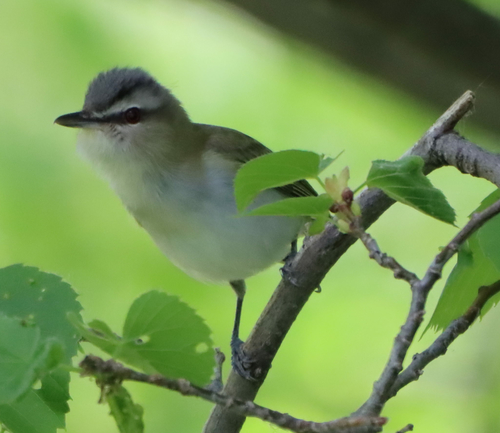 Vireo occhirossi
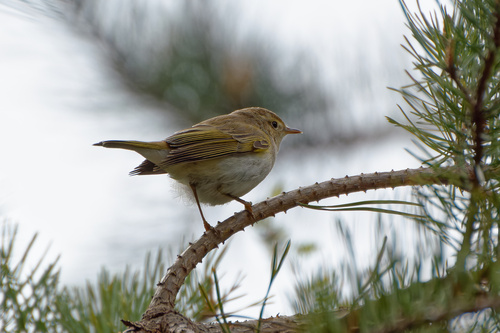 Luì bianco
In breve
Il segno distintivo più affidabile tra Vireo occhirossi e Luì bianco è il modello audace del viso del vireo: una forte striscia scura attorno all'occhio, un ampio sopracciglio bianco e un occhio rosso (negli adulti), che non è mai eguagliato dal viso molto più semplice del luì. Vireo occhirossi è più robusto, con un becco più pesante e tozzo e gambe blu-grigie, mentre Luì bianco è più delicato, con un becco fine e appuntito e gambe marroni. In volo o a riposo, il Luì bianco non presenta alcun forte contrasto facciale e mostra una parte superiore grigio-verde semplice con parti inferiori bianche, mentre il vireo è oliva sopra con fianchi giallastri e un modello di testa sorprendente. Se vedi un uccello con un viso semplice e gambe marroni, pensa al Luì; se il viso è audacemente segnato e le gambe sono blu-grigie, è un vireo.
Consigli di identificazione
- Il modello del viso è fondamentale: Vireo occhirossi ha una forte striscia scura attorno all'occhio, un ampio sopracciglio bianco e una corona grigia bordata di nero; Luì bianco ha un viso semplice senza un forte sopracciglio o striscia attorno all'occhio. Questo è il segno più affidabile in tutte le livree.
- Colore dell'iride (adulti): Vireo occhirossi ha un'iride rossa (meglio visibile in buona luce); Luì bianco ha un occhio scuro. Questo segno è affidabile solo negli adulti e può essere difficile da vedere a distanza.
- Forma del becco: Il vireo ha un becco tozzo, leggermente ricurvo adatto per raccogliere; il becco del Luì bianco è fine, dritto e appuntito, tipico dei luì. Questo è visibile da vicino o in buone foto.
- Colore delle gambe: Vireo occhirossi ha gambe blu-grigie; Luì bianco ha gambe marroni. Questo può essere un segno decisivo se visto bene, ma fai attenzione agli effetti di illuminazione.
- Costruzione generale: Il vireo è più robusto, con un collo più spesso e un aspetto più pesante; il Luì bianco è snodato e delicato, spesso apparendo più aggraziato e agile.
- Parte superiore: Il vireo è verde oliva sopra; il Luì bianco è grigio-verde o bruno, a volte con una sfumatura verdognola sul dorso e sulle ali, ma mai così oliva come il vireo.
- Parte inferiore: Entrambi sono bianchi sotto, ma il vireo mostra spesso fianchi giallastri e copritail (a volte deboli); il Luì bianco è bianco pulito sotto senza giallo.
- Corona: Il vireo ha una corona grigia bordata di nero; la corona del Luì bianco non è contrastante, fondendosi con il resto della parte superiore.
- Stile di volo: Il Luì bianco è veloce, svolazzante e irrequieto; il vireo è più misurato e deliberato, spesso fermandosi tra i movimenti.
- Contesto dell'habitat: In Nord America, il Luì bianco è un'estrema rarità; in Europa/Nord Africa, Vireo occhirossi è un vagabondo. Usa l'areale e le specie attese come un forte indizio.
- Voce: Se sentito, il Luì bianco emette un trillo monotono veloce e un richiamo 'hu-it'; il canto del vireo è una serie di brevi frasi ripetitive. I richiami non sono probabilmente confondibili sul campo.
- Sesso e età: Entrambe le specie sono sessualmente monomorfiche; non sono descritti segni specifici di età per nessuna delle due, quindi fai affidamento su caratteristiche strutturali e facciali per tutte le età.
- Confusione giovanile/immatura: Non sono descritti segni unici di ali o volo giovanili per nessuna delle due, quindi non aspettarti di separarle in base al modello dell'ala superiore in volo.
- Trappole di livrea: In luce fioca o a distanza, il viso del vireo può apparire meno segnato, e il Luì bianco può sembrare più verde sopra; cerca sempre di confermare il modello del viso e il colore delle gambe.
- Colore del becco e delle gambe insieme: Una combinazione di un becco tozzo e gambe blu-grigie (vireo) contro un becco fine e gambe marroni (Luì) è un forte separatore quando visto bene.
Taglia
Vireo occhirossi è nettamente più grande e pesante: 12–13 cm di lunghezza, 12–26 g di peso e un'apertura alare di 23–25 cm [wikipedia]. Luì bianco è un tipico piccolo luì, notevolmente più minuto e con un becco più leggero, sebbene le misure esatte non siano fornite nelle note. Sul campo, il vireo appare spesso più robusto e massiccio, mentre il Luì bianco è snello e agile.
Piumaggio
Non sono descritti segni specifici di ali o volo per età per nessuna delle due specie, quindi ci si concentra sulla livrea della testa e del corpo. Vireo occhirossi (adulto) è verde oliva sopra, bianco sotto, con fianchi giallastri e copritail (a volte deboli), una corona grigia bordata di nero, una forte striscia scura attorno all'occhio, un ampio sopracciglio bianco e un'iride rossa. Il becco è tozzo e le gambe sono blu-grigie. Luì bianco (adulto) è grigio-verde semplice sopra, con una sfumatura verdognola sul dorso e sulle ali, e parti inferiori bianche pulite. Il viso è semplice, privo di un forte sopracciglio o striscia attorno all'occhio, e il becco è piccolo e appuntito, con gambe marroni. Entrambi i sessi sono simili in ciascuna specie. Le livree giovanili/immature non sono descritte in dettaglio, ma non si fa menzione di pannelli distintivi sulle ali o segni di volo per nessuna delle due specie. Pertanto, il modello del viso del vireo e la semplicità generale del luì sono i principali contrasti.
Comportamento
Vireo occhirossi è spesso visto mentre raccoglie metodicamente insetti dalla vegetazione, a volte sospeso o addirittura appeso a testa in giù per frutta in inverno. Tende a muoversi in modo più deliberato e può apparire meno irrequieto rispetto ai luì tipici. Luì bianco è un foraggiatore attivo e agile, che svolazza attraverso la vegetazione nello stile classico dei luì, spesso sospendendosi brevemente per raccogliere insetti. Il comportamento del vireo è più misurato e meno frenetico rispetto a quello del luì.
Habitat
Vireo occhirossi nidifica in aree boschive aperte in tutto il Canada e negli Stati Uniti orientali/nordoccidentali, preferendo foreste a foglia larga o miste, ed è un uccello estivo comune in questi habitat [wikipedia, ebird]. Sverna in Sud America. Luì bianco nidifica in foreste e boschi del sud-ovest dell'Europa e del Nord Africa, costruendo il nido a terra, e sverna nell'Africa subsahariana. È un raro vagabondo nel nord Europa. Pertanto, in Nord America, qualsiasi confusione è quasi certamente un vireo; nel sud Europa/Nord Africa, ci si aspetta il Luì bianco.
Voce
Vireo occhirossi ha un canto persistente e ripetitivo di brevi frasi, ma questo non è descritto nelle note. Luì bianco emette un trillo monotono veloce come canto, e il suo richiamo è un 'hu-it' disillabico. La voce non è un separatore primario sul campo tra questi due, specialmente al di fuori dell'areale di nidificazione del Luì bianco.