

Red-crested Malkoha vs Besra
Dasylophus superciliosus contro Tachyspiza virgata
Fai un quiz con Red-crested Malkoha e Besra
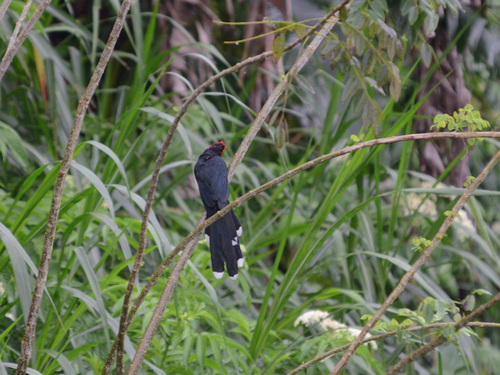 Red-crested Malkoha
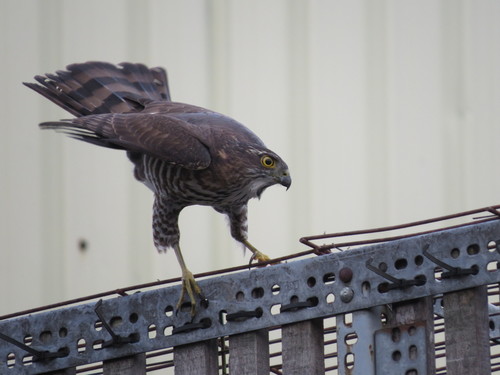 Besra
In breve
Il segno distintivo più affidabile tra Red-crested Malkoha e Besra è la presenza di un lungo e shaggy sopracciglio rosso (supercilium) e una cresta prominente sul malkoha, che non è mai mostrata dal besra. In volo o posato, il piumaggio nero lucido del malkoha con una lucentezza verdognola e la coda graduata con punte bianche contrasta nettamente con la struttura rapace del besra, le parti superiori blu-grigie o marroni e le forti barre delle parti inferiori. I giovani besra mostrano parti superiori marroni e parti inferiori barrate, ma non mostreranno mai le caratteristiche facciali uniche o il motivo della coda del malkoha. La struttura e il comportamento sono anche molto diversi: il malkoha è un grande cuculo dalla coda lunga, mentre il besra è un falco compatto e dalle ali larghe. La confusione è più probabile con gli uccelli posati in foreste dense, ma un'attenta attenzione al viso, alla coda e alla forma generale li separerà.
Consigli di identificazione
- Cerca il lungo e shaggy sopracciglio rosso (supercilium): Solo il Red-crested Malkoha mostra questa caratteristica, che va dalle lore al collo. Il besra non mostra mai rosso sul viso.
- Controlla la presenza di una cresta: Il malkoha ha una cresta unica e sciolta formata dalle piume superciliari; il besra ha una testa liscia e arrotondata senza cresta.
- Forma e motivo della coda: La coda del malkoha è molto lunga, graduata (a gradini) e con punte bianche. La coda del besra è lunga ma più uniforme, con 3–4 bande scure di dimensioni uguali e senza punte bianche.
- Lucentezza del piumaggio: Il malkoha è nero lucido con una lucentezza blu-verde sopra; il besra è blu-grigio opaco (maschio) o marrone (femmina/giovanile) sopra, mai lucido o verdognolo.
- Parti inferiori: Il malkoha è nero con una sfumatura verdognola opaca sotto; il besra è bianco con barre marrone-rossiccio (adulto) o marrone (giovanile).
- Motivo delle ali inferiori in volo: Il besra mostra forti barre sulle ali inferiori; le ali del malkoha sono tutte scure e lucide.
- Forma del becco: Il malkoha ha un becco lungo e leggermente curvato tipico dei cuculi; il besra ha un becco corto e ricurvo da rapace.
- Zampe e piedi: Il besra ha zampe e dita lunghe e sottili per afferrare la preda; le zampe del malkoha sono più corte e meno robuste.
- Postura: Il malkoha posato è allungato e orizzontale; il besra si siede eretto e all'erta come un falco.
- Stile di volo: Il malkoha vola debolmente e raramente plana; il besra utilizza voli rapidi e diretti con un modello "battito–battito–planata" e può planare.
- Contesto dell'habitat: Aspettati il malkoha solo nelle foreste di pianura su Luzon; il besra può essere trovato in una gamma più ampia di habitat boschivi in tutta l'Asia.
- Confusione giovanile: Il giovane besra può apparire marrone sopra e barrato sotto, ma non mostrerà mai un supercilium rosso o una coda con punte bianche.
- Dimorfismo sessuale: Il malkoha è sessualmente monomorfico (maschi e femmine si somigliano); le femmine di besra sono più marroni sopra e più grandi dei maschi.
- In caso di dubbio, concentrati sul viso: La presenza o l'assenza del supercilium rosso è il segno più decisivo.
- Non fare affidamento solo sulla dimensione: Entrambi possono apparire grandi e dalla coda lunga, ma la struttura e il piumaggio sono molto più affidabili.
Taglia
Il Red-crested Malkoha è un grande cuculo con una massa corporea di circa 123 g [wikidata], e appare lungo e allungato. Il besra è un rapace di dimensioni medie (29–36 cm di lunghezza) con una struttura più compatta e muscolosa, ali larghe e corte, e una coda lunga ma meno graduata. Il malkoha apparirà più ingombrante e con una coda più lunga, mentre il besra è più compatto e potente, specialmente in volo. Solo la massa del malkoha è disponibile, ma il besra è generalmente più leggero e di corporatura più piccola per la sua lunghezza a causa delle proporzioni da rapace.
Piumaggio
-
Uccelli giovani/immaturi: Il giovane besra è marrone scuro sopra e bianco sotto, con barre marroni sulle parti inferiori e 3–4 bande scure di dimensioni uguali sulla coda superiore. Non mostra mai un supercilium rosso o una lucentezza verdognola. Il malkoha non ha variazioni specifiche per età descritte; tutte le età mostrano il lungo sopracciglio rosso e le parti superiori nere lucide.
-
Adulti: Il Red-crested Malkoha è nero sopra con una lucentezza blu-verde, un colpo d'occhio lungo e rosso, e piume della coda graduata con punte bianche. Le parti inferiori sono nere con una sfumatura verdognola opaca. Il maschio adulto di besra è blu-grigio scuro sopra, bianco sotto con barre marrone-rossiccio, e una larga striscia gular; la femmina è più marrone sopra. Entrambi i sessi hanno 3–4 bande scure sulla coda e ali inferiori fortemente barrate. Nessun rosso sul viso, nessuna lucentezza verde e nessuna punta bianca sulla coda.
-
Viste in volo: Il besra mostra ali corte e larghe e una lunga coda a bande; le ali inferiori sono fortemente barrate. Le ali e la coda del malkoha sono tutte scure con una lucentezza verdognola, la coda è graduata e con punte bianche, e non presenta barre.
Comportamento
Il Red-crested Malkoha si muove lentamente e deliberatamente attraverso il fogliame denso della foresta, spesso strisciando lungo i rami e usando la sua lunga coda per l'equilibrio. Non è un forte volatore e raramente plana. Il besra è un rapace attivo e agile, spesso visto fare voli rapidi e diretti con un modello caratteristico "battito–battito–planata", e caccia con attacchi a sorpresa da nascondigli. Posato, il besra si siede eretto e all'erta, mentre il malkoha appare più orizzontale e allungato. Se vedi un uccello che plana o fa voli rapidi e potenti, è un besra; un uccello che si muove furtivamente tra i rami è un malkoha.
Habitat
Il Red-crested Malkoha è endemico di Luzon, Filippine, e ristretto a foreste tropicali umide di pianura. Il besra è diffuso in tutta l'Asia meridionale, comprese le Filippine, e occupa foreste dense ma può anche essere trovato in boschi più aperti, savane e persino coltivazioni, specialmente in inverno. Se visto al di fuori di Luzon o in campagna aperta, è quasi certamente non un malkoha. Entrambi possono verificarsi in foreste dense, ma solo il malkoha è strettamente legato alle foreste di pianura su Luzon.