

Averla piccola vs Ghiandaia
Lanius collurio contro Garrulus glandarius
Fai un quiz con Averla piccola e Ghiandaia
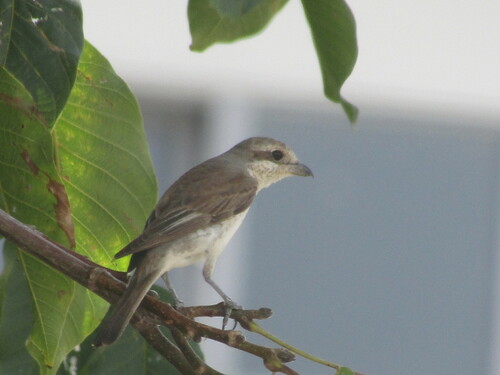 Averla piccola
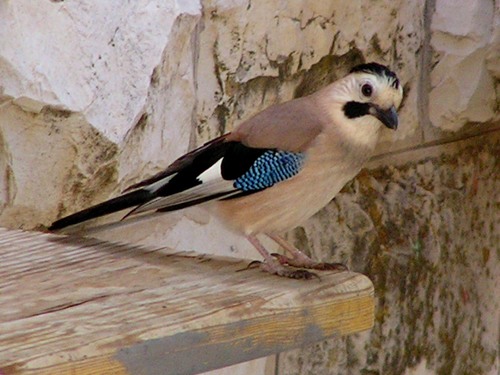 Ghiandaia
In breve
Il segno distintivo più affidabile per separare l'Averla piccola dalla Ghiandaia è la presenza di un pannello alare blu brillante sulla Ghiandaia, completamente assente nell'Averla. I maschi di Averla piccola hanno una testa grigia e una maschera nera molto appariscente, mentre le femmine e i giovani sono marroni e finemente striati, senza mai mostrare blu o audaci macchie alari bianche e nere. Le Ghiandaie sono molto più grandi, con corpi marrone-rosato, un baffo nero e una prominente macchia striata blu e nera sulla parte superiore dell'ala. Le Averle si posano erette su rami o fili esposti, mentre le Ghiandaie sono più robuste, spesso viste nei boschi e raramente si posano così apertamente. Anche in volo, il pannello alare blu della Ghiandaia e il suo sottocoda bianco sono distintivi, mentre l'Averla mostra un'ala più uniforme e un motivo di coda bianco e nero.
Consigli di identificazione
- Pannello alare blu (tutte le età, solo Ghiandaia): La Ghiandaia mostra sempre una macchia blu brillante con fini barre nere sulla parte superiore dell'ala, visibile sia posata che in volo. L'Averla piccola non mostra mai blu nell'ala.
- Dimensione (tutte le età): Le Ghiandaie sono quasi due volte più lunghe delle Averle e molto più robuste. Se vedi un uccello delle dimensioni di un corvo, non è un'Averla.
- Motivo della testa (maschio adulto di Averla): Il maschio di Averla piccola ha una testa grigia e una maschera nera audace attraverso l'occhio. Le Ghiandaie hanno una corona biancastra con striature nere e un baffo nero, mai una maschera completa.
- Parte inferiore (tutte le età): Le parti inferiori dell'Averla sono rosate (maschio) o color paglia (femmina/giovane), spesso finemente striate. Le parti inferiori della Ghiandaia sono marrone-rosate, semplici e mai vermicolate.
- Motivo della coda: L'Averla ha una coda bianca e nera, a volte simile a quella di un calandre. La Ghiandaia ha una coda nera solida con un sottocoda bianco contrastante, particolarmente evidente in volo.
- Comportamento di posarsi: Le Averle si posano erette ed esposte su fili o rami spogli. Le Ghiandaie sono più riservate, di solito sugli alberi, raramente si posano in aperto per lungo tempo.
- Habitat: Le Averle favoriscono il paese aperto, le siepi e i terreni agricoli. Le Ghiandaie sono uccelli di bosco, specialmente con querce, e solo occasionalmente si avventurano in aree aperte.
- Forma del becco: L'Averla ha un becco ricurvo, predatorio, tipico delle Averle. La Ghiandaia ha un becco robusto e dritto, non ricurvo.
- Confusione giovane/femmina: I giovani Averle sono marroni e striati ma non mostrano mai blu o un sottocoda bianco. I giovani Ghiandaie assomigliano agli adulti e hanno sempre il pannello alare blu.
- Stile di volo: Le Ghiandaie hanno un volo saltellante e ondulato, spesso rumoroso. Le Averle volano in modo più diretto e silenzioso.
- Vocalizzazione: Se senti un forte, aspro strido, è probabile che sia una Ghiandaia. Le Averle sono più silenziose, con richiami aspri o gorgheggianti.
- Comportamento alimentare: Le Averle possono essere viste infilzare le prede su spine o fili. Le Ghiandaie sono spesso viste seppellire ghiande o cercare cibo a terra.
- Motivo della corona: La corona della Ghiandaia è biancastra con striature nere; la corona dell'Averla è grigia semplice (maschio) o marrone (femmina/giovane).
- Contesto: Nel Regno Unito, l'Averla piccola è ora molto rara e locale, mentre la Ghiandaia è diffusa e comune nei boschi adatti.
- Quando hai dubbi: Cerca il pannello alare blu (Ghiandaia) e il posarsi eretto ed esposto (Averla) come i tuoi controlli sul campo più rapidi.
Taglia
La Ghiandaia è sostanzialmente più grande dell'Averla piccola: le Ghiandaie misurano 34–35 cm di lunghezza con un'apertura alare di 52–58 cm, mentre le Averle sono molto più piccole, lunghe 16–18 cm [wikipedia]. La robustezza e le lunghe ali della Ghiandaia la fanno apparire quasi simile a un corvo, mentre l'Averla è più snella e delle dimensioni di un tordo. Se vedi entrambi insieme, la Ghiandaia sovrasterà l'Averla. Questa differenza di dimensioni è coerente in tutte le età e i sessi.
Piumaggio
- Giovani/uccelli immaturi: I giovani e le femmine di Averla piccola sono marroni sopra e color paglia sotto, entrambi fortemente vermicolati (finemente striati) su parti superiori e inferiori. Non mostrano mai blu o pannelli alari a contrasto audaci. I giovani Ghiandaie assomigliano agli adulti, con piumaggio marrone-rosato, baffo nero e hanno sempre una macchia alare blu e nera striata e un sottocoda bianco.
- Maschi adulti: I maschi di Averla piccola hanno una testa grigia, una striscia nera sull'occhio, parti superiori rossastre, parti inferiori con sfumature rosa e una coda bianca e nera. Gli adulti di Ghiandaia hanno un corpo marrone-rosato, baffo nero, gola biancastra, sottocoda bianco, coda nera e il chiave pannello alare blu con fini barre nere.
- Femmine adulte: Le femmine di Averla assomigliano ai giovani ma mancano del pannello alare blu e del baffo nero della Ghiandaia. Le Ghiandaie non mostrano dimorfismo sessuale nel piumaggio.
- In volo: Le Ghiandaie mostrano un sottocoda bianco, un pannello alare blu e una coda nera; le Averle mostrano un'ala superiore più uniforme marrone o rossastra (a seconda dell'età/sesso) e una coda bianca e nera senza blu o sottocoda bianco.
Comportamento
Le Averle piccole si posano tipicamente erette su posatoi prominenti ed esposti (pali di recinzione, fili, cime di cespugli), scrutando alla ricerca di prede. Sono spesso viste sole o in coppie e sono famose per infilzare le prede su spine o filo spinato. Le Ghiandaie sono uccelli di bosco, che si muovono tra gli alberi con un volo saltellante, raramente posandosi in aperto per lungo tempo. Le Ghiandaie sono spesso viste volare tra gli alberi, cercando cibo a terra per le ghiande o facendo voli brevi e rumorosi. Le Ghiandaie possono visitare i giardini ma sono molto meno probabili da vedere posate in aperto come un'Averla.
Habitat
Le Averle piccole preferiscono il paese aperto con cespugli sparsi, siepi e margini di terreni agricoli, spesso in habitat più secchi. Sono raramente trovate in profondità nei boschi. Le Ghiandaie sono specialiste del bosco, specialmente dove sono presenti le querce, e si trovano più spesso in foreste miste o decidue. Le Ghiandaie si sono recentemente espanse in parchi urbani e grandi giardini ma rimangono strettamente legate agli habitat boschivi. Vedere un uccello in un terreno agricolo aperto o posato su un filo favorisce fortemente l'Averla; in un bosco fitto o tra le querce, è più probabile vedere una Ghiandaia.
Voce
Nessun confronto diretto nelle note. Tuttavia, la Ghiandaia è nota per i richiami aspri e striduli e può imitare altri uccelli, mentre l'Averla piccola è generalmente più silenziosa, con richiami aspri e a volte un gorgheggio morbido. Se senti un forte e rauco strido, sospetta che sia una Ghiandaia.