
Luì di Radde vs Luì scuro
Phylloscopus schwarzi contro Phylloscopus fuscatus
Fai un quiz con Luì di Radde e Luì scuro
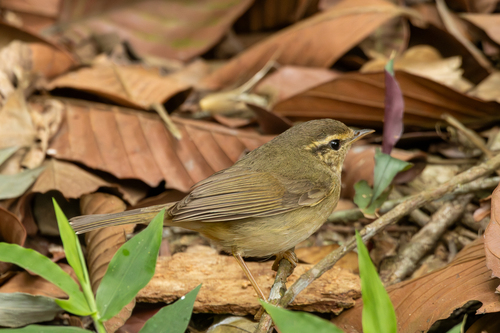 Luì di Radde
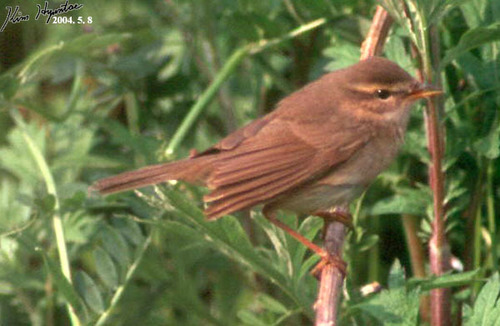 Luì scuro
In breve
Il Luì di Radde e il Luì scuro sono notoriamente simili, ma un'attenta osservazione dello spessore del becco, del colore delle gambe e delle sfumature del piumaggio può separarli. I segni di campo più affidabili sono il becco più spesso e robusto del Luì di Radde e le gambe visibilmente più chiare, rispetto al becco più fine e alle gambe più scure del Luì scuro. Entrambe le specie mostrano un supercilium biancastro prominente e parti superiori marroni non striate, ma il Luì di Radde appare spesso più terrestre e ha piedi che sembrano più grandi. Il piumaggio giovanile differisce sottilmente: i giovani Luì di Radde sono più gialli sotto, mentre i giovani Luì scuri hanno una parte superiore più tendente all'oliva. Queste differenze sono meglio visibili da vicino o in buona luce.
Consigli di identificazione
- Spessore del becco: Il Luì di Radde ha un becco visibilmente più spesso, robusto e appuntito rispetto al Luì scuro, il cui becco è più fine e delicato. Questo è spesso il segnale strutturale più rapido da notare da vicino.
- Colore delle gambe: Il Luì di Radde mostra gambe più chiare rispetto alle gambe più scure del Luì scuro. Questa differenza è sottile ma affidabile in buona luce, specialmente quando gli uccelli sono posati in basso o saltellano a terra.
- Dimensione dei piedi: Il Luì di Radde ha piedi che sembrano più grandi, riflettendo le sue abitudini più terrestri. Se vedi l'uccello camminare o saltellare a terra, controlla questo aspetto dei piedi robusti.
- Lunghezza del supercilium: Entrambe le specie hanno un supercilium biancastro prominente, ma quello del Luì di Radde tende a essere più lungo e più evidente, a volte si estende ulteriormente dietro l'occhio. Tuttavia, questo può variare e essere influenzato dall'usura delle piume o dalla postura.
- Piumaggio giovanile: I giovani Luì di Radde sono più gialli sotto, mentre i giovani Luì scuri hanno una parte superiore più tendente all'oliva. Questo è particolarmente utile durante la migrazione autunnale quando sono presenti giovani freschi.
- Tono delle parti inferiori: Il Luì di Radde appare spesso più caldo o più buffo sotto, mentre il Luì scuro può apparire più freddo o opaco, ma questa è una differenza sottile e può essere influenzata dalla luce.
- Struttura generale: Il Luì di Radde può apparire più robusto o massiccio, con un becco e piedi più pesanti, mentre il Luì scuro è leggermente più delicato nel complesso.
- Comportamento: Se l'uccello trascorre molto tempo a terra o si muove pesantemente attraverso la vegetazione bassa, è più probabile che sia un Luì di Radde. Se è più attivo nei cespugli e meno spesso a terra, è più probabile che sia un Luì scuro, ma questo non è definitivo.
- Habitat: Entrambe le specie preferiscono coperture dense e cespugliose, quindi l'habitat non è un forte separatore, ma il Luì di Radde può essere visto più spesso cercando cibo a terra.
- Sesso e stagione: Entrambe le specie sono sessualmente monomorfiche (i sessi si somigliano), quindi non utilizzare il sesso come separatore. La variazione stagionale è limitata alle sottili differenze giovanili sopra menzionate.
- Viste in volo: Non sono descritti segni distintivi di volo o di piumaggio per nessuna delle due specie, quindi non fare affidamento su modelli di ali superiori o di coda.
- Voce: Il Luì di Radde emette un richiamo morbido 'chick', ma il richiamo del Luì scuro non è descritto qui. Utilizza la voce solo con cautela e in combinazione con altri segni.
- Trappole: La scarsa illuminazione può offuscare il colore delle gambe e lo spessore del becco; cerca sempre di avere più viste e utilizza una combinazione di segni. Fai attenzione alla variazione individuale e all'usura delle piume, specialmente in autunno.
- Quando hai dubbi: Se non riesci a vedere chiaramente il becco o le gambe, e i toni del piumaggio sono ambigui, potrebbe non essere possibile separarli con certezza. Dai priorità ai segni strutturali e al piumaggio giovanile quando disponibili.
Taglia
Entrambe le specie sono molto simili in dimensioni, rientrando nell'intervallo tipico per piccoli Luì. Il Luì di Radde ha una massa corporea registrata di circa 11,5 g [wikidata], che è vicina alla massa attesa del Luì scuro (non direttamente fornita, ma simile per contesto). Sul campo, nessuna delle due specie è visibilmente più grande o più piccola dell'altra, quindi la dimensione non è un separatore affidabile.
Piumaggio
I Luì di Radde e i Luì scuri adulti hanno entrambi schiene marroni non striate e parti inferiori color crema, con un supercilium biancastro prominente. Le principali differenze nel piumaggio sono sottili e dipendono dall'età: i Luì di Radde giovanili sono più gialli sotto, mentre i Luì scuri giovanili hanno una parte superiore più tendente all'oliva. In entrambe le specie, i sessi sono identici. Il supercilium è molto lungo e prominente nel Luì di Radde, a volte appare più lungo rispetto al Luì scuro. Non sono descritti segni distintivi di volo o di piumaggio specifici per l'età per nessuna delle due specie nelle fonti. Entrambi hanno ali semplici e mancano di barre o pannelli forti. In scarsa luce, queste sottili differenze di colore possono essere difficili da giudicare, quindi i segni strutturali diventano più importanti.
Comportamento
Il Luì di Radde è più terrestre nelle sue abitudini, spesso visto cercare cibo in basso in coperture dense o anche a terra, il che si riflette nei suoi piedi che sembrano più grandi. Il Luì scuro è anche furtivo ma può essere leggermente più arboricolo, spesso mantenendosi in cespugli e cespugli bassi. Entrambe le specie sono attive e irrequiete, ma il Luì di Radde può apparire più pesante e meno delicato nei movimenti.
Habitat
Entrambe le specie nidificano nell'est Palearctico e sono migratorie, ma il Luì di Radde è noto per nidificare in Siberia e svernare nel Sud-est asiatico, mentre il Luì scuro nidifica più ampiamente nell'est Palearctico. Nei contesti di migrazione e vagabondaggio, entrambe possono apparire in habitat densi e cespugliosi simili, quindi l'habitat da solo non è un forte separatore. Entrambi preferiscono coperture spesse e sono raramente visti in aree aperte.
Voce
Il Luì di Radde emette un richiamo morbido 'chick'. Non sono fornite differenze vocali distintive per il Luì scuro nelle fonti, quindi la voce non è un separatore affidabile basato sulle informazioni disponibili. Entrambi possono essere silenziosi ed elusivi, specialmente al di fuori della stagione riproduttiva.