

Plumbeous Rail vs Ash-throated Crake
Pardirallus sanguinolentus contro Mustelirallus albicollis
Fai un quiz con Plumbeous Rail e Ash-throated Crake
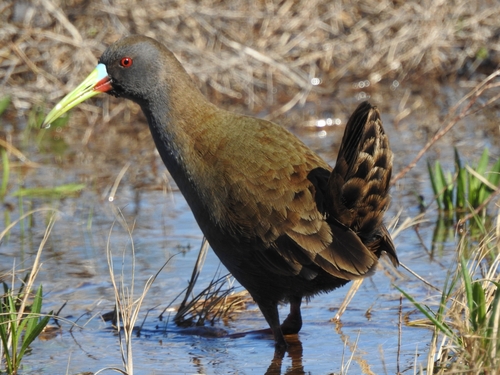 Plumbeous Rail
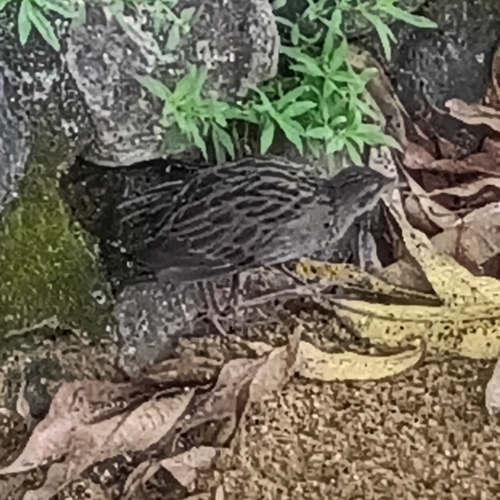 Ash-throated Crake
In breve
Il segno di campo più affidabile per separare il Plumbeous Rail dall'Ash-throated Crake è la dimensione e la struttura complessiva: il Plumbeous Rail è molto più grande e pesante, con un corpo più lungo e un becco più pesante, mentre l'Ash-throated Crake è notevolmente più piccolo e più compatto. Nel piumaggio, il Plumbeous Rail mostra parti inferiori grigie uniformi e un volto per lo più uniforme, in contrasto con la gola e il petto grigio chiaro dell'Ash-throated Crake, le parti superiori nere con bordi delle piume marroni e le distintive striature bianche e nere sui fianchi e sul sottocoda. Anche il colore del becco aiuta: il becco del Plumbeous Rail è verde con una base blu e una mandibola inferiore rossa (eccetto in alcune sottospecie), mentre quello dell'Ash-throated Crake è corto, verdastro e privo dei forti contrasti di colore. Entrambe le specie sono uccelli segreti delle paludi, ma le loro differenze di dimensione e piumaggio sono solitamente visibili con buone viste.
Consigli di identificazione
- La dimensione è un indizio principale: Il Plumbeous Rail è molto più grande e pesante dell'Ash-throated Crake. Se vedi un rail che sembra più vicino a un piccolo pollo che a un passero, è probabile che sia un Plumbeous Rail.
- Struttura e colore del becco: Il Plumbeous Rail ha un becco verde più lungo e pesante con una base blu e una mandibola inferiore rossa (eccetto in P. s. luridus). Il becco dell'Ash-throated Crake è più corto, verdastro e privo dei forti contrasti di colore.
- Schema delle parti inferiori: Il Plumbeous Rail mostra parti inferiori grigie uniformi senza striature, mentre l'Ash-throated Crake ha una gola e un petto grigio chiaro, e audaci striature bianche e nere sui fianchi e sul sottocoda. Questa striatura è un segno di campo chiave per l'Ash-throated Crake.
- Parti superiori: Il Plumbeous Rail (nominate) ha parti superiori marroni macchiate, ma alcune sottospecie sono più marroni-olive e mancano di macchiettature. L'Ash-throated Crake ha parti superiori nere con bordi delle piume marroni, dando un aspetto più scuro e più patternizzato.
- Schema del volto: Il Plumbeous Rail ha un volto grigio uniforme, mentre il volto dell'Ash-throated Crake non è così uniforme, con una gola e un petto più chiari che si stagliano contro le parti superiori più scure.
- Colore delle gambe: Il Plumbeous Rail ha gambe rosse, mentre le gambe dell'Ash-throated Crake sono marroni-porpora. Questo può aiutare se riesci a vedere chiaramente le gambe.
- Colore degli occhi: Il Plumbeous Rail ha occhi rossi; il colore degli occhi dell'Ash-throated Crake non è specificato nelle note, quindi questo è utile solo se vedi un occhio rosso chiaro (favorendo il Plumbeous Rail).
- Stile di volo: Se spaventato, il Plumbeous Rail appare più pesante e più lento, mentre l'Ash-throated Crake è più svolazzante e agile.
- Contesto dell'habitat: In Cile, si trova solo il Plumbeous Rail. Altrove, entrambe le specie possono essere presenti, quindi fai affidamento sul piumaggio e sulla dimensione.
- Variazione delle sottospecie: Fai attenzione che alcune sottospecie di Plumbeous Rail mancano di macchiettature nelle parti superiori e hanno parti inferiori grigie più chiare, ma mancano comunque delle audaci striature sui fianchi dell'Ash-throated Crake.
- Uccelli giovani/immaturi: Non sono descritti segni distintivi di ali o schemi di volo giovanili per nessuna delle due specie, quindi utilizza la dimensione complessiva e le striature sui fianchi anche per i giovani uccelli.
- Differenze sessuali: Entrambe le specie hanno sessi simili nel piumaggio, quindi non fare affidamento sul sesso per l'identificazione.
- Voce: Non descritta nelle note, quindi non utilizzare vocalizzazioni per la separazione qui.
- Eccezioni al colore del becco: Ricorda che P. s. luridus manca della colorazione blu e rossa del becco, quindi in quella sottospecie, il colore del becco è meno utile.
- Impressione generale: Se l'uccello sembra grande, uniforme e grigio sotto, pensa al Plumbeous Rail; se è piccolo, patternizzato e mostra striature bianche e nere sui fianchi, pensa all'Ash-throated Crake.
Taglia
Il Plumbeous Rail è sostanzialmente più grande, misurando 30–38 cm di lunghezza e pesando 170–230 g, mentre l'Ash-throated Crake è molto più piccolo a 21–24 cm e 90–120 g [wikipedia]. Questa differenza di dimensione è solitamente ovvia sul campo se vedi gli uccelli affiancati o hai una buona percezione della scala. Il Plumbeous Rail appare con un corpo più lungo e più pesante, con un becco proporzionalmente più lungo, mentre l'Ash-throated Crake è compatto e più leggero, con un becco visibilmente più corto.
Piumaggio
- Ali e schema di volo giovanile/immaturo: Non sono descritti segni specifici di ali o schemi di volo legati all'età per nessuna delle due specie nelle note disponibili, quindi ci si concentra sul piumaggio adulto e generale.
- Plumbeous Rail (adulto): Mostra parti superiori marroni macchiate (nominate), volto e parti inferiori grigie uniformi, e occhi e gambe rossi. Il becco è verde con una base blu cielo e una mandibola inferiore rossa brillante (eccetto in P. s. luridus, che manca di macchiettature e ha parti inferiori grigie più chiare). Le sottospecie variano nella quantità di marrone-oliva e grigio, ma tutte mancano di forti striature o pattern audaci sui fianchi.
- Ash-throated Crake (adulto): Ha parti superiori nere con bordi delle piume marroni, una gola, un petto e una pancia grigio chiaro, e strisce bianche e nere sorprendenti sui fianchi e sulle copritrici del sottocoda. Il becco è corto e verdastro, le gambe marroni-porpora. La sottospecie M. a. typhoeca è più piccola e più chiara, ma il pattern di base rimane.
- Contrasto chiave: Il Plumbeous Rail è complessivamente più uniforme, specialmente sotto, senza striature sui fianchi; l'Ash-throated Crake è più patternizzato, con striature evidenti e una gola e un petto più chiari.
Comportamento
Entrambe le specie sono segrete e preferiscono rimanere nascoste nella densa vegetazione delle paludi, ma il Plumbeous Rail, essendo più grande, può apparire più deliberato e meno agile quando si muove tra le canne. L'Ash-throated Crake, a causa della sua dimensione più piccola, può muoversi più rapidamente e agilmente attraverso spazi ristretti. Entrambi sono più spesso sentiti che visti, ma quando spaventati, il Plumbeous Rail può apparire più pesante e più lento in volo, mentre l'Ash-throated Crake è probabile che faccia un volo più corto e più svolazzante.
Habitat
Entrambe le specie occupano paludi e prati umidi, ma i loro areali si sovrappongono solo parzialmente. Il Plumbeous Rail si trova nel sud e nell'ovest del Sud America, inclusi Argentina, Cile e le Ande, mentre l'Ash-throated Crake è assente in Cile ma diffuso altrove in Sud America. Le preferenze di habitat sono simili, quindi il contesto è solo debolmente diagnostico a meno che tu non sia in Cile (dove si trova solo il Plumbeous Rail).
Plumbeous Rail · Ash-throated Crake · I miei uccelli difficili