

Plain-breasted Ground Dove vs Blue Ground Dove
Columbina minuta contro Claravis pretiosa
Fai un quiz con Plain-breasted Ground Dove e Blue Ground Dove
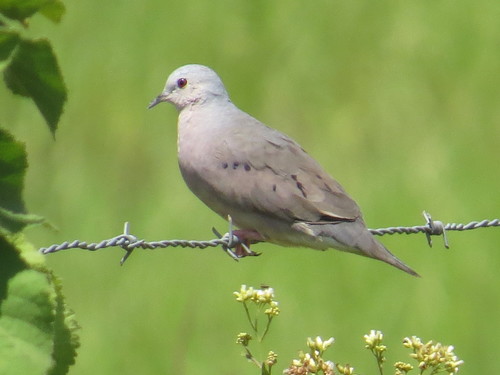 Plain-breasted Ground Dove
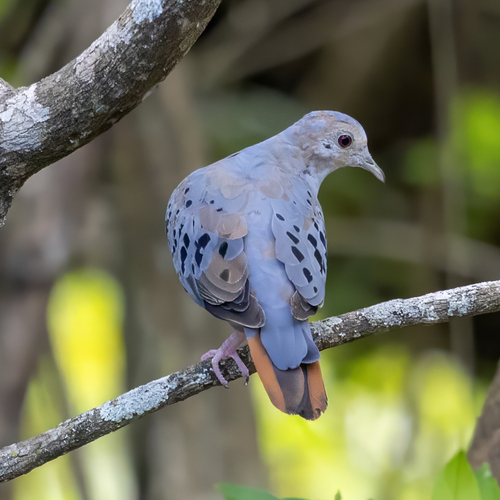 Blue Ground Dove
In breve
Il segno di campo più affidabile tra questi due è la presenza o assenza di macchie audaci sulle ali: il Blue Ground Dove (soprattutto i maschi adulti) mostra macchie nere o castane prominenti sulle ali, mentre il Plain-breasted Ground Dove ha solo sottili macchie viola scuro sulle ali più chiare. I giovani Blue Ground Doves hanno una scaglionatura rossiccia sulla schiena, che non è mai mostrata dal Plain-breasted. Strutturalmente, il Blue Ground Dove è notevolmente più grande e pesante, con un aspetto più robusto sul campo. Il Plain-breasted Ground Dove manca della piumatura squamosa o maculata sulla testa e sul petto che è tipica del Common Ground Dove, ed è complessivamente più semplice e più piccolo del Blue Ground Dove. Le differenze di sesso e età sono importanti: i Blue Ground Doves femmina e immaturi sono più marroni e mostrano macchie castane sulle ali, mentre il Plain-breasted rimane più uniformemente colorato e manca di forti contrasti.
Consigli di identificazione
- Wing spotting in flight or at rest: Gli adulti Blue Ground Doves (soprattutto i maschi) mostrano macchie nere audaci (maschio) o castane (femmina/immaturi) sulle ali, spesso formando una banda; il Plain-breasted Ground Dove ha solo sottili macchie viola scuro sulle ali più chiare, mai formando una forte banda. Questo è il segno più affidabile in tutte le età.
- Juvenile/immature back pattern: I giovani Blue Ground Doves hanno una scaglionatura rossiccia sulla schiena; il Plain-breasted Ground Dove non mostra mai questa caratteristica a nessuna età.
- Overall size and structure: Il Blue Ground Dove è molto più grande e pesante, con un corpo più massiccio e una coda più lunga. Il Plain-breasted Ground Dove è piccolo e delicato, spesso apparendo notevolmente più piccolo rispetto ad altri piccioni di terra.
- Male plumage: Il maschio adulto di Blue Ground Dove è blu-grigio sopra, più chiaro sotto, con un volto pallido contrastante e macchie nere audaci sulle ali; il Plain-breasted Ground Dove è uniformemente grigio scuro-marrone, senza forti contrasti o toni blu.
- Female/immature plumage: La femmina di Blue Ground Dove è marrone con una schiena rossiccia e un dorso/coda castano, e macchie castane sulle ali. Le femmine di Plain-breasted Ground Dove sono simili ai maschi, mancando dei toni rossicci o castani e dei forti contrasti di colore.
- Breast and head pattern: Il Plain-breasted Ground Dove ha un petto e una testa semplici, non marcati, privi di qualsiasi aspetto squamoso o maculato. I maschi di Blue Ground Dove hanno un volto pulito e pallido, mentre le femmine mostrano un certo contrasto tra testa e schiena.
- Underwing color: Il Plain-breasted Ground Dove ha principalmente ali inferiori rufous, che possono essere visibili in volo; le femmine di Blue Ground Dove hanno ali inferiori blu-grigio pallido.
- Bill, legs, and eye color: Il Plain-breasted Ground Dove ha un becco grigio, zampe rosa e occhi rossicci. Il Blue Ground Dove ha un'iride rossa o gialla, un anello oculare nudo verde e zampe rosa carne (queste possono essere difficili da vedere sul campo).
- Behavior in pairs: Il Blue Ground Dove è spesso visto come un uccello blu-grigio e marrone che vola insieme (maschio e femmina); il Plain-breasted Ground Dove è più spesso solitario o in piccoli gruppi uniformi.
- Habitat context: In habitat umidi, boschivi o di margine forestale, il Blue Ground Dove è più probabile; in paesi asciutti e aperti, il Plain-breasted Ground Dove è più tipico.
- Confusion with other doves: Il Plain-breasted Ground Dove può essere confuso con il Common Ground Dove, ma manca della testa e del collo squamosi. Le femmine di Blue Ground Dove possono assomigliare alle femmine di Ruddy Ground Dove, ma sono più grandi e hanno macchie castane (non nere) sulle ali.
- Flight style: Il Blue Ground Dove ha un volo più potente e costante; il volo del Plain-breasted Ground Dove è veloce e tremolante, in linea con le sue piccole dimensioni.
- Sexual dimorphism: Il Blue Ground Dove mostra un forte dimorfismo sessuale (maschio blu-grigio, femmina marrone); il Plain-breasted Ground Dove è molto meno dimorfico sessualmente, con entrambi i sessi simili.
- Group composition: Se vedi una coppia mista (blu-grigio e marrone) insieme, è probabile che sia un Blue Ground Dove; i gruppi di Plain-breasted Ground Dove sono più uniformi nel colore.
- When in doubt, focus on wing pattern and size: Questi due segni—macchie sulle ali e dimensioni complessive—sono i più costantemente affidabili per separare queste specie in tutte le età e sessi.
Taglia
Il Blue Ground Dove è sostanzialmente più grande e pesante: gli adulti sono lunghi circa 20 cm e pesano 65–72 g [wikidata], mentre il Plain-breasted Ground Dove è solo 14.5–16 cm e 24–42 g [wikipedia]. Sul campo, il Blue Ground Dove appare più massiccio e robusto, con una costruzione più pesante e una coda leggermente più lunga. Il Plain-breasted Ground Dove è uno dei columbidi più piccoli per massa e appare distintamente minuto, soprattutto quando visto fianco a fianco o in stormi misti.
Piumaggio
- Juveniles/immatures: I giovani Blue Ground Doves mostrano una scaglionatura rossiccia sulla schiena, una caratteristica mai presente nel Plain-breasted Ground Dove. I Blue Ground Doves immaturi (come le femmine) hanno macchie marrone castano sulle ali, mentre le macchie del Plain-breasted Ground Dove sono viola scuro ma molto meno audaci e mai castane.
- Adult males: I maschi di Blue Ground Dove sono blu-grigio sopra con parti inferiori grigio più chiare e macchie nere audaci sulle ali (spesso formando bande), piume di volo nere e un volto grigio-bianco. Il Plain-breasted Ground Dove è grigio scuro fino a marrone nel complesso, con ali più chiare e sottili macchie viola scuro, e ali inferiori rufous. Manca di qualsiasi marcatura audace o forte contrasto nelle ali.
- Adult females: La femmina di Blue Ground Dove ha una testa, un collo e un petto grigio-marrone, ali inferiori e ventre blu-grigio pallido, una schiena marrone rossiccia e un dorso/coda castano, con macchie castane sulle ali. Le femmine di Plain-breasted Ground Dove sono simili ai maschi ma leggermente più chiare, e mancano dei forti contrasti di colore e dei toni castani delle femmine di Blue Ground Dove.
- Head and breast: Il Plain-breasted Ground Dove è chiamato così per il suo petto semplice e non marcato, privo dell'aspetto squamoso o maculato visto in alcune specie simili. I maschi di Blue Ground Dove hanno un volto pulito e pallido, mentre le femmine sono più tenui ma mostrano ancora contrasto tra testa, schiena e dorso.
Comportamento
Entrambe le specie sono piccioni che si nutrono a terra, ma il Blue Ground Dove spesso si nutre in coppia (a volte un maschio blu-grigio e una femmina marrone insieme), il che può essere un indizio. Il Plain-breasted Ground Dove è più probabile che venga visto singolarmente o in piccoli gruppi e tende a essere più discreto a causa delle sue dimensioni più piccole e della colorazione più semplice. In volo, la maggiore dimensione del Blue Ground Dove e il battito d'ali più robusto sono evidenti rispetto al volo rapido e tremolante del Plain-breasted.
Habitat
Entrambe le specie possono verificarsi in paesi aperti, margini forestali e cespugli, ma il Blue Ground Dove è più spesso trovato in regioni tropicali umide e può essere visto in habitat più boschivi o di margine. Il Plain-breasted Ground Dove è tipicamente trovato in aree aperte e più secche e evita le foreste dense. L'abbondanza locale può differire: in alcune regioni, il Blue Ground Dove è meno comune e più localizzato, mentre il Plain-breasted Ground Dove può essere trascurato a causa delle sue piccole dimensioni e della piumatura criptica.
Plain-breasted Ground Dove · Blue Ground Dove · I miei uccelli difficili