

Pin-tailed Whydah vs Shaft-tailed Whydah
Vidua macroura contro Vidua regia
Fai un quiz con Pin-tailed Whydah e Shaft-tailed Whydah
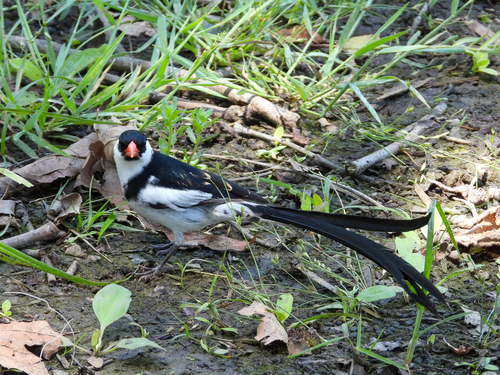 Pin-tailed Whydah
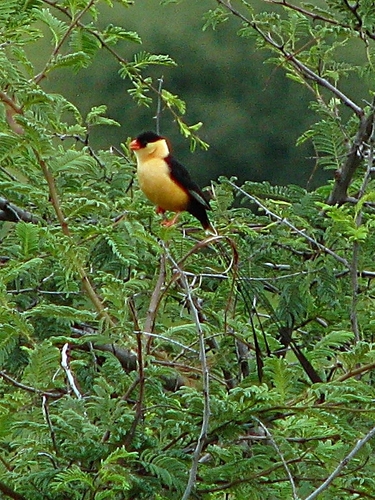 Shaft-tailed Whydah
In breve
Il segno distintivo più affidabile è la coda del maschio in riproduzione: i maschi di Pin-tailed Whydah mostrano una coda nera, lunga e dritta, con diversi streamer sottili, mentre i maschi di Shaft-tailed Whydah hanno quattro penne della coda allungate con punte espanse, non così lunghe o dritte. Fuori dalla stagione di riproduzione, entrambe le specie perdono le loro code drammatiche e diventano molto più difficili da distinguere, con entrambi i sessi e gli immaturi che mostrano un piumaggio marrone e buff simile a quello di un passero. In questa fase, differenze sottili nel motivo del viso, nel colore delle parti inferiori e nel colore del becco sono fondamentali. Le femmine e i maschi non in riproduzione di entrambe le specie sono facilmente confondibili, ma il Pin-tailed Whydah di solito mantiene un becco rosso, mentre il colore del becco dello Shaft-tailed Whydah è meno enfatizzato. In volo, cerca la forma e la lunghezza della coda nei maschi, e il colore generale e il motivo del viso nelle femmine e negli immaturi.
Consigli di identificazione
- Forma della coda del maschio in riproduzione: i maschi di Pin-tailed Whydah hanno una coda nera, lunga e dritta (fino a 20 cm), con più streamer sottili; i maschi di Shaft-tailed Whydah hanno quattro penne della coda allungate con punte espanse, non così lunghe o dritte. Questo è il miglior segno distintivo durante la stagione di riproduzione.
- Parti inferiori del maschio in riproduzione: i maschi di Pin-tailed Whydah sono bianchi sotto e sul viso (eccetto la corona); i maschi di Shaft-tailed Whydah hanno un petto e parti inferiori dorate o buff.
- Colore del becco: il Pin-tailed Whydah (tutte le età tranne i giovani immaturi) mostra un becco rosso brillante; il colore del becco dello Shaft-tailed Whydah è meno distintivo e non è descritto come rosso.
- Motivo del viso nelle femmine/immaturi: entrambe hanno motivi del viso buff e neri, ma il Pin-tailed Whydah è spesso più contrastante, specialmente con il becco rosso. Lo Shaft-tailed Whydah è generalmente più marrone oliva e meno marcato.
- Maschi non in riproduzione: entrambe le specie perdono le loro lunghe code e assomigliano alle femmine. I maschi non in riproduzione di Pin-tailed Whydah mantengono il becco rosso e un motivo del viso più contrastante; i maschi non in riproduzione di Shaft-tailed Whydah diventano marrone oliva e meno distinti.
- Colore del becco degli immaturi: gli immaturi di Pin-tailed Whydah hanno un becco più opaco, grigiastro (non rosso brillante); gli immaturi di Shaft-tailed Whydah non sono descritti specificamente, ma probabilmente sono simili alle femmine.
- Motivo delle ali: i maschi di Pin-tailed Whydah hanno ali marroni scure con macchie bianche (visibili quando sono posati); le ali dei maschi di Shaft-tailed Whydah non sono descritte come decorate.
- Silhouette in volo: in volo, i maschi in riproduzione di Pin-tailed Whydah mostrano una lunga coda dritta e fluttuante; la coda dei maschi di Shaft-tailed Whydah appare più corta e con punte espanse, non così simile a streamer.
- Aspetto posato: i maschi in riproduzione di Pin-tailed Whydah sembrano pesanti nella parte superiore e allungati a causa della coda; i maschi di Shaft-tailed Whydah sono più compatti con una coda più corta e a forma di pala.
- Contesto dell'habitat: il Pin-tailed Whydah è più probabile trovarlo in aree disturbate, giardini e popolazioni introdotte; lo Shaft-tailed Whydah è più ristretto alle praterie dell'Africa meridionale.
- Canto: se sentito, il rapido squittio e il cinguettio del Pin-tailed Whydah è distintivo; il canto dello Shaft-tailed Whydah non è descritto, quindi l'assenza di questo canto potrebbe suggerire Shaft-tailed.
- Tempistica stagionale: solo i maschi in riproduzione mostrano le lunghe code; fuori dalla stagione di riproduzione, entrambi i sessi e gli immaturi sono molto simili e richiedono un attento esame del colore del becco e del motivo del viso.
- Comportamento aggressivo: entrambe le specie possono essere territoriali e aggressive, specialmente i maschi durante la stagione di riproduzione, quindi il comportamento da solo non è un separatore affidabile.
- Ospiti parassiti: il Pin-tailed Whydah parassitizza una gamma di waxbills; lo Shaft-tailed Whydah è più specifico per il waxbill orecchi-viola, ma questo non è un segno distintivo a meno che le specie ospiti non siano osservate insieme.
- Trappola: le femmine e i maschi non in riproduzione di entrambe le specie sono molto simili e spesso separabili solo da sottili differenze nel becco e nel motivo del viso; controlla sempre per il becco rosso (Pin-tailed) e le parti inferiori dorate (maschio in riproduzione di Shaft-tailed) quando possibile.
Taglia
Entrambe le specie sono molto simili in dimensioni, con il Pin-tailed Whydah che pesa in media circa 15,8 g e lo Shaft-tailed Whydah circa 14,4 g [wikidata]. In mano o a distanza ravvicinata, questa differenza è trascurabile. Il maschio in riproduzione di Pin-tailed Whydah appare molto più grande a causa della coda estremamente lunga, ma la dimensione del corpo è quasi identica.
Piumaggio
- Maschi in riproduzione: i maschi di Pin-tailed Whydah hanno una coda nera, lunga e dritta (fino a 20 cm), corona e dorso neri, parti inferiori e testa bianche (eccetto la corona), e un becco rosso brillante. I maschi di Shaft-tailed Whydah hanno una corona e parti superiori nere, ma le parti inferiori sono dorate o buff, e la coda è composta da quattro penne nere allungate con punte espanse, non così lunghe o dritte come quelle del Pin-tailed.
- Femmine e maschi non in riproduzione: entrambe sono marroni e striate sopra, chiare sotto, con un motivo del viso buff e nero. Le femmine e gli immaturi di Pin-tailed Whydah hanno un becco rosso (immaturi più opachi, più grigi), mentre le femmine e i maschi non in riproduzione di Shaft-tailed Whydah sono marrone oliva con un colore del becco meno distintivo.
- Immaturi: entrambi assomigliano alle femmine, ma gli immaturi di Pin-tailed Whydah sono più semplici e hanno un becco grigiastro. Non è stato notato alcun motivo distintivo delle ali superiori per entrambe le specie a qualsiasi età.
- Motivo delle ali: i maschi di Pin-tailed Whydah hanno ali marroni scure con macchie bianche (visibili negli uccelli posati), che non sono descritte per Shaft-tailed Whydah.
Comportamento
Entrambe le specie sono parassiti della covata, depongono uova nei nidi di fringillidi estrildidi (Pin-tailed soprattutto waxbills, Shaft-tailed specificamente waxbill orecchi-viola). I maschi di Pin-tailed Whydah eseguono voli di corteggiamento elaborati per mostrare le loro code, mentre la mostra dei maschi di Shaft-tailed Whydah è meno descritta ma coinvolge anche la mostra della coda. Entrambi si nutrono principalmente di semi e sono spesso visti in aree aperte o vicino all'abitazione umana. Entrambi possono essere piuttosto aggressivi e territoriali durante la stagione di riproduzione.
Habitat
Entrambe le specie preferiscono habitat aperti come praterie e savane. Il Pin-tailed Whydah è diffuso in tutta l'Africa subsahariana ed è anche trovato in parchi, giardini e persino popolazioni introdotte al di fuori dell'Africa. Lo Shaft-tailed Whydah è più ristretto all'Africa meridionale, dall'Angola meridionale al Mozambico meridionale. Entrambi possono verificarsi insieme in alcune parti dell'Africa meridionale, ma il Pin-tailed è più probabile in ambienti disturbati o urbani.
Voce
Il canto del Pin-tailed Whydah è una rapida serie di squittii e cinguettii, solitamente emessi da un posatoio alto. Le vocalizzazioni dello Shaft-tailed Whydah non sono descritte nelle note disponibili, quindi il canto non è un separatore affidabile a meno che non si senta il canto distintivo del Pin-tailed.
Pin-tailed Whydah · Shaft-tailed Whydah · I miei uccelli difficili