

Pelagic Cormorant vs Neotropic Cormorant
Urile pelagicus contro Nannopterum brasilianum
Fai un quiz con Pelagic Cormorant e Neotropic Cormorant
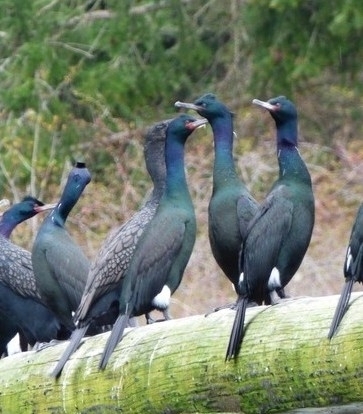 Pelagic Cormorant
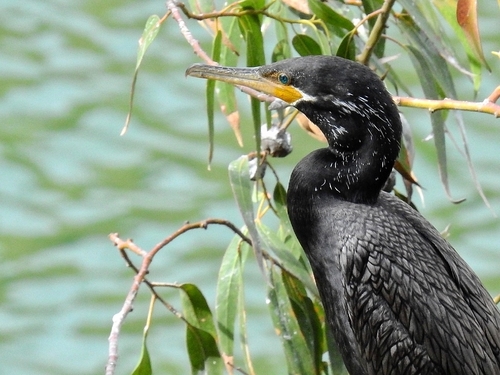 Neotropic Cormorant
In breve
Il segno distintivo più affidabile tra il Pelagic Cormorant e il Neotropic Cormorant è la struttura della pelle facciale e del becco negli adulti, specialmente durante la stagione di riproduzione: il Pelagic Cormorant mostra un becco sottile, completamente nero e una piccola macchia magenta di pelle nuda sotto l'occhio, mentre il Neotropic Cormorant ha una macchia giallo-marrone sulla gola con un bordo bianco durante la riproduzione e un collo più lungo e sottile con una macchia gular più prominente. Gli uccelli immaturi di entrambe le specie sono marroni e possono essere molto simili, ma il Pelagic Cormorant è generalmente più scuro e lucido man mano che matura, mentre il Neotropic tende a mostrare una gola più chiara e le ali superiori leggermente più grigie. In volo, il Pelagic Cormorant è più snello e ha una coda più lunga rispetto al corpo, mentre il Neotropic appare spesso con un collo e una coda proporzionalmente più lunghi e una postura del collo più a forma di S. L'habitat e l'areale sono anche indizi forti: il Pelagic è strettamente costiero nel Nord Pacifico, mentre il Neotropic si trova nei tropici e subtropici americani, spesso nell'entroterra. Le dimensioni sono molto simili, ma il Pelagic è leggermente più pesante in media.
Consigli di identificazione
- Facial skin pattern (adults, especially breeding): Il Pelagic Cormorant ha una piccola macchia magenta di pelle nuda sotto l'occhio (riproduzione), mentre il Neotropic Cormorant ha una macchia giallo-marrone sulla gola con un bordo bianco (riproduzione) o giallo-marrone uniforme (non riproduzione). Questo è il segno più affidabile a distanza ravvicinata.
- Bill shape: Il Pelagic Cormorant ha un becco lungo, sottile e completamente nero, quasi a forma di ago; il becco del Neotropic è anch'esso scuro ma leggermente più robusto e non così appuntito. Questo è sottile ma visibile in buona luce.
- Crest and head tufts (breeding adults): Il Pelagic mostra due creste corte (corona e nuca); il Neotropic non ha queste ma sviluppa piccole ciocche bianche sui lati della testa.
- White thigh patch (breeding adults): Il Pelagic Cormorant mostra cosce bianche evidenti in abito nuziale; il Neotropic non mostra mai questa caratteristica.
- Iridescence: L'adulto Pelagic Cormorant è completamente nero con una lucentezza verde metallica o viola, specialmente in buona luce; il Neotropic è nero ma meno lucido, con un'ala superiore leggermente più grigia.
- Juvenile/immature plumage: Entrambi sono marroni, ma gli immaturi del Pelagic sono più scuri in generale, privi di una gola chiara, mentre gli immaturi del Neotropic sono più marroni con una gola più chiara e talvolta un'ala superiore più grigia. Questo è sottile e non sempre affidabile a distanza.
- Neck and tail shape: Il Neotropic Cormorant spesso tiene il collo in una forma di S pronunciata, e ha una coda proporzionalmente lunga; il Pelagic è anch'esso con coda lunga ma appare più snello e con collo dritto, specialmente in volo.
- Flight silhouette: Il Pelagic Cormorant appare snello e dritto, con una lunga coda e un becco sottile; il Neotropic appare con collo e coda più lunghi, con un collo a forma di S più angolare in volo. Entrambi sono più snelli del Double-crested Cormorant.
- Habitat: Il Pelagic è strettamente costiero (spiagge rocciose, letti di alghe, insenature) nel Nord Pacifico; il Neotropic si trova in una vasta gamma di habitat, inclusi laghi, fiumi e stagni interni, così come coste e mangrovie nelle Americhe.
- Range: Se visto nell'entroterra delle Americhe, è quasi certamente Neotropic. Il Pelagic non si trova nell'entroterra.
- Behavior on land: Il Pelagic cammina con un passo alto e spesso gratta il terreno dopo l'atterraggio; il comportamento terrestre del Neotropic è meno distintivo.
- Vocalization: Il Pelagic spesso chiama (rumore gorgogliante) prima del decollo, specialmente durante la stagione di riproduzione; le chiamate del Neotropic non sono distintive per l'identificazione sul campo.
- Group foraging: Il Neotropic può cercare cibo in gruppi, a volte battendo l'acqua per radunare i pesci; il Pelagic è più spesso solitario o in piccoli gruppi.
- Sex differences: Entrambe le specie sono sessualmente monomorfiche nel piumaggio, ma la femmina del Pelagic è leggermente più piccola. Questo non è un segno utile sul campo.
- Size: Entrambi sono simili in lunghezza e apertura alare, ma il Pelagic è leggermente più pesante in media. Sul campo, le dimensioni non sono un separatore affidabile.
Taglia
Entrambe le specie sono simili in lunghezza (circa 64 cm/25 in) e apertura alare (circa 1 m/39 in) [wikipedia]. Tuttavia, il Pelagic Cormorant è leggermente più pesante (1.500–2.400 g) rispetto al Neotropic Cormorant (1.100–1.500 g per i maschi, con le femmine leggermente più leggere) [wikipedia][avonet]. Sul campo, questa differenza è sottile e di solito non è diagnostica. Entrambi sono visibilmente più piccoli e snelli rispetto al Double-crested Cormorant, ma il Neotropic è particolarmente snello e con coda lunga per le sue dimensioni.
Piumaggio
Gli uccelli giovanili e immaturi di entrambe le specie sono marroni, ma gli immaturi del Pelagic Cormorant sono più scuri in generale, con meno contrasto tra le parti superiori e inferiori, e privi della macchia chiara sulla gola del Neotropic. I giovanili del Neotropic Cormorant sono marroni con una gola più chiara e ali superiori leggermente più grigie, a volte dando un aspetto più bicolore. Nell'abito nuziale non riproduttivo, il Pelagic è completamente nero con iridescenza metallica, mentre il Neotropic è nero con una macchia giallo-marrone sulla gola. In abito nuziale, il Pelagic sviluppa due creste corte (corona e nuca), cosce bianche e una vivida macchia facciale magenta; il Neotropic mostra ciocche bianche sui lati della testa, filopiume bianchi sparsi e una macchia giallo-marrone sulla gola con bordo bianco. L'ala superiore del Neotropic è un po' più grigia rispetto al resto del corpo, ma questo è sottile. Il modello della pelle facciale è la differenza più consistente negli adulti. Entrambe le specie hanno becchi completamente scuri, ma quello del Pelagic è più sottile e più simile a un ago.
Comportamento
Il Pelagic Cormorant è goffo sulla terra, cammina con un passo alto e spesso gratta il terreno dopo l'atterraggio. Di solito chiama prima di decollare, specialmente durante la stagione di riproduzione. Il Neotropic Cormorant tiene spesso il collo in una forma a S e cerca cibo sia da solo che in gruppi, a volte battendo l'acqua per radunare i pesci. Entrambe le specie si tuffano per cercare prede usando i piedi per la propulsione. Il Pelagic tende a cercare cibo nei letti di alghe e nelle insenature rocciose, mentre il Neotropic è più versatile, utilizzando sia le acque costiere che quelle interne. Dopo la ricerca di cibo, entrambe le specie adottano una postura di asciugatura con le ali aperte.
Habitat
Il Pelagic Cormorant è strettamente costiero lungo il Pacifico settentrionale, preferendo spiagge rocciose, letti di alghe e insenature riparate, e raramente si trova nell'entroterra. Il Neotropic Cormorant è diffuso nei tropici e subtropici americani, si trova sulle coste, nelle mangrovie e comunemente in laghi, stagni e fiumi interni. Se vedi un piccolo cormorano ben nell'entroterra delle Americhe, è quasi certamente Neotropic. L'overlap è limitato all'estrema costa meridionale e occidentale degli Stati Uniti, dove è necessaria un'attenzione particolare alla pelle facciale e alla struttura.
Voce
Il Pelagic Cormorant è noto per chiamare prima del decollo, specialmente durante la stagione di riproduzione, con un rumore gorgogliante. Le vocalizzazioni del Neotropic Cormorant non sono descritte nelle fonti e non sono un segno affidabile per la separazione.
Pelagic Cormorant · Neotropic Cormorant · I miei uccelli difficili