

Crociere delle pinete vs Crociere comune
Loxia pytyopsittacus contro Loxia curvirostra
Fai un quiz con Crociere delle pinete e Crociere comune
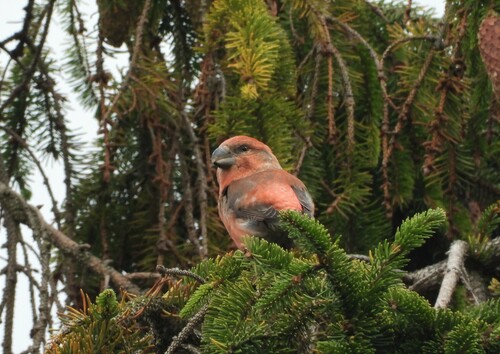 Crociere delle pinete
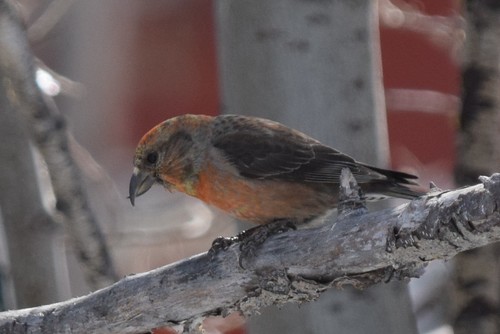 Crociere comune
In breve
Crociere delle pinete e Crociere comune sono notoriamente difficili da separare sul campo, specialmente per quanto riguarda il piumaggio, che è altamente variabile e sovrapposto in entrambe le specie. Il segno distintivo più affidabile è il becco: la Crociere delle pinete ha un becco visibilmente più profondo, pesante e smussato, con una testa più grande e un aspetto più robusto, mentre la Crociere comune è più snella e delicata. La dimensione può essere utile, poiché la Crociere delle pinete è più massiccia e pesante, ma c'è sovrapposizione. I richiami sono spesso il miglior separatore, con la Crociere delle pinete che emette un 'choop' o 'tyuup' più profondo e duro rispetto ai richiami più variabili della Crociere comune. In tutte le età e sessi, è necessaria estrema cautela, e molti individui non possono essere identificati in modo sicuro senza vocalizzazioni.
Consigli di identificazione
- Bill size and shape: La Crociere delle pinete ha un becco visibilmente più profondo, spesso e smussato, con una testa più grande e arrotondata. Di profilo, il becco appare massiccio e simile a quello di un pappagallo. Questo è il miglior indizio strutturale, ma fai attenzione alla sovrapposizione con le Crociere comune dal becco grande e le Crociere delle pinete piccole.
- Overall bulk: La Crociere delle pinete è più massiccia e pesante, con un collo e un petto più potenti, rispetto alla Crociere comune, che è più snella e leggera. Questo è meglio giudicato in confronto diretto o con esperienza.
- Plumage color: Entrambe le specie mostrano piumaggio altamente variabile, con maschi rossi/arancioni e femmine verdi/gialle. Non usare il colore da solo per l'identificazione, poiché c'è una sovrapposizione estesa e più variazione all'interno delle specie che tra di esse.
- Juvenile/immature plumage: I giovani di entrambe le specie sono grigio-verdi e striati, senza differenze diagnostiche notate. Il modello delle ali non è utile, poiché entrambe mancano di barre alari e hanno ali scure e semplici.
- Flight and perched jizz: La Crociere delle pinete appare più pesante e con un collo spesso sia in volo che quando è posata. La Crociere comune è più snella e meno robusta.
- Vocalizations: Il richiamo della Crociere delle pinete è un 'choop' o 'tyuup' profondo e duro, con un tono più basso rispetto a qualsiasi richiamo della Crociere comune. I richiami della Crociere comune sono più variabili, generalmente più acuti e meno risonanti. Prova sempre a registrare e confrontare i richiami se possibile.
- Feeding behavior: Entrambe le specie si nutrono di coni di conifere, ma la Crociere delle pinete è più specializzata sul pino silvestre. In stormi misti, cerca uccelli che si nutrono di grandi e robusti coni di pino con facilità: questi potrebbero essere Crociere delle pinete.
- Habitat: La Crociere delle pinete è più probabile trovarla in foreste di pini mature, specialmente nel nord Europa e in Scozia. La Crociere comune può verificarsi in una gamma più ampia di habitat di conifere ed è più probabile che appaia improvvisamente durante le irruzioni.
- Flock composition: Entrambe le specie possono verificarsi in stormi misti, specialmente al di fuori della stagione riproduttiva. Non assumere che tutti gli uccelli in uno stormo siano la stessa specie: controlla attentamente ogni individuo.
- Range and context: In aree dove entrambe le specie sono possibili, come la Scozia, l'identificazione deve essere fatta con estrema cautela. Nel sud Europa, le crociere dal becco grande possono essere Crociere delle pinete o tipi di Crociere comune dal becco grande, e la ricerca è in corso.
- Sex and age: Non ci sono segni distintivi affidabili specifici per sesso o età che separano queste due specie; tutte le età e i sessi sono simili variabili.
- Mandible crossing: Entrambe le specie hanno mandibole incrociate, quindi questa caratteristica non aiuta a separarle.
- Size in hand: Se si maneggiano gli uccelli (ad esempio, da parte di anellatori), la Crociere delle pinete peserà di più e avrà un becco più grande, ma esiste sovrapposizione e le misurazioni devono essere precise.
- When in doubt: Se non puoi valutare con sicurezza la dimensione/forma del becco o ottenere un richiamo chiaro, è più sicuro lasciare l'uccello non identificato a specie.
- Photographic evidence: Buone foto laterali che mostrano la profondità del becco e la dimensione della testa, o registrazioni audio chiare, sono essenziali per la documentazione. Evita di fare affidamento su singoli segni distintivi o visioni fugaci.
Taglia
La Crociere delle pinete è nettamente più massiccia e pesante della Crociere comune, con una massa corporea media di 54 g (intervallo 44–58,2 g), rispetto alla Crociere comune generalmente più leggera (non ci sono medie precise nelle note, ma è costantemente descritta come più snella). La Crociere delle pinete misura 16–18 cm di lunghezza con un'apertura alare di 27–31 cm, rendendola leggermente più grande nel complesso. Sul campo, questo si traduce in un'impressione più robusta e massiccia per la Crociere delle pinete, mentre la Crociere comune appare più snella e meno pesante.
Piumaggio
Il piumaggio non è un separatore affidabile tra queste due specie a qualsiasi età. Entrambi i maschi adulti sono rossi o arancioni, le femmine verdi o gialle, e i giovani sono grigio-verdi e striati. C'è più variazione all'interno di ciascuna specie che tra di esse, e non sono notate differenze costanti nel modello delle ali o nel volo specifiche per età. Entrambi hanno ali scure senza barre alari (a differenza della Crociere fasciato), e le mandibole incrociate sono presenti in tutte le età. Pertanto, il piumaggio non dovrebbe essere utilizzato per la separazione, e l'errata identificazione è comune se si usa solo il colore.
Comportamento
Entrambe le specie formano stormi al di fuori della stagione riproduttiva, spesso mescolandosi tra loro e con altre specie di crociere. La Crociere delle pinete è più residente, tendendo a rimanere nella stessa area a meno che il cibo non venga a mancare, mentre la Crociere comune è altamente nomade e irruzione, muovendosi ampiamente in risposta ai raccolti di coni. Sul campo, questo significa che le Crociere comune possono apparire improvvisamente e in gran numero, mentre le Crociere delle pinete sono più probabili da trovare in foreste di pini tradizionali tutto l'anno. Entrambe le specie si nutrono in modo acrobatico di coni di conifere usando i loro becchi incrociati.
Habitat
La Crociere delle pinete è fortemente associata a foreste di pini mature nel nord e nel nord-est dell'Europa, specialmente il pino silvestre. È principalmente residente in questi habitat. La Crociere comune ha una tolleranza abitativa molto più ampia, riproducendosi in una varietà di foreste di conifere in Eurasia e Nord America, ed è altamente irruzione, apparendo ovunque i raccolti di coni sono abbondanti. In aree dove entrambe si verificano (ad esempio, Scozia, nord Europa), l'habitat da solo non è diagnostico, ma la Crociere delle pinete è più probabile in ampie foreste di pini mature.
Voce
Le vocalizzazioni sono spesso l'unico modo affidabile per separare queste specie sul campo. La Crociere delle pinete emette un richiamo 'choop' o 'tyuup' più profondo e duro, che è distintamente più basso e più risonante rispetto ai richiami della Crociere comune. La Crociere comune ha una vasta gamma di tipi di richiami, generalmente più acuti e meno netti. È consigliato ascoltare attentamente e, idealmente, registrare e analizzare i richiami per un'identificazione sicura.
Crociere delle pinete · Crociere comune · I miei uccelli difficili