

Parakeet Auklet vs Marbled Murrelet
Aethia psittacula contro Brachyramphus marmoratus
Fai un quiz con Parakeet Auklet e Marbled Murrelet
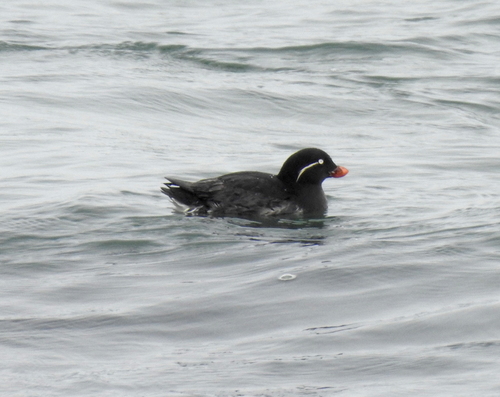 Parakeet Auklet
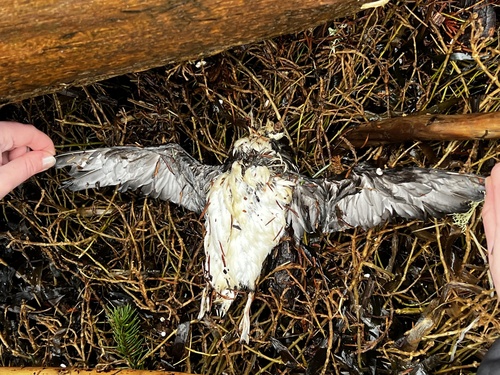 Marbled Murrelet
In breve
Il segno distintivo più affidabile per separare il Parakeet Auklet dal Marbled Murrelet è il becco: il Parakeet Auklet ha un becco corto, spesso, di un brillante arancione con una curva ascendente distintiva, mentre il Marbled Murrelet ha un becco sottile, dritto e nero. In volo o a riposo, il Parakeet Auklet mostra una chiara piuma bianca sul viso dietro l'occhio e un forte contrasto tra le parti superiori scure e le parti inferiori bianche, mentre il Marbled Murrelet non ha la piuma e presenta un piumaggio più variabile, maculato stagionalmente. Il Marbled Murrelet è leggermente più grande e snello, con ali appuntite e una silhouette più aerodinamica, meno compatta. Entrambe le specie possono apparire simili nel piumaggio non riproduttivo, ma la forma del becco e il motivo facciale rimangono diagnostici.
Consigli di identificazione
- Bill shape and color: Il Parakeet Auklet ha un becco corto, spesso, di un brillante arancione con una curva ascendente pronunciata, visibile anche da lontano; il Marbled Murrelet ha un becco sottile, dritto e nero. Questa è la separazione più affidabile in tutti i piumaggi e le età.
- White face plume: Solo il Parakeet Auklet mostra una chiara piuma bianca che si estende indietro dall'occhio; il Marbled Murrelet non mostra mai questa caratteristica.
- Facial pattern: Il viso del Parakeet Auklet è scuro con una piuma bianca, mentre il Marbled Murrelet nel piumaggio non riproduttivo ha una gola e un collare bianchi, e una corona e una nuca scure, ma senza piuma.
- Body shape ('jizz'): Il Parakeet Auklet è compatto e robusto, con un collo e una coda corti; il Marbled Murrelet è più allungato, con un profilo più snello e ali appuntite.
- Plumage contrast: Il Parakeet Auklet mostra sempre un forte contrasto tra le parti superiori scure e le parti inferiori bianche; il Marbled Murrelet può apparire simile in inverno, ma gli uccelli in riproduzione diventano maculati di marrone in generale, perdendo il contrasto netto.
- Upperwing pattern: Non è descritto alcun motivo distintivo per le ali giovanili o immature per entrambe le specie, ma le ali e il corpo compatti del Parakeet Auklet sono distintivi in volo rispetto alle ali più appuntite del Marbled Murrelet.
- Bill color in flight: Il becco arancione del Parakeet Auklet può a volte essere visto anche in volo, specialmente in buona luce; il becco del Marbled Murrelet è sempre nero e meno evidente.
- Habitat context: Se visto nell'entroterra o vicino a grandi conifere vetuste, il Marbled Murrelet è molto più probabile; il Parakeet Auklet è strettamente costiero e pelagico.
- Group size: Il Parakeet Auklet può essere visto in gruppi vicino a colonie; il Marbled Murrelet è tipicamente solitario o in coppie in mare.
- Vocalizations: Solo il Parakeet Auklet è probabile che venga sentito chiamare, specialmente nei siti di nidificazione; il Marbled Murrelet è solitamente silenzioso in campo.
- Seasonal change: Il Marbled Murrelet mostra una forte variazione stagionale, con piumaggio riproduttivo maculato di marrone (primavera-estate) e parti inferiori bianche in inverno; il Parakeet Auklet cambia poco tra le stagioni.
- Tail and neck: Il Parakeet Auklet ha una coda e un collo più corti, contribuendo al suo aspetto compatto; le proporzioni del Marbled Murrelet sono più allungate.
- Size: Il Marbled Murrelet è leggermente più grande (25 cm contro 23 cm), ma questo è raramente diagnostico senza un confronto diretto.
- Feeding behavior: Entrambi si tuffano per cercare cibo, ma il Parakeet Auklet spesso raccoglie oggetti dal fondo del mare, a volte a profondità maggiori.
- Common pitfalls: In scarsa luce o a distanza, il Marbled Murrelet nel piumaggio non riproduttivo può sembrare simile al Parakeet Auklet, ma il becco e la piuma facciale rimangono punti di separazione affidabili.
Taglia
Il Parakeet Auklet ha una lunghezza media di circa 23 cm, mentre il Marbled Murrelet è leggermente più grande a 25 cm. La differenza è sottile e non sempre ovvia sul campo, ma il Marbled Murrelet è anche più snello e meno robusto nel complesso. Il corpo del Parakeet Auklet appare più compatto, con un collo e una coda più corti, mentre il Marbled Murrelet è più allungato e aerodinamico. La dimensione del becco è una differenza strutturale chiave: il becco del Parakeet Auklet è spesso, corto e di un brillante arancione, mentre il becco del Marbled Murrelet è sottile, dritto e nero. [wikipedia][avonet]
Piumaggio
I piumaggi giovanili e immature non sono dettagliati nelle fonti, ma i contrasti chiave si applicano a tutte le età nel piumaggio non riproduttivo. Il Parakeet Auklet mostra sempre una chiara piuma bianca sul viso che si estende dietro l'occhio, una caratteristica assente nel Marbled Murrelet in tutte le età e stagioni. Il Parakeet Auklet ha parti superiori scure e parti inferiori bianche pulite, con poco cambiamento stagionale; il viso è scuro con la piuma bianca. Il Marbled Murrelet nel piumaggio non riproduttivo ha parti inferiori bianche, corona nera, nuca, ali e schiena, e un collare bianco (non presente nel Parakeet Auklet). Nel piumaggio riproduttivo, il Marbled Murrelet diventa maculato di marrone in generale, perdendo il netto contrasto bianco e scuro del Parakeet Auklet. Il Marbled Murrelet non mostra mai una piuma bianca sul viso o il becco arancione rivolto verso l'alto. Entrambe le specie hanno ali superiori scure in volo, ma la forma compatta e il motivo facciale del Parakeet Auklet rimangono distintivi.
Comportamento
Il Parakeet Auklet è spesso visto vicino a colonie di nidificazione su scogliere remote, a volte in gruppi misti di auklet, e tende a essere più vocale nel nido. Si nutre tuffandosi e raccogliendo cibo dal fondo del mare, spesso lontano dalla costa. Il Marbled Murrelet è meno probabile che venga visto in grandi gruppi, si nutre da solo o in coppie, ed è noto per il suo comportamento di nidificazione unico: vola nell'entroterra per nidificare in foreste vetuste, a volte lontano dalla costa. In volo, il Parakeet Auklet appare compatto e veloce, mentre il Marbled Murrelet è più aerodinamico e galleggiante, con ali appuntite.
Habitat
Il Parakeet Auklet nidifica su scogliere remote e rocciose nel Nord Pacifico (Alaska, Kamchatka, Siberia) ed è raramente visto nell'entroterra. Il Marbled Murrelet, pur essendo anche un uccello marino del Nord Pacifico, è unico tra gli alcidi per nidificare in foreste vetuste, a volte fino a 80 km nell'entroterra, o a terra ad alte latitudini. In mare, il Marbled Murrelet si trova solitamente più vicino alla costa, specialmente vicino a coste boscose, mentre il Parakeet Auklet è più pelagico e associato a isole offshore. Se osservato nell'entroterra o vicino a grandi conifere, il Marbled Murrelet è molto più probabile.
Voce
Il Parakeet Auklet è altamente vocale nel nido, emettendo richiami rauchi ritmici e squittii tremolanti, specialmente durante le interazioni di coppia e la difesa del territorio. Il Marbled Murrelet è generalmente silenzioso in mare e non è noto per vocalizzazioni appariscenti sul campo. Se senti una serie di richiami rauchi e ritmici vicino a un sito di nidificazione, è più probabile che sia un Parakeet Auklet; il Marbled Murrelet è improbabile che venga rilevato per voce in situazioni tipiche sul campo.
Parakeet Auklet · Marbled Murrelet · I miei uccelli difficili