

Palm Warbler vs Prairie Warbler
Setophaga palmarum contro Setophaga discolor
Fai un quiz con Palm Warbler e Prairie Warbler
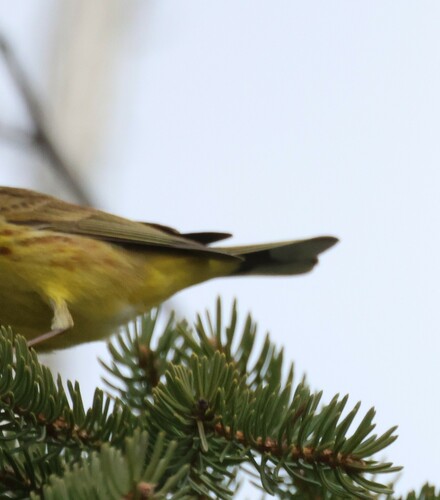 Palm Warbler
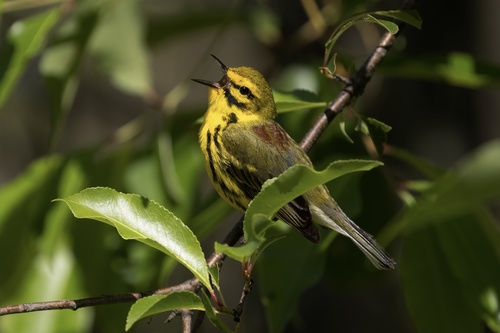 Prairie Warbler
In breve
Il segno distintivo più affidabile per separare il Palm Warbler dal Prairie Warbler è il costante movimento della coda del Palm Warbler, che è ancora più pronunciato rispetto al Prairie Warbler. Nel piumaggio, il Prairie Warbler mostra una marcata linea nera attorno all'occhio e un distintivo arco nero semicircolare sotto l'occhio, mentre il Palm Warbler manca di questi segni facciali ma può mostrare un cappuccio rugginoso durante il piumaggio nuziale. Entrambe le specie sono piccoli warbler giallastri che pompono frequentemente le loro code, ma il Palm Warbler è leggermente più pesante e cerca cibo più spesso a terra. Fai particolare attenzione con gli immaturi e le femmine più opachi, dove le striature e l'intensità del colore possono sovrapporsi.
Consigli di identificazione
- Movimento della coda: Il Palm Warbler muove la sua coda quasi costantemente, anche quando è fermo; il Prairie Warbler muove anch'esso la coda, ma meno persistentemente. Usa questo comportamento come indizio principale sul campo, specialmente a terra.
- Schema facciale: Il Prairie Warbler ha una marcata linea nera attorno all'occhio e un arco nero semicircolare sotto l'occhio, dando un aspetto 'stanco'. Il Palm Warbler manca di questi segni facciali ma può mostrare un cappuccio rugginoso (specialmente nei maschi in riproduzione della sottospecie orientale).
- Colore del cappuccio: I Palm Warbler in riproduzione mostrano spesso un cappuccio rugginoso o rufous, specialmente nella sottospecie orientale; il Prairie Warbler non mostra mai questa caratteristica.
- Striature delle parti inferiori: Entrambe le specie hanno parti inferiori gialle con striature, ma le striature del Prairie Warbler sono concentrate sui fianchi e di solito sono più scure e definite nei maschi. Le striature del Palm Warbler sono variabili, con gli uccelli orientali che mostrano striature rugginose marcate, mentre gli uccelli occidentali sono molto più opachi.
- Bande alari: Il Prairie Warbler mostra sempre due bande alari deboli; le bande alari del Palm Warbler sono meno distinte e non sono un segno distintivo forte.
- Schema della coda in volo: Il Prairie Warbler ha grandi macchie bianche sulla coda visibili in volo e quando è aperta; il Palm Warbler manca di queste macchie bianche sulla coda.
- Colore della schiena: I maschi del Prairie Warbler hanno schiene olivastre con striature castanee; la schiena del Palm Warbler è bruno-olivastra (orientale) o grigio-bruna (occidentale), senza striature castanee.
- Ricerca di cibo a terra: Il Palm Warbler è frequentemente visto mentre cerca cibo a terra; il Prairie Warbler è più spesso tra i cespugli e gli alberi bassi.
- Habitat: Durante la migrazione e l'inverno, il Palm Warbler è comune in aree aperte, incolte o erbose, comprese le aiuole e i campi. Il Prairie Warbler preferisce habitat cespugliosi o arbustivi ed è meno probabile che venga visto a terra.
- Variazione delle sottospecie: Fai attenzione al fatto che i Palm Warbler occidentali sono più opachi e meno gialli, il che può sovrapporsi con i Prairie Warbler opachi, specialmente immaturi e femmine. In questi casi, fai affidamento sullo schema facciale e sul comportamento della coda.
- Trappole di sesso/età: Le femmine e gli immaturi del Prairie Warbler sono più opachi, con striature più deboli e meno contrasto, ma mostrano ancora l'arco facciale e la linea dell'occhio. Gli immaturi del Palm Warbler possono mancare di un cappuccio forte ma non mostrano comunque lo schema facciale del Prairie.
- Dimensioni: Il Palm Warbler è leggermente più pesante e lungo, ma questo non è un segno distintivo affidabile a causa della sovrapposizione.
- Voce: Se udito, il canto del Palm Warbler è un trill ronzante; le vocalizzazioni del Prairie Warbler non sono descritte qui, quindi non fare affidamento sul canto per la separazione a meno che non sia noto da altre fonti.
- Contesto stagionale: Il Palm Warbler è un migratore precoce e può essere trovato in aree costiere in inverno; il Prairie Warbler è più limitato ai periodi di riproduzione e migrazione in habitat cespugliosi.
- Jizz: Il Palm Warbler appare spesso più orizzontale e cammina o salta a terra; il Prairie Warbler è più eretto e attivo nella vegetazione bassa.
Taglia
Il Palm Warbler è leggermente più grande e pesante, con una lunghezza di 12–14 cm e un peso di 8.5–14.2 g, rispetto ai 11–13 cm e circa 7.5 g del Prairie Warbler. La differenza è sottile e di solito non è diagnostica sul campo, ma il Palm Warbler può apparire un po' più robusto, specialmente a terra. Entrambi sono piccoli warbler e la sovrapposizione delle dimensioni è considerevole.
Piumaggio
Gli immaturi e le femmine del Prairie Warbler sono più opachi, con striature più deboli e meno contrasto, ma mostrano comunque il principale schema facciale: una linea nera attorno all'occhio e un arco nero semicircolare sotto l'occhio. I maschi adulti hanno schiene olivastre con striature castanee e parti inferiori gialle con striature scure sui fianchi. Il Prairie Warbler ha sempre due bande alari deboli e grandi macchie bianche sulla coda. Il Palm Warbler, durante il piumaggio nuziale, mostra un cappuccio rugginoso (specialmente nella sottospecie orientale), parti inferiori gialle (più estese nella forma orientale) e meno contrasto facciale—nessun arco nero o forte linea dell'occhio. I Palm Warbler occidentali sono più opachi, con parti superiori grigio-brune e meno giallo sotto. Entrambe le specie hanno parti inferiori gialle con striature, ma lo schema facciale è la differenza più affidabile. In volo, le macchie bianche sulla coda del Prairie Warbler sono prominenti; il Palm Warbler manca di questa caratteristica.
Comportamento
Entrambe le specie pompono o muovono le loro code, ma il Palm Warbler lo fa quasi costantemente e in modo più vigoroso, anche quando cerca cibo a terra. Il Prairie Warbler muove anch'esso la coda, ma meno persistentemente. Il Palm Warbler è molto più probabile che venga visto camminare o saltare a terra, mentre il Prairie Warbler è più arboricolo e cerca cibo tra i cespugli e gli alberi bassi.
Habitat
Il Palm Warbler si trova spesso in aree aperte, torbiere e bordi, ed è unico tra i warbler per la sua frequente ricerca di cibo a terra. Durante la migrazione e l'inverno, può essere trovato in una vasta gamma di habitat aperti, comprese le aree incolte, il cespuglio costiero e persino i prati. Il Prairie Warbler preferisce campi cespugliosi, giovani seconde crescita e boschi aperti, specialmente con cespugli sparsi o piccoli alberi. Può verificarsi sovrapposizione durante la migrazione, ma il Prairie Warbler è meno probabile che venga visto a terra.
Voce
Il canto del Palm Warbler è un trill ronzante monotono, e il suo richiamo è un 'chek' acuto. Il canto e i richiami del Prairie Warbler non sono descritti nelle note fornite, quindi le vocalizzazioni non sono un separatore affidabile basato su queste informazioni.