

Gabbiano di Pallas vs Sooty Gull
Ichthyaetus ichthyaetus contro Ichthyaetus hemprichii
Fai un quiz con Gabbiano di Pallas e Sooty Gull
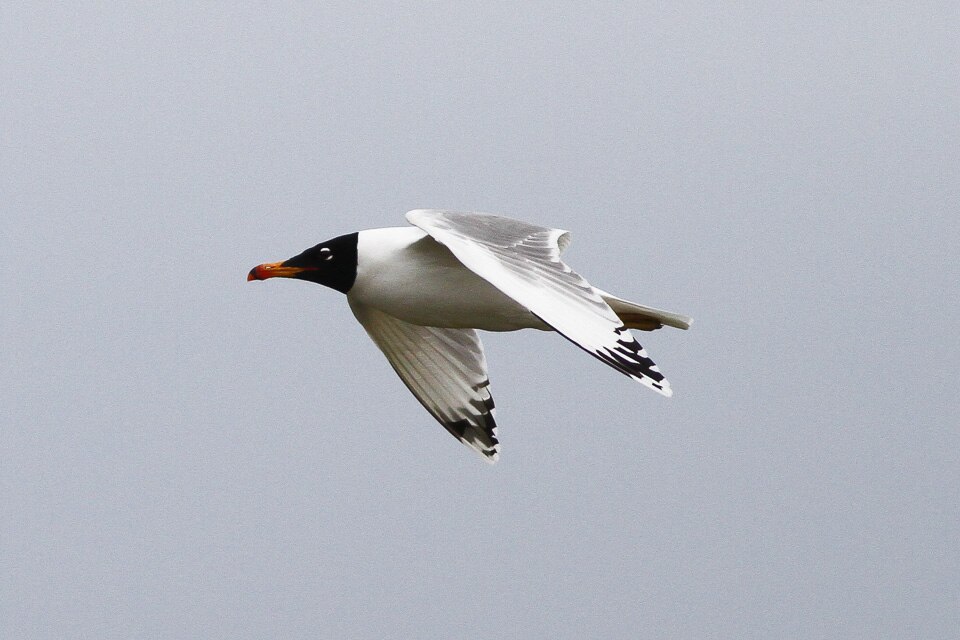 Gabbiano di Pallas
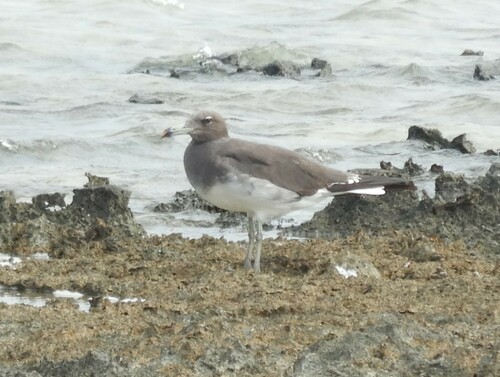 Sooty Gull
In breve
Il segno di campo più affidabile tra il Gabbiano di Pallas e il Sooty Gull è la dimensione e il modello della testa: il Gabbiano di Pallas è un gabbiano massiccio con un audace cappuccio nero negli adulti estivi, mentre il Sooty Gull è nettamente più piccolo e non mostra mai un cappuccio nero completo. In tutte le livree, il Gabbiano di Pallas mostra una struttura più pesante e, al di fuori della riproduzione, una maschera oculare scura piuttosto che un cappuccio completo. Il Sooty Gull ha un mantello e ali superiori molto più scuri e manca dei colpi d'occhio bianchi sorprendenti del Gabbiano di Pallas. Gli uccelli immaturi e non in riproduzione sono spesso confusi, ma un'attenta attenzione alla dimensione complessiva, al modello della testa e alla colorazione delle ali li separerà sul campo.
Consigli di identificazione
- Size is the first check: Il Gabbiano di Pallas è molto più grande e massiccio rispetto al Sooty Gull. Se l'uccello sembra enorme e con un becco pesante, specialmente tra gli altri gabbiani, è probabile che sia il Gabbiano di Pallas.
- Breeding adult head pattern: Solo il Gabbiano di Pallas ha un cappuccio nero completo in estate. Il Sooty Gull non mostra mai questo; la sua testa è scura con un crescente oculare bianco.
- Non-breeding/immature head pattern: Il Gabbiano di Pallas mostra una maschera oculare scura su una testa chiara, anche in livree non riproduttive e immaturi. La testa del Sooty Gull è scura ma manca di un modello netto, simile a una maschera.
- Mantle and upperwing color: Il Gabbiano di Pallas ha un mantello e ali superiori grigio chiaro; il Sooty Gull è molto più scuro, con parti superiori bruno-nerastre.
- Wingtip pattern: Gli adulti del Gabbiano di Pallas hanno grandi e conspicui 'specchi' bianchi alle punte delle ali, visibili in volo e a riposo. Le punte delle ali del Sooty Gull sono scure, senza grandi macchie bianche.
- Leg and bill color: Il Gabbiano di Pallas ha zampe gialle e un becco giallo-arancione con una punta rossa (adulto); i colori delle zampe e del becco del Sooty Gull sono meno brillanti e non così distintivi.
- Structure: Il Gabbiano di Pallas appare con ali lunghe, testa grande e becco pesante; il Sooty Gull è più snello e delicato.
- Juvenile/immature upperwing: I giovani Gabbiani di Pallas sviluppano rapidamente parti superiori grigie e mostrano più contrasto nelle ali rispetto al Sooty Gull, che è complessivamente più scuro e uniforme.
- Habitat context: I siti interni o d'acqua dolce favoriscono il Gabbiano di Pallas; le località strettamente costiere, specialmente nel Mar Rosso o nell'Oceano Indiano, favoriscono il Sooty Gull.
- Behavior in mixed flocks: Il Gabbiano di Pallas spesso domina a causa della dimensione; il Sooty Gull è meno assertivo.
- Voice: Se sentito, il profondo 'aargh' del Gabbiano di Pallas è distintivo; i richiami del Sooty Gull sono meno profondi e meno diagnostici.
- Bill tip: La punta rossa del becco del Gabbiano di Pallas è un buon segno negli adulti, specialmente a distanza ravvicinata.
- Season: Solo il Gabbiano di Pallas mostra un cappuccio nero completo, e solo in estate; il Sooty Gull non lo fa mai, indipendentemente dalla stagione.
- Geographic range: Il Sooty Gull è limitato alle coste tropicali e subtropicali dell'Oceano Indiano occidentale; il Gabbiano di Pallas è più diffuso e spesso si trova nell'entroterra.
- Pitfall: I Gabbiani di Pallas immaturi e non in riproduzione possono sembrare avere la testa scura, ma la maschera è sempre più netta rispetto alla testa scura e diffusa del Sooty Gull.
Taglia
Il Gabbiano di Pallas è drammaticamente più grande: la massa corporea media è di circa 1394 g [wikidata], con una lunghezza di 55–72 cm e un'apertura alare di 142–170 cm [wikipedia]. Il Sooty Gull è notevolmente più piccolo (nessuna massa diretta fornita, ma non si avvicina mai alla massa del Gabbiano di Pallas). Sul campo, il Gabbiano di Pallas appare enorme e con un becco pesante, sovrastando il Sooty Gull. Quando entrambi sono presenti, il divario di dimensione è ovvio; anche singolarmente, il Gabbiano di Pallas appare con una testa grande e ali lunghe rispetto a qualsiasi altro gabbiano con testa nera.
Piumaggio
Per gli adulti in livrea riproduttiva, il Gabbiano di Pallas è inconfondibile: ha un cappuccio nero jet completo, un mantello grigio chiaro e ali superiori, e grandi specchi bianchi alle punte delle ali. Le sue zampe sono gialle e il becco è giallo-arancione con una punta rossa. Gli adulti del Sooty Gull non mostrano mai un cappuccio nero completo; invece, hanno una testa scura con un crescente oculare bianco e un mantello e ali superiori molto più scuri e bruno-nerastri. Nelle livree non riproduttive e immaturi, il Gabbiano di Pallas perde il cappuccio completo ma mantiene una maschera oculare scura, mentre la testa del Sooty Gull rimane scura ma manca di una maschera netta. I giovani Gabbiani di Pallas sviluppano rapidamente parti superiori grigie, ma impiegano quattro anni per maturare; il loro modello di ali è sempre più chiaro e contrastante rispetto al Sooty Gull, che è complessivamente più scuro e uniforme. Gli 'specchi' bianchi sulle punte delle ali del Gabbiano di Pallas sono diagnostici in tutti tranne che nei più giovani, mentre le punte delle ali del Sooty Gull sono scure senza grandi macchie bianche.
Comportamento
Entrambe le specie sono gabbiani tipici nel comportamento, spesso visti a cercare cibo o a riposare vicino all'acqua. Il Gabbiano di Pallas, a causa della sua dimensione, spesso domina i gruppi di alimentazione e può apparire più pesante in volo. Il Sooty Gull è più agile e meno imponente, spesso visto a cercare cibo lungo le coste o tra altri uccelli marini. Il Gabbiano di Pallas può essere più probabile da vedere nell'entroterra o in grandi laghi, mentre il Sooty Gull è più strettamente costiero.
Habitat
Il Gabbiano di Pallas nidifica in zone umide e laghi interni, specialmente in Asia centrale, e sverna lungo le coste e grandi corpi d'acqua. Il Sooty Gull è uno specialista costiero, trovato principalmente lungo le coste del Mar Rosso, del Mare Arabico e dell'Oceano Indiano, raramente avventurandosi lontano nell'entroterra. Se sei lontano dal mare, è molto più probabile vedere il Gabbiano di Pallas; sulle coste tropicali o subtropicali, specialmente nell'Oceano Indiano occidentale, ci si aspetta il Sooty Gull.
Voce
Il Gabbiano di Pallas emette un profondo grido 'aargh', che è più basso e più risonante rispetto ai richiami tipici del Sooty Gull. La voce del Sooty Gull non è descritta in dettaglio nelle note fornite, ma è generalmente meno profonda e meno distintiva rispetto a quella del Gabbiano di Pallas.