

Pale-tailed Barbthroat vs Broad-tipped Hermit
Threnetes leucurus contro Anopetia gounellei
Fai un quiz con Pale-tailed Barbthroat e Broad-tipped Hermit
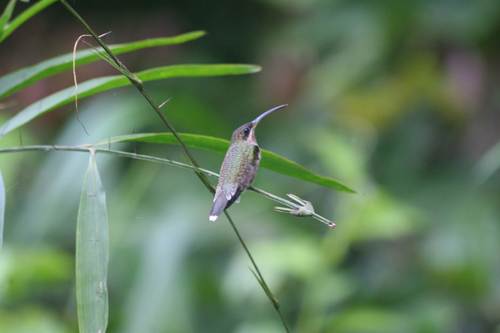 Pale-tailed Barbthroat
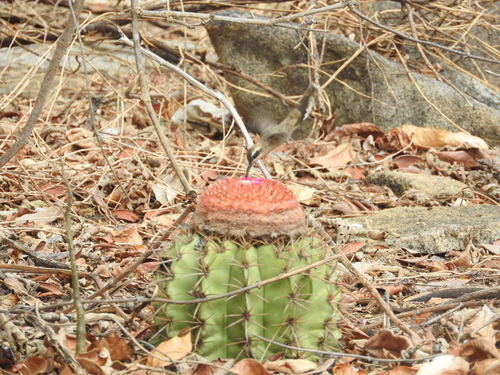 Broad-tipped Hermit
In breve
Il segno distintivo più affidabile tra Pale-tailed Barbthroat e Broad-tipped Hermit è la coda: Pale-tailed Barbthroat mostra una coda per lo più scura con toni chiari o ocra variabili sulle piume esterne, mentre Broad-tipped Hermit ha due piume della coda interne notevolmente allungate e tutte le piume della coda con la punta bianca. Entrambi hanno parti superiori verde bronzato e strisce facciali, ma Broad-tipped Hermit è più piccolo, più leggero e ha un becco unico, largo e sovrapposto. I modelli specifici delle ali superiori dei giovani non sono descritti per nessuna delle due specie, quindi le caratteristiche della coda e strutturali sono fondamentali. Fai attenzione al colore della gola e del ventre, poiché entrambi possono mostrare toni ocra o rugginosi, ma la forma della coda e del becco sono costantemente diagnostiche.
Consigli di identificazione
- La struttura della coda è il segno distintivo più decisivo: Broad-tipped Hermit mostra sempre due piume della coda interne notevolmente allungate e tutte le piume della coda con la punta bianca. Pale-tailed Barbthroat manca di piume della coda interne allungate e mostra invece una coda per lo più scura con bordi delle piume esterne chiari o ocra variabili (dipendente dalla sottospecie).
- Forma del becco: Broad-tipped Hermit ha un becco unico a punta larga, con la mascella che sovrappone il mandibola e entrambi i sessi mostrano una curvatura simile. Pale-tailed Barbthroat ha un becco quasi dritto (maschio) o leggermente più curvato (femmina), ma mai così a punta larga come Broad-tipped Hermit.
- Dimensioni e corporatura: Broad-tipped Hermit è molto più leggero (2.6–3.4 g) e appare più delicato rispetto al più pesante e massiccio Pale-tailed Barbthroat (4–7 g). Questa differenza è più evidente quando visti fianco a fianco o ai mangiatoie.
- Schema facciale: Entrambi hanno una striscia malare chiara, ma Broad-tipped Hermit presenta una maschera nera sorprendente e un supercilium bianco, rendendo il suo volto apparentemente più marcato. Il volto di Pale-tailed Barbthroat è meno contrastante, con una macchia scura sull'orecchio e una striscia malare più chiara.
- Gola e parti inferiori: I maschi di Pale-tailed Barbthroat hanno una gola scura con una macchia rossastra sotto e un ventre grigiastro con toni ocra. Broad-tipped Hermit ha una gola marrone scuro con un bordo arancione e parti inferiori più uniformemente ocra. Tuttavia, entrambi possono mostrare toni ocra, quindi questo è solo un segno di supporto.
- Piumaggio giovanile: I giovani di Pale-tailed Barbthroat hanno bordi delle piume ocra, ma questo è sottile e di solito non è diagnostico nel campo. Non sono descritti segni distintivi giovanili per Broad-tipped Hermit.
- Differenze sessuali: Entrambe le specie mostrano un minimo dimorfismo sessuale nel piumaggio, ma la femmina di Pale-tailed Barbthroat ha un becco leggermente più curvato e meno contrasto tra gola, petto e ventre. Questo è sottile e non è un segno distintivo primario.
- Viste in volo: In volo, concentrati sulla coda: le piume della coda interne allungate di Broad-tipped Hermit e le punte bianche sono visibili anche in brevi visioni. La coda di Pale-tailed Barbthroat appare più uniforme e manca del forte contrasto delle punte bianche.
- Viste in perching: Quando è posato, la forma della coda di Broad-tipped Hermit e le punte bianche sono spesso evidenti, mentre la coda di Pale-tailed Barbthroat appare più corta e meno contrastante.
- Contesto dell'habitat: Se visto al di fuori del bacino amazzonico o in habitat brasiliani più secchi, è più probabile che si tratti di Broad-tipped Hermit. Nelle basse terre umide amazzoniche, è più atteso Pale-tailed Barbthroat.
- Variazione delle sottospecie: Fai attenzione che le sottospecie di Pale-tailed Barbthroat variano nella quantità di chiaro o ocra sulla coda e sul ventre, ma nessuna mostra le piume della coda interne allungate o le punte bianche di Broad-tipped Hermit.
- Trappole: Entrambe le specie possono mostrare parti superiori verde bronzato e toni ocra sotto, quindi non fare affidamento solo sul colore generale. Controlla sempre la struttura e le punte della coda.
- Curvatura del becco: Se hai una buona visione del becco, la mascella larga e sovrapposta di Broad-tipped Hermit è unica tra i eremiti nella regione.
- Voce: Non sono descritte differenze vocali nelle fonti, quindi non fare affidamento su canto o richiamo per la separazione.
- Effetti stagionali e di età: Non sono descritti cambiamenti nel piumaggio stagionale per nessuna delle due specie; i segni legati all'età sono sottili e non sono forti caratteri di campo.
Taglia
Pale-tailed Barbthroat è distintamente più pesante e massiccio (maschi 4–7 g, femmine 4–6.5 g, lunghezza 10–12.2 cm) rispetto a Broad-tipped Hermit (2.6–3.4 g, 11–12.6 cm). Nonostante lunghezze simili, Broad-tipped Hermit è molto più leggero e più delicato nel complesso. Sul campo, Broad-tipped Hermit può apparire più grazioso e meno robusto, specialmente in confronto diretto o ai mangiatoie.
Piumaggio
Non sono descritti modelli distintivi di ali superiori giovanili o immaturi per nessuna delle due specie. Per gli adulti, Pale-tailed Barbthroat ha parti superiori verde bronzato, una macchia scura sull'orecchio, una striscia malare chiara e un ventre grigiastro-ocra. La sua coda è per lo più scura, con toni chiari o ocra variabili sulle piume esterne a seconda della sottospecie. Broad-tipped Hermit ha anche parti superiori verde bronzato, ma le parti inferiori sono più uniformemente marrone chiaro a ocra. La sua gola è marrone scuro con un bordo arancione e presenta una maschera nera sorprendente con un supercilium bianco e una striscia malare. La coda è una differenza chiave: Broad-tipped Hermit ha due piume della coda interne allungate e tutte le piume della coda sono con la punta bianca, mentre Pale-tailed Barbthroat manca di queste caratteristiche e mostra invece chiaro variabile sulle piume esterne della coda. I giovani di Pale-tailed Barbthroat hanno bordi delle piume ocra, ma questo è sottile e non è un forte segno di campo.
Comportamento
Entrambe le specie sono tipici colibrì eremiti, spesso visti nutrirsi in basso nel sottobosco o ai margini della foresta. Non sono descritte differenze comportamentali significative nelle fonti che possano separarle affidabilmente sul campo.
Habitat
Pale-tailed Barbthroat è diffuso nel bacino amazzonico, trovato in foreste tropicali e umide di pianura, inclusa la foresta galleria, várzea, igapó e piantagioni, dal livello del mare fino a 1.800 m a seconda della regione. Broad-tipped Hermit è endemico del Brasile, ma le note non specificano differenze di habitat oltre a questo. Nelle regioni in cui entrambe le specie potrebbero verificarsi, Pale-tailed Barbthroat è più probabile negli habitat amazzonici più umidi, mentre Broad-tipped Hermit potrebbe essere più localizzato.
Pale-tailed Barbthroat · Broad-tipped Hermit · I miei uccelli difficili