
Pale Chanting-Goshawk vs Gabar Goshawk
Melierax canorus contro Micronisus gabar
Fai un quiz con Pale Chanting-Goshawk e Gabar Goshawk
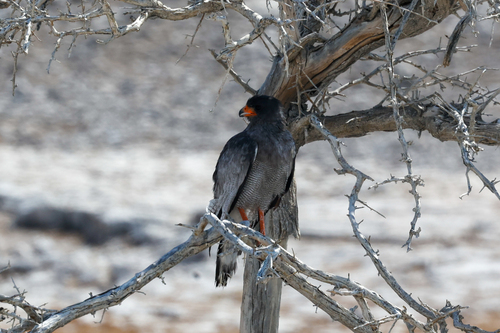 Pale Chanting-Goshawk
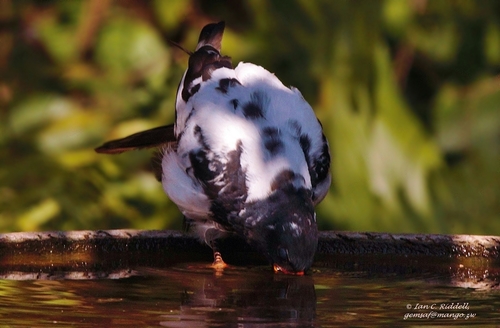 Gabar Goshawk
In breve
Il segno di campo più affidabile tra Pale Chanting-Goshawk e Gabar Goshawk è la dimensione: Pale Chanting-Goshawk è molto più grande e massiccio, con una massa quasi cinque volte quella di Gabar Goshawk. Per gli immaturi, controlla l'ala inferiore e la coda in volo: i giovani Pale Chanting-Goshawk mostrano piume di volo bianche e una coda con barre nere, mentre gli immaturi Gabar Goshawk sono più marroni e hanno barre meno ordinate. Gli adulti di entrambe le specie hanno parti superiori grigie e rami bianchi, ma Pale Chanting-Goshawk è complessivamente più chiaro, con zampe rosse più lunghe e una postura più pesante e eretta. Gabar Goshawk è molto più piccolo, più compatto e può apparire quasi completamente nero nella sua forma scura, una caratteristica mai mostrata da Pale Chanting-Goshawk.
Consigli di identificazione
- La dimensione è l'indizio più immediato: Pale Chanting-Goshawk è molto più grande e massiccio di Gabar Goshawk: se l'uccello sembra delle dimensioni di un corvo o più grande, non è un Gabar.
- Lunghezza e colore delle zampe: Pale Chanting-Goshawk ha zampe molto lunghe e rosse brillanti (adulti); le zampe di Gabar Goshawk sono anch'esse lunghe ma più snelle, e gialle negli immaturi.
- Colore del becco e della cere: L'adulto Pale Chanting-Goshawk mostra una base del becco rossa e cere; gli adulti di Gabar Goshawk hanno una cere rossa, ma gli immaturi hanno gialla.
- Postura eretta: Pale Chanting-Goshawk spesso sta molto eretto e alto, specialmente quando è posato, mentre Gabar Goshawk è più compatto e meno eretto.
- Piumaggio negli immaturi (volo): Il giovane Pale Chanting-Goshawk mostra piume di volo bianche e una coda con barre nere dal basso, e parti inferiori rugginose; gli immaturi Gabar Goshawk sono più marroni con barre più disordinate, e zampe/cere gialle.
- Parti superiori degli adulti: Entrambi sono grigi sopra con un ramo bianco, ma Pale Chanting-Goshawk è più chiaro nel complesso e più grande; Gabar Goshawk è grigio più scuro e più compatto.
- Schema della coda: Pale Chanting-Goshawk ha piume centrali della coda con punte nere e piume esterne della coda barrate di grigio e bianco; la coda di Gabar Goshawk è grigio scuro con barre.
- Parti inferiori (adulti): Gli adulti di Pale Chanting-Goshawk hanno parti inferiori finemente barrate di grigio scuro e bianco; gli adulti della forma chiara di Gabar Goshawk hanno barre bianche e grigie sul petto, cosce e ali inferiori.
- Forma scura: Solo Gabar Goshawk può essere quasi completamente nero (forma scura), mai mostrato da Pale Chanting-Goshawk.
- Colore degli occhi: L'adulto Pale Chanting-Goshawk ha occhi marroni scuri; gli adulti di Gabar Goshawk hanno anch'essi occhi scuri, ma gli immaturi hanno occhi gialli chiari (Pale Chanting-Goshawk) contro cere/leggi gialle (Gabar).
- Comportamento di posarsi: Pale Chanting-Goshawk spesso si posa su pali esposti o cime di alberi in campagna aperta; Gabar Goshawk è più spesso negli alberi o in habitat più densi.
- Stile di volo: Pale Chanting-Goshawk è stabile e diretto, spesso planando su lunghe ali; Gabar Goshawk è agile, veloce e più propenso a correre tra gli alberi.
- Contesto dell'habitat: La campagna aperta e arida favorisce Pale Chanting-Goshawk; aree boschive o cespugliose favoriscono Gabar Goshawk.
- Vocalizzazione: Se senti un melodioso 'kleeu-kleeu-kleeu-ku-ku-ku' da un alto posato, è Pale Chanting-Goshawk.
- Dimorfismo sessuale: Le femmine di Gabar Goshawk sono più grandi dei maschi, ma entrambi i sessi sono comunque molto più piccoli di qualsiasi Pale Chanting-Goshawk.
Taglia
Pale Chanting-Goshawk è un grande rapace (massa corporea ~810g, lunghezza ~55 cm, apertura alare ~110 cm), mentre Gabar Goshawk è molto più piccolo (massa corporea ~165g, lunghezza 28–36 cm, apertura alare ~63 cm). Sul campo, Pale Chanting-Goshawk appare con zampe lunghe e slanciate, spesso sovrastando gli uccelli rapaci vicini, mentre Gabar Goshawk è compatto e visibilmente più piccolo, più vicino in dimensioni a un piccione o a un piccolo corvo. Questo divario di dimensioni è spesso ovvio anche a distanza o in volo, ed è un punto chiave di separazione.
Piumaggio
Per gli immaturi: i giovani Pale Chanting-Goshawk hanno parti superiori marroni, un ramo bianco e una coda barrata di nero; dal basso, le piume di volo e la coda sono bianche con barre nere, e le parti inferiori sono rugginose con una gola bianca striata scura. Gli immaturi Gabar Goshawk sono generalmente più marroni nel complesso, con zampe e cere gialle, e la forma chiara ha barre più disordinate sul petto rispetto agli adulti. Negli adulti, entrambe le specie mostrano parti superiori grigie e un ramo bianco, ma Pale Chanting-Goshawk è più chiaro, con parti inferiori finemente barrate e una base del becco rossa distintiva, cere e zampe lunghe. Gli adulti di Gabar Goshawk hanno un occhio scuro, cere e zampe rosse, e un aspetto più compatto e meno eretto. La forma scura di Gabar Goshawk è quasi tutta nera, mai eguagliata da Pale Chanting-Goshawk. In volo, gli adulti di Pale Chanting-Goshawk mostrano primarie nere, secondarie molto chiare (quasi bianche) e ali anteriori grigie; gli adulti di Gabar Goshawk hanno barre bianche e grigie sul petto, cosce e ali inferiori, e una coda grigio scuro barrata.
Comportamento
Pale Chanting-Goshawk è spesso visto posato in modo evidente su pali telefonici o alti posatoi in campagna aperta, a caccia di prede, e tende ad essere più sedentario e visibile. Gabar Goshawk è più probabile che venga visto da solo o in coppie, spesso cacciando in modo persistente tra gli alberi o facendo inseguimenti energici delle prede, ed è meno probabile che si posi in modo aperto per lunghi periodi. Gabar Goshawk può anche essere osservato mentre attacca nidi di tessitori o utilizza ragnatele nella costruzione del nido, comportamenti non notati per Pale Chanting-Goshawk.
Habitat
Pale Chanting-Goshawk è un residente di semi-deserti aperti e aridi con meno di 75 cm di pioggia annuale, spesso visto in paesaggi molto aperti e scarsamente alberati e lungo le strade. Gabar Goshawk è più flessibile, trovato in una varietà di habitat boschivi in Africa e Arabia, inclusi boschi di acacia e aree con più copertura arborea rispetto a quelle tipicamente utilizzate da Pale Chanting-Goshawk. Pertanto, un uccello in una campagna molto aperta e arida è più probabile che sia un Pale Chanting-Goshawk, mentre uno in un bosco più denso potrebbe essere un Gabar Goshawk.
Voce
Pale Chanting-Goshawk emette un melodioso e fischiante richiamo 'kleeu-kleeu-kleeu-ku-ku-ku', di solito da un alto posato durante la stagione della riproduzione. Le vocalizzazioni di Gabar Goshawk non sono descritte nelle note fornite, quindi la voce non è un separatore affidabile a meno che non venga udita la chiamata distintiva di Pale Chanting-Goshawk.
Pale Chanting-Goshawk · Gabar Goshawk · I miei uccelli difficili