

Paddyfield Pipit vs Calandro
Anthus rufulus contro Anthus campestris
Fai un quiz con Paddyfield Pipit e Calandro
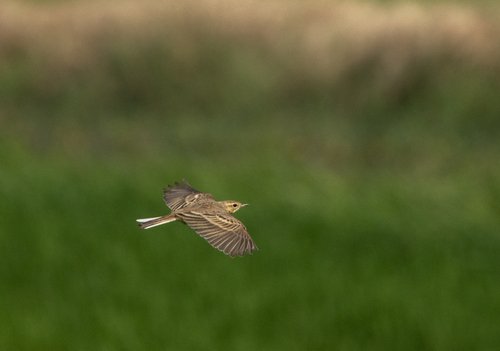 Paddyfield Pipit
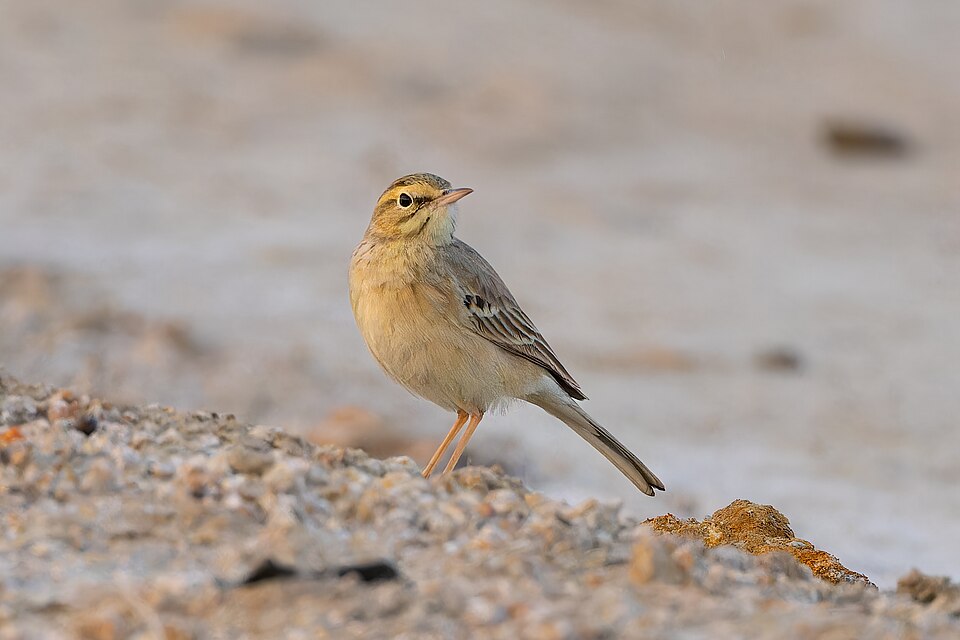 Calandro
In breve
Il segno di campo più affidabile tra Paddyfield Pipit e Calandro è la quantità di striature sulle parti superiori e sul petto: il Paddyfield Pipit (soprattutto i giovani e alcune sottospecie) mostra striature più evidenti sopra e sotto, mentre il Calandro è generalmente più semplice e meno striato. Anche la struttura è fondamentale: il Paddyfield Pipit è più piccolo, più tozzo, con una coda e zampe più corte, mentre il Calandro è più lungo, più snello e di tonalità più sabbiosa. In volo, il volo tremolante e più debole del Paddyfield Pipit contrasta con il volo forte e diretto del Calandro. Le vocalizzazioni differiscono, ma sono sottili sul campo. Entrambi possono sovrapporsi in inverno nel sud dell'Asia, rendendo essenziale prestare attenzione a questi dettagli.
Consigli di identificazione
- Breast and upperpart streaking: Il Paddyfield Pipit (soprattutto i giovani e alcuni adulti) mostra striature evidenti sul petto e sulle parti superiori; il Calandro è molto più semplice, con poche o nessuna striatura. Questo è il segno più affidabile in tutte le livree.
- Juvenile/first-winter plumage: I giovani Paddyfield Pipit hanno bordi delle piume chiari e macchie forti sul petto, mentre i giovani Calandro sono ancora semplici e sabbiosi sopra e sotto.
- Overall coloration: Il Paddyfield Pipit è grigio-bruno sopra, mentre il Calandro è bruno sabbioso. Il Paddyfield può apparire più ricco o più chiaro a seconda della sottospecie, ma è sempre più striato.
- Structure: Il Paddyfield Pipit è più piccolo, più tozzo, con una coda e zampe più corte. Il Calandro è più lungo, più eretto, con zampe e coda più lunghe, e un aspetto più snello.
- Bill shape: Entrambi hanno becchi scuri, ma quello del Calandro è più stretto e meno robusto, anche se questo è sottile e meglio utilizzato in combinazione con altri segni.
- Flight style: Il Paddyfield Pipit ha un volo più debole e tremolante; il volo del Calandro è forte e diretto. Questo è meglio giudicato con esperienza o quando si vedono entrambi insieme.
- Perched jizz: Il Paddyfield Pipit appare spesso curvo o tozzo, mentre il Calandro sta più eretto e all'erta.
- Tail length: La coda del Calandro è più lunga e più evidente in volo e a riposo; quella del Paddyfield è più corta e meno prominente.
- Leg length: Le zampe del Calandro sono più lunghe, contribuendo alla sua postura eretta; le zampe del Paddyfield sembrano proporzionalmente più corte.
- Voice: Il Paddyfield Pipit emette un richiamo 'chip-chip-chip'; il Calandro emette un 'schip' di tono più alto. Usare con cautela, poiché i richiami possono essere confusi con altri pipit.
- Habitat context: Nei campi coltivati, nei prati o nei cespugli nel sud dell'Asia, è più probabile vedere il Paddyfield Pipit, soprattutto come residente. In habitat più secchi, sabbiosi o simili a steppa, soprattutto in inverno, può essere presente il Calandro.
- Seasonal overlap: In inverno, entrambe le specie possono verificarsi insieme nel sud dell'Asia. Essere particolarmente cauti e fare affidamento su più segni di campo.
- Subspecies variation: Il Paddyfield Pipit mostra variazione regionale nel colore e nelle striature, ma è sempre più striato del Calandro. La popolazione dei Ghati Occidentali può apparire più scura e più pesantemente striata.
- Sex differences: Entrambe le specie sono sessualmente monomorfiche: il sesso non è un segno utile sul campo.
- Comparison with other pipits: Entrambi possono essere confusi con il Pipit di Richard e il Pipit di Blyth; controllare sempre le striature, la struttura e il richiamo in combinazione.
Taglia
Il Calandro è il più grande dei due, con una massa corporea di circa 22 g e una lunghezza di 16 cm, rispetto ai 15 cm del Paddyfield Pipit (massa non specificata ma più piccolo per struttura e impressione). Il Calandro ha anche un'apertura alare più lunga (25–28 cm). Il Paddyfield Pipit appare notevolmente più piccolo, con una coda più corta e più compatto, soprattutto quando visto fianco a fianco o con un confronto diretto con altri pipit.
Piumaggio
I giovani e i primi inverni di Paddyfield Pipit sono distintamente più striati sul petto e sulle parti superiori, con bordi delle piume chiari e macchie prominenti, facendoli apparire più decorati di qualsiasi età di Calandro. Gli adulti di Paddyfield Pipit mantengono alcune striature sul petto e striature sulle parti superiori, anche se meno dei giovani, ma sempre più del Calandro. Il Calandro di tutte le età è bruno sabbioso sopra e chiaro sotto, con striature minime, apparendo spesso quasi semplice sul mantello e sul petto. Il Paddyfield Pipit può mostrare variazione regionale: alcune popolazioni sono più chiare o più scure, ma sempre con più striature del Calandro. Entrambe le specie sono generalmente indistinte nella colorazione, ma la presenza o l'assenza di striature è l'indicazione visiva più consistente.
Comportamento
Il Paddyfield Pipit tende ad avere un volo più debole e più tremolante e appare più tozzo e meno eretto quando è posato. Il Calandro, al contrario, ha un volo forte e diretto e sta più eretto, apparendo spesso più snello e con zampe più lunghe. Entrambe le specie si nutrono a terra in habitat aperti, ma il Paddyfield Pipit è più probabile da vedere in campi coltivati e prati, spesso correndo piuttosto che camminando.
Habitat
Entrambe le specie possono verificarsi insieme nel sud dell'Asia durante l'inverno. Il Paddyfield Pipit è un allevatore residente in cespugli aperti, praterie e terreni coltivati, soprattutto nel sud dell'Asia fino alle Filippine. Il Calandro è un migratore, che nidifica attraverso il Palearctico centrale e sverna in Africa tropicale e nel subcontinente indiano. In inverno, entrambe possono essere trovate in simili paesaggi aperti, ma il Paddyfield Pipit è più legato ad habitat agricoli e erbosi, mentre il Calandro può essere trovato in terreni più secchi, sabbiosi o più simili a steppa.
Voce
Il richiamo abituale del Paddyfield Pipit è un 'chip-chip-chip' ripetuto, che è molto diverso dal 'schip' di tono più alto del Calandro. Il canto del Calandro è un 'chir-ree chir-ree' breve, forte e disillabico, ma questo è raramente udito nelle aree di svernamento. I richiami sono utili se uditi bene, ma entrambi possono essere confusi con altri pipit, quindi usare la voce come prova di supporto piuttosto che come unico criterio.