

Oriental Skylark vs Cappellaccia
Alauda gulgula contro Galerida cristata
Fai un quiz con Oriental Skylark e Cappellaccia
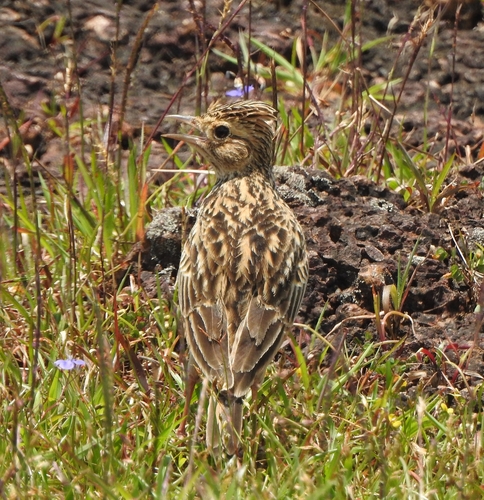 Oriental Skylark
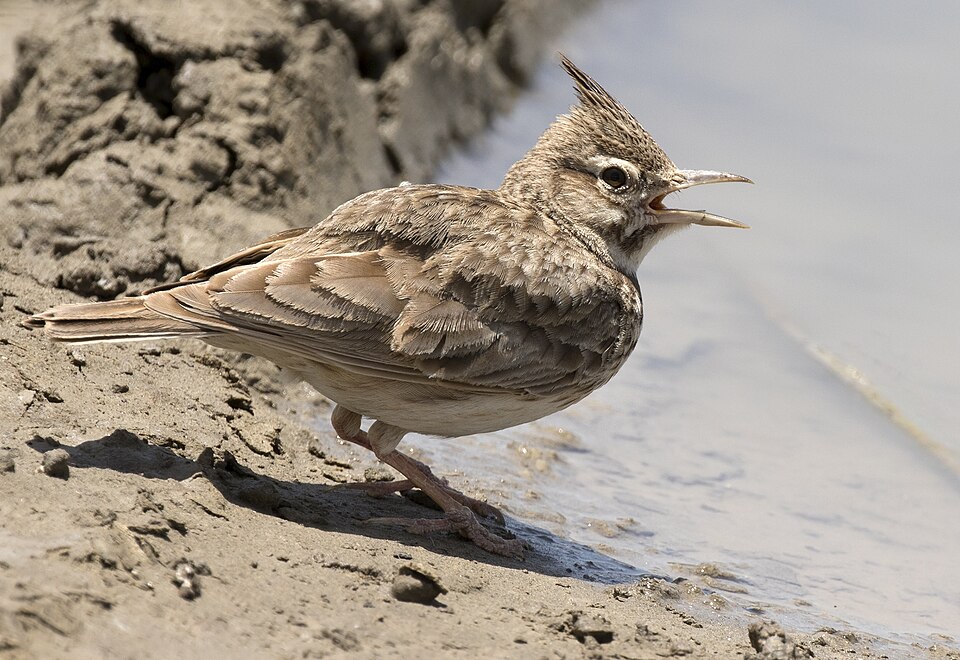 Cappellaccia
In breve
Il segno di campo più affidabile tra l'Oriental Skylark e la Cappellaccia è la presenza di ali inferiori rossastre in volo sulla Cappellaccia, che l'Oriental Skylark non ha. I giovani Cappellacce mostrano anche più macchie sulla schiena, mentre i giovani dell'Oriental Skylark sono più pesantemente striati sopra in alcune sottospecie. Strutturalmente, la Cappellaccia è più robusta con una cresta più prominente e sempre visibile, e un becco più pesante, mentre l'Oriental Skylark è più piccolo, più snello, con una coda più corta e un becco più appuntito. In vista da posato o a terra, le piume esterne della coda bianche o color crema dell'Oriental Skylark e la coda più corta contrastano con le piume esterne della coda marrone chiaro della Cappellaccia e la coda più tozza. Entrambe le specie sono marroni e striate, ma sottili differenze nel modello delle ali e della coda, specialmente in volo, sono fondamentali per la separazione.
Consigli di identificazione
- Ali inferiori rossastre in volo (tutte le età): La Cappellaccia mostra ali inferiori rossastre, specialmente visibili quando l'uccello si alza in volo o vola sopra. L'Oriental Skylark non ha questa caratteristica.
- Modello della schiena nei giovani: I giovani Cappellacce hanno più macchie sulla schiena, mentre i giovani dell'Oriental Skylark (in particolare A. g. wattersi) sono più pesantemente striati sopra. Usa questo in tarda estate e autunno quando i giovani sono presenti.
- Modello della coda in volo: L'Oriental Skylark ha piume esterne della coda bianche o color crema, creando un lampo pallido in volo. Le piume esterne della coda della Cappellaccia sono marrone chiaro, meno contrastanti.
- Forma e prominenza della cresta: La cresta della Cappellaccia è sempre ovvia, spesso tenuta eretta, specialmente quando è agitata o canta. La cresta dell'Oriental Skylark è più corta e meno evidente, spesso apparendo piatta a meno che non sia sollevata.
- Forma del becco: La Cappellaccia ha un becco più pesante e tozzo, mentre il becco dell'Oriental Skylark è più lungo e appuntito. Questo è sottile ma visibile da vicino o di profilo.
- Struttura generale: La Cappellaccia è più robusta, con una testa più rotonda e un corpo più spesso. L'Oriental Skylark è più snello, con una coda e ali più corte.
- Tono del piumaggio: L'Oriental Skylark è più marrone-giallo sopra, mentre la Cappellaccia può apparire più chiara, più rada o più biancastra, specialmente nel piumaggio usurato.
- Lunghezza delle ali e della coda: L'Oriental Skylark ha ali e coda più corte rispetto alla Cappellaccia, il che può essere apprezzato quando entrambi sono visti insieme o in confronto diretto.
- Comportamento in volo: Il volo della Cappellaccia è ondulatorio, e canta sia a terra che in alto, non durante l'ascesa. L'Oriental Skylark può cantare durante l'ascesa, simile all'Allodola.
- Contesto dell'habitat: Negli habitat urbani, disturbati o di deserto, è più probabile trovare la Cappellaccia. Negli spazi aperti e non disturbati, è favorito l'Oriental Skylark.
- Consegna del canto: Se l'uccello canta mentre si alza in volo, propendi per l'Oriental Skylark. Se canta da un posatoio o in alto, è più probabile che sia la Cappellaccia.
- Variazione sottile delle sottospecie: Alcune sottospecie di Oriental Skylark (A. g. inopinata) sono più chiare e più grandi, il che può sovrapporsi con la Cappellaccia, ma gli altri segni strutturali e di volo rimangono validi.
- Sesso e stagione: Entrambe le specie sono simili tra i sessi e non mostrano forti differenze stagionali nel piumaggio, quindi fai affidamento sui segni strutturali e di volo tutto l'anno.
- Trappole: Entrambi sono marroni, striati e con cresta, quindi non fare affidamento solo sul colore generale o sulla presenza di una cresta. Controlla sempre il colore delle ali inferiori e il modello della coda in volo per conferma.
- Quando hai dubbi: Concentrati sul colore delle ali inferiori in volo, sulla forma della cresta e sul contesto dell'habitat per la separazione più affidabile.
Taglia
La Cappellaccia è notevolmente più pesante e robusta: gli adulti pesano 37–55 g e raggiungono circa 17 cm di lunghezza, con un'apertura alare di 29–38 cm. L'Oriental Skylark è più piccolo e leggero, con 15.5–18 cm e 24–30 g. La testa e il corpo della Cappellaccia sono più robusti, conferendole un aspetto più massiccio, mentre l'Oriental Skylark è più snello nel complesso. Entrambi sono simili in lunghezza, ma la maggiore massa e robustezza della Cappellaccia sono evidenti in confronto diretto.
Piumaggio
I giovani e gli immaturi Cappellacce hanno più macchie sulla schiena rispetto agli adulti, mentre i giovani dell'Oriental Skylark (soprattutto A. g. wattersi) sono più pesantemente striati sopra. In volo, la Cappellaccia mostra ali inferiori rossastre, una caratteristica assente nell'Oriental Skylark. Le piume esterne della coda dell'Oriental Skylark sono bianche o color crema, in contrasto con le piume esterne della coda marrone chiaro della Cappellaccia. L'Oriental Skylark manca del bordo bianco che si vede nelle ali dell'Allodola, e la sua coda e ali sono più corte di quelle della Cappellaccia. Entrambe le specie sono marroni e striate, ma l'Oriental Skylark tende ad essere più marrone-giallo, e il piumaggio della Cappellaccia può apparire più rado e più biancastro. La cresta è sempre più pronunciata sulla Cappellaccia, specialmente durante la mostra o il canto.
Comportamento
Entrambe le specie si nutrono a terra in aree aperte, ma la Cappellaccia si trova spesso in terreni incolti e ai margini delle città, a volte utilizzando habitat disturbati o urbani. L'Oriental Skylark è più strettamente un uccello di prateria. In volo, il modello ondulatorio della Cappellaccia e la tendenza a cantare sia a terra che in alto (non durante l'ascesa) differiscono dall'Oriental Skylark, che si comporta più come l'Allodola e può cantare durante l'ascesa. La cresta della Cappellaccia è spesso sollevata, specialmente quando è eccitata o in mostra, mentre la cresta dell'Oriental Skylark è più corta e meno evidente.
Habitat
L'Oriental Skylark si trova in praterie aperte nella regione sino-indiana e in Asia centrale, raramente avventurandosi in aree urbane o disturbate. La Cappellaccia è più adattabile, comunemente nidificando in terreni incolti, ai margini dei campi e persino ai margini delle città, ed è diffusa in tutta l'Eurasia e nel nord Africa. Se vista in un lotto infestato da erbacce o lungo la strada, è più probabile che sia la Cappellaccia; in prateria naturale, è favorito l'Oriental Skylark.
Voce
La Cappellaccia ha un canto liquido e gorgheggiante spesso descritto come 'whee-whee-wheeoo' o 'twee-tee-too', emesso sia da terra che in alto nell'aria, ma non durante l'ascesa. Il canto dell'Oriental Skylark non è descritto in dettaglio qui, ma si nota che l'Allodola canta durante l'ascesa, un comportamento che l'Oriental Skylark potrebbe condividere. Pertanto, se l'uccello canta mentre si alza, è più probabile che sia l'Oriental Skylark; se il canto proviene da un posatoio o in alto, è favorita la Cappellaccia.