

Oriental Pratincole vs Pernice di mare
Glareola maldivarum contro Glareola pratincola
Fai un quiz con Oriental Pratincole e Pernice di mare
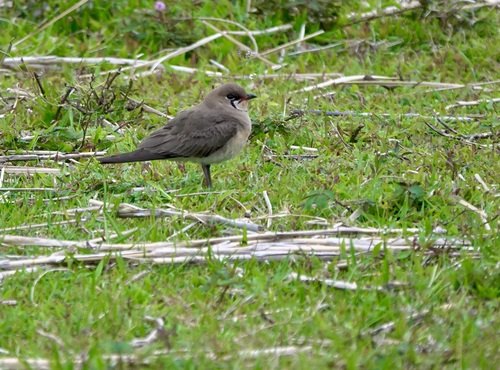 Oriental Pratincole
 Pernice di mare
In breve
Oriental Pratincole e Pernice di mare sono estremamente simili sul campo, specialmente in volo, e entrambi richiedono ottime visuali per una separazione sicura. La differenza più consistente è strutturale: la Pernice di mare ha una coda visibilmente più lunga e profondamente biforcuta rispetto alla coda leggermente più corta dell'Oriental Pratincole. Entrambe le specie mostrano ali inferiori castanee che spesso appaiono scure sul campo, e le loro parti superiori e penne alari sono molto simili. Differenze sottili nella lunghezza e nella forma della coda, specialmente quando sono posate o in volo, sono la tua migliore scommessa per la separazione; le differenze nel piumaggio sono minime e inaffidabili a distanza. I piumaggi giovanili e immaturi non sono descritti come distinti tra questi due nelle note disponibili, quindi concentrati sulla struttura e sulla forma della coda per tutte le età.
Consigli di identificazione
- Lunghezza e forma della coda: la Pernice di mare ha una coda visibilmente più lunga e profondamente biforcuta rispetto all'Oriental Pratincole. Questa è la differenza strutturale più affidabile e può essere vista sia in volo che quando è posata, anche se richiede una visuale chiara. Questo segno si applica a tutte le età e stagioni.
- Colore delle ali inferiori: entrambe le specie mostrano ali inferiori castanee, ma questo non è un segno utile per la separazione poiché entrambe possono apparire scure o nerastre in visuali tipiche sul campo. Non fare affidamento solo sul colore delle ali inferiori.
- Penne alari: entrambe hanno penne alari scure (nere o marrone scuro). Non viene descritta alcuna differenza consistente tra le due in questa caratteristica.
- Colore delle parti superiori e della testa: entrambe le specie hanno schiene e teste marroni; questo non è un punto utile per la separazione.
- Colore del ventre: entrambe hanno ventri bianchi, quindi questo non è diagnostico.
- Forma del becco: entrambe hanno becchi corti adattati per l'alimentazione aerea; non viene notata alcuna differenza tra le due.
- Lunghezza delle gambe: entrambe hanno gambe corte; questo non è un segno di separazione.
- Dimensioni complessive: entrambe sono essenzialmente della stessa dimensione per massa e volume apparente; non usare la dimensione come segno sul campo.
- Jizz in volo: entrambe le specie hanno ali lunghe e appuntite e un volo agile, simile a quello delle rondini. La coda leggermente più lunga della Pernice di mare può dare un'impressione leggermente diversa in confronto diretto, ma questo è sottile e facilmente trascurabile.
- Piumaggio giovanile/immaturo: non vengono descritte differenze distintive nel piumaggio delle ali superiori o del corpo tra queste due specie. Tratta tutte le età come strutturalmente simili.
- Uccelli posati: quando sono posati, cerca la lunghezza e la profondità della biforcazione della coda; la coda della Pernice di mare dovrebbe sporgere visibilmente oltre le punte delle ali, mentre quella dell'Oriental Pratincole è più corta.
- In stormi misti: se entrambe le specie sono presenti, il confronto diretto della lunghezza della coda è il miglior approccio sul campo. Gli uccelli singoli sono estremamente difficili da separare senza ottime visuali.
- Condizioni di illuminazione: il colore delle ali inferiori è utile solo in luce ideale; nella maggior parte dei casi, le ali inferiori di entrambe le specie appaiono scure o nerastre.
- Voce: non vengono descritte differenze vocali nelle fonti, quindi non usare la voce per la separazione.
- Habitat e comportamento: entrambe le specie condividono habitat e comportamenti alimentari simili; questi non sono utili per la separazione sul campo.
Taglia
Entrambe le specie sono essenzialmente identiche in dimensioni, con l'Oriental Pratincole che pesa in media 76 g e la Pernice di mare 77 g in massa corporea. La Pernice di mare è descritta come lunga 24–28 cm con un'apertura alare di 60–70 cm, ma non viene fornita alcuna lunghezza per l'Oriental Pratincole; in pratica, la dimensione non è un segno affidabile sul campo tra questi due. Qualsiasi differenza percepita è probabilmente dovuta alla postura o alla lunghezza della coda piuttosto che alla reale dimensione corporea.
Piumaggio
Entrambe le specie hanno parti superiori marroni, ventri bianchi e ali inferiori castanee che appaiono scure nella maggior parte delle condizioni di campo. Le penne alari sono scure (descritte come nere o marrone scuro), e entrambe hanno gambe corte e ali lunghe e appuntite. Non vengono notate differenze specifiche di piumaggio delle ali superiori o giovanili tra queste due specie nelle fonti. La principale differenza è che la Pernice di mare ha una coda più lunga e profondamente biforcuta, mentre la coda dell'Oriental Pratincole è più corta. Entrambe le specie richiedono visuali molto buone per essere separate, specialmente in volo, poiché il colore delle ali inferiori è condiviso e può apparire quasi identico a meno che non venga visto in luce perfetta. Non viene menzionata alcuna differenza di piumaggio stagionale o basata sul sesso che possa aiutare sul campo.
Comportamento
Entrambe le specie si comportano in modo simile, cacciando insetti in volo come le rondini, e talvolta alimentandosi a terra. Il loro volo è agile e simile a quello delle rondini, e entrambe sono tipicamente viste in campi aperti, spesso vicino all'acqua, specialmente di sera. Non vengono descritte differenze comportamentali che possano separare in modo affidabile queste due specie sul campo.
Habitat
Le preferenze di habitat sono essenzialmente identiche: entrambe sono uccelli di campi aperti, spesso vicino all'acqua, e sono più attive di sera quando cacciano insetti. L'habitat non è un punto utile per la separazione tra queste due specie.
Oriental Pratincole · Pernice di mare · I miei uccelli difficili