

Ochraceous Wren vs Rufous-breasted Wren
Troglodytes ochraceus contro Pheugopedius rutilus
Fai un quiz con Ochraceous Wren e Rufous-breasted Wren
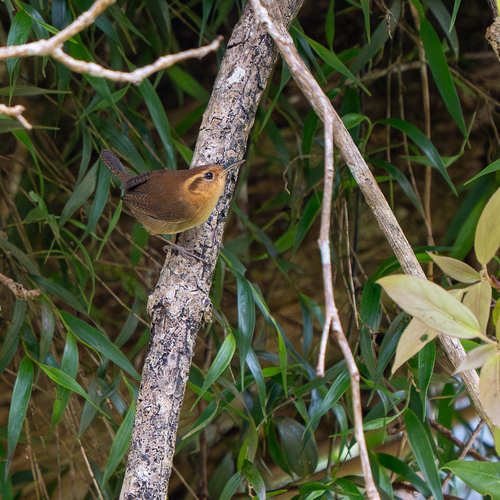 Ochraceous Wren
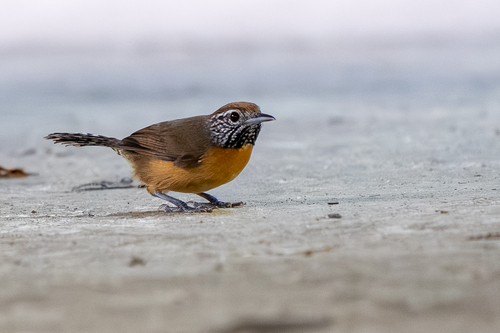 Rufous-breasted Wren
In breve
Il segno di campo più affidabile per separare Ochraceous Wren da Rufous-breasted Wren è la parte inferiore: Ochraceous Wren mostra principalmente parti inferiori di colore marrone chiaro a bianco chiaro con un sopracciglio giallastro, mentre Rufous-breasted Wren ha un petto castano brillante e un sopracciglio bianco bordato sopra da nero. Rufous-breasted Wren è anche notevolmente più grande e pesante, con un modello facciale più audace e contrastante. I giovani di Rufous-breasted Wren sono più opachi e hanno segni facciali meno distinti, ma mancano ancora delle tonalità ocra di Ochraceous Wren. Entrambe le specie si sovrappongono nell'areale in America Centrale, quindi è essenziale prestare attenzione al piumaggio e alla struttura.
Consigli di identificazione
- Colore delle parti inferiori: Ochraceous Wren mostra principalmente parti inferiori di colore marrone chiaro a bianco chiaro senza castano brillante; Rufous-breasted Wren ha un petto castano vivace e fianchi castani più opachi con un centro della pancia bianco-grigiastro. Questo è il segno di campo più consistente per tutte le età.
- Modello facciale: Rufous-breasted Wren ha un sopracciglio bianco con un bordo nero sopra, oltre a un viso e una gola macchiati di nero e bianco. Ochraceous Wren ha un sopracciglio giallastro che si estende fino alla nuca, senza bordo nero o macchie facciali.
- Dimensioni e struttura: Rufous-breasted Wren è notevolmente più grande e pesante (circa 14 cm, 13.5–18.5 g) rispetto a Ochraceous Wren (9.5–10 cm, 8–10.5 g). Sul campo, Rufous-breasted Wren appare più robusto e con una coda più lunga.
- Modello della coda: Entrambe le specie hanno code marroni con barre scure, ma la coda di Rufous-breasted Wren è grigio-marrone con barre scure pesanti, mentre la coda di Ochraceous Wren è marrone con barre nerastre. Questo è sottile e meglio utilizzato in combinazione con altri segni.
- Colore della corona e della schiena: Ochraceous Wren ha una corona e una schiena di un ricco marrone medio con una sfumatura ruggine sul coda; le parti superiori di Rufous-breasted Wren sono di un marrone caldo, a volte più rossiccio a seconda della sottospecie.
- Becco: Alcune sottospecie di entrambe le specie hanno becchi più pesanti, ma questo non è un segno di campo affidabile a meno che non si abbiano viste ravvicinate e si conoscano le forme locali.
- Piumaggio giovanile: I giovani Rufous-breasted Wren sono più opachi e hanno segni facciali meno distinti, ma mancano ancora delle tonalità ocra e del sopracciglio giallastro di Ochraceous Wren.
- Colore del sopracciglio: Il sopracciglio di Ochraceous Wren è giallastro e si estende fino alla nuca; quello di Rufous-breasted Wren è bianco con un bordo nero sopra e non si estende così lontano.
- Modello del petto: Solo Rufous-breasted Wren mostra un petto castano brillante e nettamente demarcato; il petto di Ochraceous Wren è di un marrone chiaro più uniforme.
- Viso e gola: Il viso e la gola di Rufous-breasted Wren sono macchiati di nero e bianco, un modello unico non presente in Ochraceous Wren.
- Colore dei fianchi: I fianchi di Ochraceous Wren sono di un marrone chiaro più scuro; i fianchi di Rufous-breasted Wren sono castani o, in alcune sottospecie, più opachi o marrone oliva.
- Areale e contesto: Entrambe le specie si sovrappongono in Costa Rica, Panama e Colombia, quindi l'areale da solo non le separa. Rufous-breasted Wren si trova anche a Trinidad, Tobago e Venezuela.
- Viste in volo: Non sono descritti segni distintivi per l'ala superiore o il modello di volo per nessuna delle due specie; fare affidamento su dimensioni, parti inferiori e modello facciale in volo.
- Differenze sessuali: Non è stato notato dimorfismo sessuale per nessuna delle due specie; tutti i segni di campo si applicano a entrambi i sessi.
- Variazione delle sottospecie: Alcune sottospecie di Rufous-breasted Wren hanno più macchie o colori più ricchi, ma il petto castano e il modello facciale rimangono diagnostici.
Taglia
Rufous-breasted Wren è significativamente più grande, misurando circa 14 cm di lunghezza e pesando 13.5–18.5 g, rispetto a Ochraceous Wren che misura 9.5–10 cm e pesa 8–10.5 g. Sul campo, Rufous-breasted Wren appare più robusto e con una coda più lunga, mentre Ochraceous Wren è notevolmente più piccolo e più delicato. Questa differenza di dimensioni è spesso evidente anche senza un confronto diretto, specialmente quando visto in posizione o mentre cerca cibo.
Piumaggio
-
Giovani/immaturi: I giovani Rufous-breasted Wren sono più opachi complessivamente rispetto agli adulti, con segni facciali meno distinti, ma mostrano ancora un accenno del petto castano e mancano delle tonalità ocra (giallo-buff) di Ochraceous Wren. I giovani Ochraceous Wren non sono specificamente descritti, ma gli adulti e gli immaturi sono simili, senza un audace modello facciale castano o bianco e nero.
-
Adulti: Ochraceous Wren ha una corona e una schiena di un ricco marrone medio, un coda con sfumature ruggine, una coda marrone con barre nerastre e un audace sopracciglio giallastro che si estende fino alla nuca. Le parti inferiori sono principalmente di un marrone chiaro a bianco chiaro, con fianchi marrone chiaro più scuri e una pancia inferiore. Rufous-breasted Wren ha parti superiori di un marrone caldo, una coda grigio-marrone con barre scure pesanti, un sopracciglio bianco bordato sopra da nero, un viso e una gola macchiati di nero e bianco, e un petto castano brillante con un centro della pancia bianco-grigiastro. Il modello facciale e il petto ruggine sono unici tra i wren simili. La variazione delle sottospecie in Rufous-breasted Wren può aggiungere macchie o colori più ricchi, ma il modello generale rimane distintivo.
Comportamento
Entrambe le specie sono wren tipici, spesso nascondendosi in vegetazione densa e muovendosi attivamente attraverso grovigli. Rufous-breasted Wren, essendo più grande, può apparire più robusto e deliberato nei suoi movimenti, mentre Ochraceous Wren è più piccolo e agile. Non sono state notate differenze comportamentali significative nelle fonti che possano separarle affidabilmente sul campo.
Habitat
Entrambe le specie si trovano in regioni sovrapposte dell'America Centrale e settentrionale del Sud America, inclusi Costa Rica, Panama e Colombia. Rufous-breasted Wren ha un areale più ampio, estendendosi a Trinidad e Tobago e Venezuela. Le preferenze di habitat non sono dettagliate qui, ma entrambe si trovano generalmente in aree boschive o boschi semi-aperti. L'abbondanza locale può variare, quindi consultare eBird per la tua posizione esatta può aiutare, ma l'habitat da solo non è diagnostico.
Ochraceous Wren · Rufous-breasted Wren · I miei uccelli difficili