

Culbianco vs Monachella del deserto
Oenanthe oenanthe contro Oenanthe deserti
Fai un quiz con Culbianco e Monachella del deserto
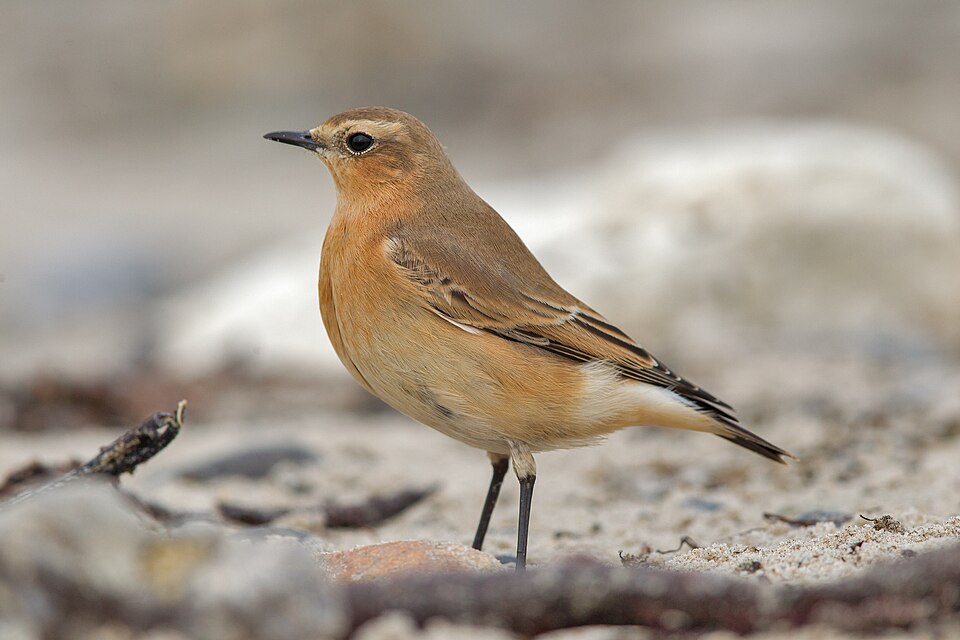 Culbianco
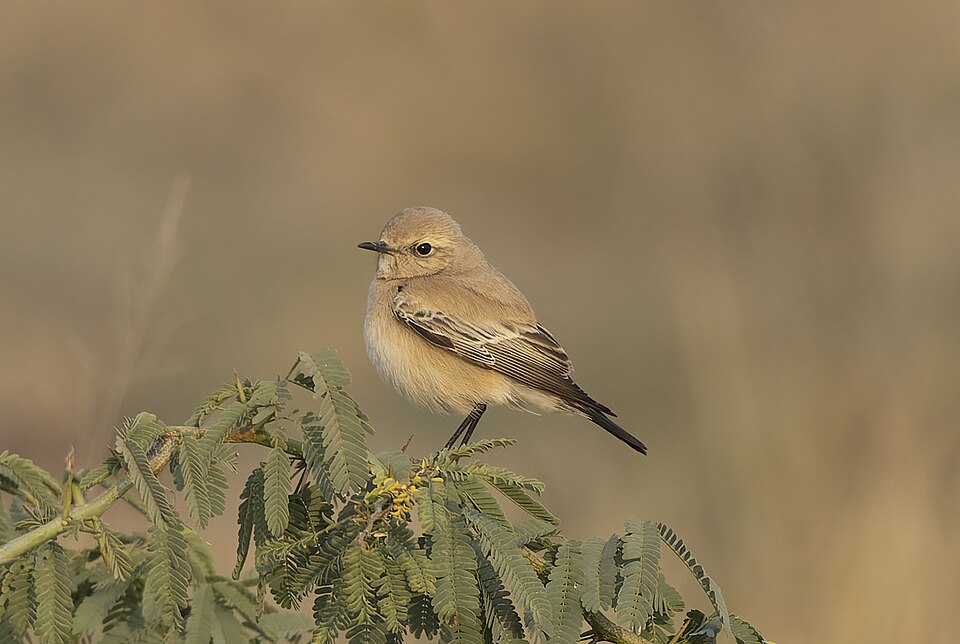 Monachella del deserto
In breve
Il segno di campo più affidabile per separare il Culbianco dalla Monachella del deserto è il modello della coda: il Culbianco di tutte le età mostra un sopracciglio e una base della coda bianchi con una bold 'T' nera all'estremità, mentre la Monachella del deserto ha una coda completamente nera fino al livello delle copritrici superiori della coda, con solo il terzo basale delle penne della coda bianco. In volo o quando la coda è aperta, questa differenza è ovvia e diagnostica. I maschi di entrambe le specie possono mostrare nero sul viso e sulla gola, ma solo i maschi della Monachella del deserto hanno il nero che si estende sulle spalle e una macchia nera sulla gola più estesa. Le femmine e gli immaturi sono più difficili da distinguere, ma il modello della coda rimane il miglior separatore. Entrambe le specie sono simili in dimensioni e forma, ma la Monachella del deserto tende a sembrare più chiara e sabbiosa nel complesso, specialmente sul sopracciglio e sulle copritrici superiori della coda. La voce e l'habitat possono aiutare, ma sono meno affidabili in situazioni di vagabondaggio.
Consigli di identificazione
- Il modello della coda è il segno di campo più affidabile: Il Culbianco mostra sempre un sopracciglio e una base della coda bianchi con una bold 'T' nera all'estremità (T rovesciata), mentre la Monachella del deserto ha una coda completamente nera fino al livello delle copritrici superiori della coda, con solo il terzo basale delle penne della coda bianco. Questo è visibile in volo, quando la coda è aperta, o anche quando è posato se la coda è inclinata.
- Colore del sopracciglio: Il sopracciglio del Culbianco è bianco, in contrasto con il dorso. Il sopracciglio e le copritrici superiori della coda della Monachella del deserto sono sabbiosi, fondendosi con il dorso e la coda.
- Viso e gola del maschio: Il maschio del Culbianco in estate ha una maschera facciale nera e una gola color buff, ma il nero non si estende sulle spalle. Il maschio della Monachella del deserto ha un'area nera più estesa che copre il viso, la gola, le lore, le copritrici auricolari e si estende sulle spalle, con un sopracciglio bianco distintivo.
- Gola della femmina e dell'immaturo: La femmina e l'immaturo del Culbianco non hanno nero sulla gola; la femmina della Monachella del deserto manca anche di nero sulla gola, ma il tono complessivo è più sabbioso e grigiastro, con un sopracciglio e copritrici superiori della coda sabbiosi.
- Colore delle parti superiori: Il Culbianco (maschio) è grigio sopra in estate; la Monachella del deserto è grigio-sabbiosa a buff sopra, apparendo spesso più chiara e calda.
- Parti inferiori: Il Culbianco è color buff sotto; la Monachella del deserto è sabbia-buff sul petto e crema-bianco sull'addome e sul sottocoda.
- Piumaggio giovanile: La Monachella del deserto giovanile è maculata sopra a causa dei centri chiari e delle punte marroni delle penne; il Culbianco giovanile è più semplice marrone sopra.
- Colore delle ali: Il Culbianco ha ali nere (maschio) o marroni scure (femmina); le primarie della Monachella del deserto sono nere con punte e bordi bianchi, le secondarie hanno bordi bianchi più ampi, ma questo è sottile e non è un segno di campo primario.
- Becco, zampe e piedi: Entrambe le specie hanno becchi e zampe neri; non utile per la separazione.
- Sopracciglio: La Monachella del deserto (maschio) ha un sopracciglio buff chiaro distintivo; il sopracciglio del Culbianco è meno pronunciato.
- Dimensione e forma: Entrambe sono simili in dimensioni e struttura; non fare affidamento su questo per l'identificazione.
- Comportamento: Entrambe si posano erette e si lanciano per gli insetti; la Monachella del deserto può librarsi brevemente, ma questo non è un separatore affidabile.
- Habitat: La Monachella del deserto preferisce habitat aridi e semi-desertici; il Culbianco si trova in paesaggi aperti e rocciosi. Usare con cautela, specialmente per i vagabondi.
- Voce: Il Culbianco emette un richiamo 'chack'; il richiamo della Monachella del deserto non è descritto qui, quindi non fare affidamento sulla voce.
- Variazione stagionale: Il maschio del Culbianco in autunno assomiglia alla femmina ma mantiene ali nere; la gola nera del maschio della Monachella del deserto può essere parzialmente oscurata dalle punte bianche delle penne in inverno, ma il modello della coda rimane diagnostico.
Taglia
Entrambe le specie sono molto simili in dimensioni, con il Culbianco che misura 14.5–16 cm di lunghezza e la Monachella del deserto 14.5–15 cm. L'apertura alare è fornita solo per il Culbianco (26–32 cm), ma entrambe sono piccoli passeriformi eretti. Il peso si sovrappone: Culbianco 17–30 g, Monachella del deserto 15–34 g. Sul campo, la dimensione non è un separatore utile.
Piumaggio
La caratteristica di piumaggio più diagnostica a tutte le età è il modello della coda. Il Culbianco (adulto, giovanile, tutte le piume) mostra un sopracciglio e una base della coda bianchi con una banda terminale nera che forma una 'T' rovesciata—le penne centrali della coda sono nere all'estremità, ma le penne esterne della coda sono per lo più bianche con solo le punte nere. La Monachella del deserto di tutte le età e sessi ha una coda completamente nera fino al livello delle copritrici superiori della coda, con solo il terzo basale delle penne della coda bianche; questo fa sembrare la coda quasi completamente nera dall'alto o dal basso, specialmente quando è aperta.
Il maschio adulto del Culbianco in estate ha parti superiori grigie, ali nere, maschera facciale nera e gola color buff; in autunno, i maschi assomigliano alle femmine ma mantengono ali nere. Il maschio adulto della Monachella del deserto è più chiaro grigio-sabbioso sopra, con un sopracciglio bianco, nero sul viso e sulla gola che si estende fino alle spalle, e petto sabbia-buff. La femmina del Culbianco è marrone chiaro sopra, buff sotto, con ali marroni più scure; la femmina della Monachella del deserto è più grigia sopra, più buff sotto, con un sopracciglio marrone sabbioso e copritrici superiori della coda, e manca di nero sulla gola. La Monachella del deserto giovanile è maculata sopra a causa dei centri chiari e delle punte marroni delle penne; il Culbianco giovanile è più semplice marrone. Entrambe le specie hanno zampe e becchi neri.
Comportamento
Entrambe le specie si posano erette su rocce, zolle di terra o cespugli bassi, e si lanciano a terra per gli insetti. La Monachella del deserto è nota per posarsi su cespugli o tussock e può librarsi brevemente quando cattura la preda. Entrambe le specie possono eseguire voli di canto e sono uccelli attivi e all'erta. Le differenze comportamentali sono sottili e non affidabili per la separazione sul campo.
Habitat
Il Culbianco nidifica in paesaggi aperti e rocciosi, spesso con vegetazione scarsa, in tutta Europa, Asia e parti del Nord America. La Monachella del deserto è un uccello di semi-deserti e regioni aride, nidificando nel Sahara, nella Penisola Arabica e in Asia Centrale. Nell'Europa occidentale, la Monachella del deserto è solo un raro vagabondo, quindi il contesto può aiutare, ma entrambe possono verificarsi in habitat aperti e aridi quando vagabondi. L'habitat è un indizio di supporto ma non diagnostico dove gli areali si sovrappongono o per i vagabondi.
Voce
Il Culbianco emette un richiamo tipico 'chack' e ha un canto fischiante e crepitante. La voce della Monachella del deserto non è descritta in dettaglio nelle note fornite. Le vocalizzazioni non sono un separatore primario tra queste due specie, specialmente per gli uccelli silenziosi o vagabondi.
Culbianco · Monachella del deserto · I miei uccelli difficili