

Northern Waterthrush vs Blackpoll Warbler
Parkesia noveboracensis contro Setophaga striata
Fai un quiz con Northern Waterthrush e Blackpoll Warbler
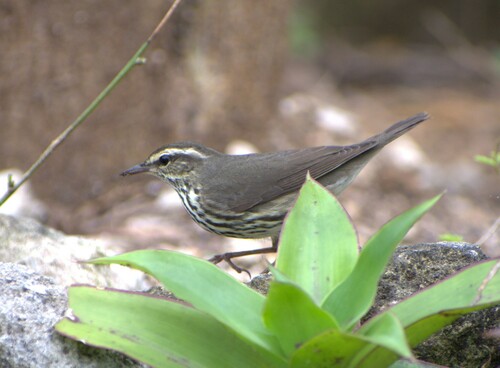 Northern Waterthrush
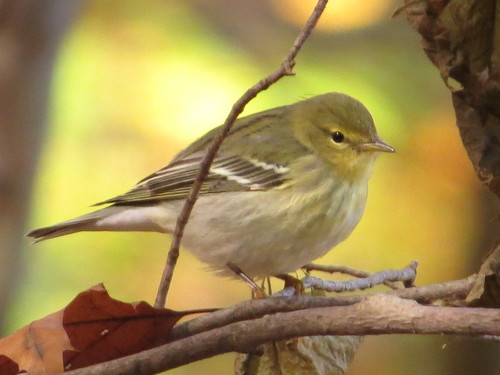 Blackpoll Warbler
In breve
Il segno di campo più affidabile per separare il Northern Waterthrush dal Blackpoll Warbler è la forte striatura continua sotto il waterthrush rispetto alla parte inferiore più pulita e bianca con striature più fini (principalmente sui lati) del blackpoll, specialmente nei piumaggi di riproduzione. I Blackpolls giovanili e non in riproduzione possono essere confusi, ma il waterthrush mostra sempre un supercilium audace e chiaro e una parte inferiore fortemente striata, mentre i Blackpolls hanno due barre alari bianche e spesso zampe più chiare. Strutturalmente, il waterthrush ha un becco più lungo e appare più allungato, con l'abitudine di camminare e muovere la coda, a differenza del Blackpoll più compatto e posato. L'habitat e il comportamento aiutano anche: i waterthrush si trovano vicino all'acqua e camminano lungo il terreno, mentre i Blackpolls sono cercatori nella chioma degli alberi. La voce è abbastanza diversa, ma potrebbe non essere sempre udibile.
Consigli di identificazione
- Underpart streaking: Il Northern Waterthrush mostra sempre forti striature scure continue dalla gola ai fianchi (tutte le età/stagioni); il Blackpoll Warbler ha parti inferiori bianche pulite con striature fini principalmente sui lati (riproduzione) o una lavatura giallastra (immaturo/autunno).
- Supercilium: Il waterthrush ha una striscia sopracciliare audace e chiara (bianca o beige) sopra l'occhio, in contrasto con una corona marrone; il Blackpoll non ha questo, mostrando invece una guancia bianca e una calotta nera nei maschi in riproduzione, o un viso semplice negli uccelli non in riproduzione/immaturi.
- Wing bars: Il Blackpoll Warbler mostra sempre due barre alari bianche (tutte le età); il Northern Waterthrush non ha barre alari, con ali marroni semplici.
- Bill shape: Il waterthrush ha un becco più lungo, pesante e appuntito; il becco del Blackpoll è più corto e fine.
- Leg color: Il Blackpoll Warbler ha zampe di un arancione-rosato brillante (specialmente in primavera/estate); le zampe del waterthrush sono scure.
- Back color: Il waterthrush ha un dorso uniformemente marrone; il Blackpoll (riproduzione) ha un dorso marrone striato scuro e (non in riproduzione/immaturo) un dorso verde-oliva.
- Juvenile/fall confusion: I giovani Blackpolls sono verdastri sopra e giallastri sotto con barre alari; i waterthrush giovanili hanno parti inferiori più beige ma sono sempre fortemente striati e privi di barre alari.
- Behavior: I waterthrush camminano (non saltano) lungo il terreno, muovendo le loro code; i Blackpolls saltano e svolazzano negli alberi, raramente a terra, e non muovono le loro code.
- Habitat: I waterthrush si trovano vicino all'acqua, spesso su rive fangose; i Blackpolls sono solitamente sugli alberi, specialmente durante la migrazione.
- Perched posture: I waterthrush appaiono spesso allungati e orizzontali; i Blackpolls sono più compatti e eretti.
- Voice: Il canto del waterthrush è forte, enfatico e discendente; quello del Blackpoll è alto, sottile e simile a un insetto. Anche i richiami sono diversi, ma potrebbero essere difficili da sentire sul campo.
- Size impression: I waterthrush sembrano più pesanti e con zampe più lunghe; i Blackpolls sono più delicati e con zampe più corte.
- Sex differences: I maschi del Blackpoll in piumaggio di riproduzione hanno una calotta nera sorprendente; le femmine e gli immaturi sono più opachi ma mostrano ancora barre alari e mancano del supercilium e delle striature del waterthrush.
- Seasonal context: Alla fine della primavera e in estate, un warbler con calotta nera e guance bianche è un Blackpoll; un uccello con corona marrone, striato e contrassegnato da supercilium è un waterthrush.
- Common pitfalls: I Blackpolls immaturi in autunno possono apparire marroni e striati, ma controlla sempre le barre alari (presenti nel Blackpoll, assenti nel waterthrush) e la presenza/assenza di un forte supercilium.
Taglia
Entrambe le specie sono simili in lunghezza (Northern Waterthrush: 12–15 cm; Blackpoll Warbler: 12.5–15 cm), ma il waterthrush è generalmente più pesante (fino a 25 g contro una media di 12–15 g del Blackpoll) e più robusto. Il waterthrush ha un becco più lungo (1.1–1.2 cm contro 0.8–1.2 cm del Blackpoll) e un tarso più lungo (1.9–2.3 cm contro 1.8–2 cm del Blackpoll), conferendogli un aspetto più snello e con zampe più lunghe. I Blackpolls sono più compatti, con becchi e zampe più corte, e spesso appaiono più delicati e più eretti quando posati.
Piumaggio
I Blackpoll Warblers giovanili e immaturi mostrano teste verdastre, parti inferiori giallastre (a volte estendendosi fino all'addome) e hanno sempre due barre alari bianche. In tutte le età, i Blackpolls mancano della striatura continua e pesante sotto che è diagnostica del Northern Waterthrush. I maschi adulti in riproduzione del Blackpoll hanno una calotta nera sorprendente, guance bianche e parti inferiori bianche con fini striature nere principalmente sui lati, oltre a due barre alari bianche. Le femmine sono più opache ma mostrano ancora barre alari e mancano del supercilium audace. I Northern Waterthrush di tutte le età hanno un forte supercilium bianco o beige, corona marrone e parti inferiori fortemente striate dalla gola ai fianchi. I waterthrush giovanili hanno parti inferiori più beige ma mantengono le striature e il supercilium. I waterthrush mancano di barre alari e hanno un dorso e ali marroni semplici. Le zampe arancione-rosate dei Blackpolls sono anche distintive, mentre i waterthrush hanno zampe scure.
Comportamento
I Northern Waterthrush camminano lungo il terreno, spesso vicino all'acqua, muovendo costantemente le loro code e posteriori. Raramente saltano e raramente si posano in alto. I Blackpoll Warblers sono warblers tipici: cercano cibo saltando e svolazzando tra i rami, principalmente nella chioma, e non muovono le loro code. Il cammino ondeggiante dei waterthrush è unico tra i warblers e diagnostico nel contesto giusto.
Habitat
I Northern Waterthrush sono strettamente legati a habitat umidi—margini di torrenti, torbiere e boschi umidi—dove camminano lungo rive fangose. I Blackpoll Warblers nidificano nelle foreste conifere settentrionali e migrano attraverso una varietà di habitat boschivi, spesso in alto nella chioma e lontano dall'acqua. Trovare un warbler striato e marrone che cammina lungo una riva di un torrente punta quasi sempre al Northern Waterthrush.
Voce
Il Northern Waterthrush emette un canto forte, enfatico e chiaro di cinguettii discendenti e acceleranti, e un netto richiamo 'spwik'. Il canto del Blackpoll Warbler è una serie alta, sottile e quasi simile a un insetto di note 'tsi tsi tsi', molto diverso nella qualità. I richiami di volo differiscono: il waterthrush emette un 'zzip' ronzante e crescente, mentre quello del Blackpoll è un 'tseep' sottile e alto.
Northern Waterthrush · Blackpoll Warbler · I miei uccelli difficili