

Northern Pygmy-Owl vs Costa Rican Pygmy-Owl
Glaucidium gnoma contro Glaucidium costaricanum
Fai un quiz con Northern Pygmy-Owl e Costa Rican Pygmy-Owl
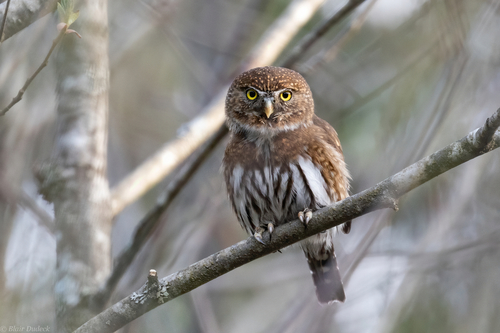 Northern Pygmy-Owl
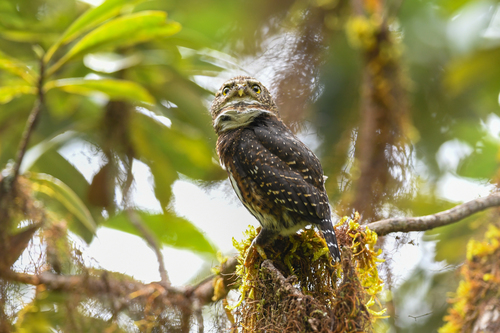 Costa Rican Pygmy-Owl
In breve
La separazione più affidabile tra Northern Pygmy-Owl e Costa Rican Pygmy-Owl è la geografia: Northern Pygmy-Owl si trova nell'ovest del Nord America, mentre Costa Rican Pygmy-Owl è limitato alla Costa Rica e a Panama. In osservazioni dirette sul campo, entrambi sono piccoli gufi con testa rotonda, occhi gialli e prominenti 'macchie oculari' nere sulla nuca, ma differenze sottili nel motivo della coda, nelle striature delle parti inferiori e nei segni facciali possono aiutare. Northern Pygmy-Owl tende a mostrare forti striature verticali sulle parti inferiori e una coda più lunga, mentre Costa Rican Pygmy-Owl ha una coda a bande con una punta bianca e striature meno prominenti. Entrambe le specie hanno forme brune e rufous, quindi il colore da solo non è diagnostico. La voce, il comportamento e il contesto dell'habitat possono anche aiutare, ma i segni visivi sono sottili e richiedono uno studio attento.
Consigli di identificazione
- L'areale è il segno più decisivo: Northern Pygmy-Owl si trova solo nell'ovest del Nord America, mentre Costa Rican Pygmy-Owl si trova solo in Costa Rica e Panama. Se ti trovi al di fuori dell'areale di uno, l'identificazione è chiara.
- Motivo della coda: Costa Rican Pygmy-Owl mostra una coda distintamente a bande con quattro barre bianche e una punta bianca, visibile quando è posato o in volo. La coda di Northern Pygmy-Owl è lunga e scura, priva di forti bande bianche, e può apparire proporzionalmente più lunga.
- Striature delle parti inferiori: Northern Pygmy-Owl ha forti striature verticali scure su un petto e una pancia bianchi, particolarmente pronunciate dalla parte superiore del petto in giù. Le parti inferiori di Costa Rican Pygmy-Owl sono bianche, ma i fianchi sono colorati come le parti superiori e le striature sono meno prominenti.
- Disco facciale: Il disco facciale di Costa Rican Pygmy-Owl è del colore di base (bruno o rufous) con segni stretti color crema e bianchi, dando un volto più patternato. Il disco facciale di Northern Pygmy-Owl è debolmente definito e meno contrastante.
- 'Macchie oculari' sulla nuca: Entrambe le specie hanno macchie nere sulla nuca bordate di bianco, quindi questo non è un separatore.
- Macchie sulla testa: Entrambi hanno teste macchiate di bianco, ma questo non è un separatore affidabile tra i due.
- Colore del becco: Entrambi hanno becchi giallastri, ma la mandibola di Costa Rican Pygmy-Owl è marrone chiaro con una punta gialla; questo è sottile e raramente visibile sul campo.
- Zampe e piedi: Entrambi hanno piedi gialli e zampe piumate; non è un separatore.
- Forme di colore: Entrambe le specie mostrano forme brune e rufous; non usare il colore generale da solo per l'identificazione.
- Comportamento di posarsi: Northern Pygmy-Owl spesso si posa in alto sulle conifere, specialmente quando chiama; Costa Rican Pygmy-Owl tende a cacciare da posatoi più bassi e densi.
- Suono del volo: Il volo di Northern Pygmy-Owl non è silenzioso e può produrre un suono ronzante o frusciante, ma questo è raramente diagnostico sul campo.
- Contesto dell'habitat: Northern Pygmy-Owl si trova in foreste temperate, spesso a elevate altitudini in boschi di conifere. Costa Rican Pygmy-Owl si trova in foreste montane tropicali o di collina.
- Attività: Costa Rican Pygmy-Owl è noto per cacciare sia di giorno che di notte, mentre Northern Pygmy-Owl è più spesso diurno o crepuscolare.
- Dimensioni e struttura: Entrambi sono simili in dimensioni, ma Northern Pygmy-Owl può apparire leggermente con la coda più lunga; questo è sottile e meglio utilizzato in confronto diretto.
- Piumaggio giovanile/immaturo: Non sono descritti segni specifici per età sulle ali superiori o sul motivo di volo per nessuna delle due specie, quindi concentrati sui segni sopra per tutte le età.
Taglia
Entrambe le specie sono molto simili in dimensioni, con intervalli di lunghezza sovrapposti: Northern Pygmy-Owl misura 15–17 cm di lunghezza, mentre Costa Rican Pygmy-Owl è 14.5–17 cm. I maschi di Costa Rican Pygmy-Owl pesano 53–70 g, le femmine fino a 99 g, ma il peso è raramente utile sul campo. Strutturalmente, Northern Pygmy-Owl può apparire leggermente con la coda più lunga, ma questo è sottile e meglio giudicato in confronto diretto.
Piumaggio
Non sono descritti segni specifici per età sulle ali superiori o sul motivo di volo per nessuna delle due specie, quindi ci si concentra sugli uccelli posati. Entrambe le specie hanno due macchie nere sulla nuca bordate di bianco ('macchie oculari'), occhi gialli e forme di colore simili (bruno o rufous). Northern Pygmy-Owl mostra una testa rotonda macchiata di bianco, un disco facciale debolmente definito e una coda lunga e scura. Le sue parti inferiori sono bianche con forti striature verticali scure dalla parte superiore del petto in giù. Anche Costa Rican Pygmy-Owl ha una testa macchiata e 'macchie oculari', ma la sua coda è distintamente a bande con quattro barre bianche e una punta bianca, e le parti inferiori sono bianche con i fianchi che corrispondono al colore delle parti superiori. Il disco facciale di Costa Rican Pygmy-Owl è del colore di base con segni stretti color crema e bianchi, mentre il disco facciale di Northern Pygmy-Owl è meno distinto. Entrambi hanno becchi giallastri, ma la mandibola di Costa Rican Pygmy-Owl è marrone chiaro con una punta gialla.
Comportamento
Northern Pygmy-Owl spesso si posa in modo appariscente in cima a conifere alte per chiamare, rendendolo più facile da individuare in terreni aperti o inclinati, ma la sua piccola dimensione e il colore criptico lo rendono difficile da vedere. Il suo volo non è silenzioso, producendo un suono ronzante o frusciante. Costa Rican Pygmy-Owl tipicamente caccia da posatoi bassi in folta vegetazione ed è attivo sia di giorno che di notte. Entrambe le specie possono muovere le loro code quando sono agitate, e entrambe usano cavità degli alberi per nidificare. La tendenza di Northern Pygmy-Owl a posarsi in alto e a chiamare può renderlo più visibile rispetto al più segreto Costa Rican Pygmy-Owl.
Habitat
Northern Pygmy-Owl si trova in una vasta gamma di habitat boschivi nell'ovest del Nord America, spesso in foreste di conifere. Costa Rican Pygmy-Owl è limitato alla Costa Rica e a Panama, tipicamente in foreste montane o di collina. Se ti trovi al di fuori dell'areale di una specie, questo da solo è diagnostico. Entrambe le specie usano cavità degli alberi per nidificare, ma il contesto dell'habitat (foresta temperata vs. foresta montana tropicale) è un forte indizio.
Northern Pygmy-Owl · Costa Rican Pygmy-Owl · I miei uccelli difficili