

Nankeen Kestrel vs Australian Hobby
Falco cenchroides contro Falco longipennis
Fai un quiz con Nankeen Kestrel e Australian Hobby
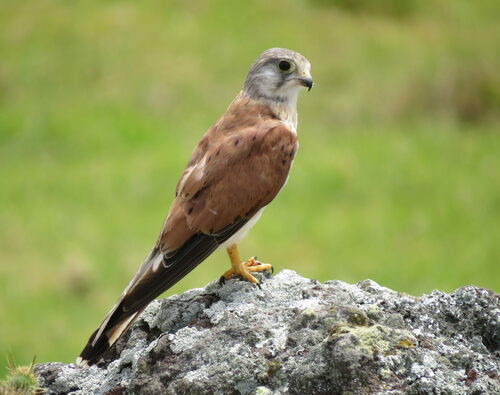 Nankeen Kestrel
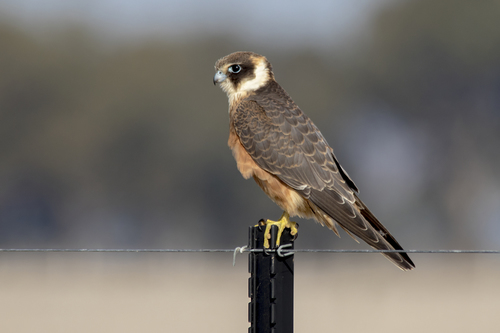 Australian Hobby
In breve
Il segno di campo più affidabile tra Nankeen Kestrel e Australian Hobby è il loro stile di volo e la struttura: Nankeen Kestrel è un falco snello, pallido e piccolo che spesso si libra con ali dritte e appuntite, mentre Australian Hobby è notevolmente più pesante, con ali più lunghe e raramente si libra, utilizzando invece battiti d'ali rapidi e flickering e un volo agile, basso e veloce. Negli uccelli posati, Nankeen Kestrel mostra parti superiori rufous pallide e un volto pallido, mentre Australian Hobby è complessivamente più scuro con un cappuccio e una maschera neri. I falchi giovanili e femminili hanno corone e code rufous, a differenza della testa scura dell'hobby. Entrambi possono apparire in campagna aperta, ma il loro comportamento e la loro struttura sono solitamente chiari con pazienza.
Consigli di identificazione
- Flight style: Nankeen Kestrel spesso si libra con ali dritte e appuntite e una postura ferma e immobile; Australian Hobby quasi mai si libra, utilizzando invece battiti d'ali rapidi e flickering e un volo agile, basso e veloce. Questa è la separazione più affidabile sul campo.
- Wing shape in flight: Le ali del Kestrel sono a bordo dritto e relativamente corte; le ali dell'hobby sono più lunghe, più strette e ripiegate all'indietro, dando una silhouette più simile a un falco.
- Upperwing pattern (all ages): Il Kestrel mostra ali superiori rufous pallide con penne di volo nere; le ali superiori dell'hobby sono complessivamente più scure, con meno contrasto tra copritrici e primarie.
- Tail shape and color: La coda del Kestrel è relativamente lunga e a punta quadrata, grigia pallida (maschio) o rufous (femmina/giovanile) con fine barratura; la coda dell'hobby è più corta rispetto al corpo, più scura e meno ovviamente barrata.
- Facial pattern: Il Kestrel ha un volto pallido con una leggera macchia scura a forma di lacrima (maschio) o una corona rufous pallida (femmina/giovanile); l'hobby ha un cappuccio e una maschera neri audaci, una fronte bianca e un mezzo-collare, dando un contrasto facciale più drammatico.
- Underparts: Il Kestrel è finemente striato e pallido sotto; l'hobby è più pesantemente striato o marcato, e può essere blu-grigio o rufous, ma sempre più scuro e più marcato del Kestrel.
- Perched jizz: Il Kestrel appare snello, eretto e delicato, spesso su fili o posatoi esposti; l'hobby è più massiccio, più orizzontale e raramente si posa così apertamente.
- Size impression: L'hobby è più grande e pesante, ma esiste sovrapposizione; usa in combinazione con altri segni.
- Behavior: Il volo a sosta del Kestrel è unico tra i piccoli falchi in Australia; la caccia dell'hobby è più dinamica, con picchiate e inseguimenti veloci.
- Habitat context: Il Kestrel è comune in terreni agricoli aperti e praterie, spesso visibile; l'hobby è meno comune, più riservato e spesso visto in volo piuttosto che posato.
- Juvenile confusion: I falchi giovanili sono particolarmente pallidi e rufous, con una corona e una coda rufous; gli hobby giovanili sono più scuri, con un cappuccio e una maschera nerastre già presenti.
- Sex differences: I falchi femmina e giovanili hanno più rufous sulla corona e sulla coda; i falchi maschi hanno una corona e una coda grigia. Le differenze sessuali dell'hobby sono principalmente nella dimensione, non nel piumaggio.
- Vocalizations: I richiami sono simili, ma quelli dell'hobby sono più acuti e più rapidi; non sono solitamente diagnostici a meno che non siano ascoltati bene.
- Pitfalls: In scarsa illuminazione, l'hobby può apparire più pallido, e i Kestrel trasandati possono apparire più scuri; controlla sempre lo stile di volo e il modello del volto.
- Seasonal context: Entrambe le specie sono presenti tutto l'anno in gran parte dell'Australia, ma il Kestrel è più probabile da vedere in campagna aperta in qualsiasi momento; l'hobby può essere più visibile durante la riproduzione o la migrazione.
Taglia
Australian Hobby è nettamente più pesante e massiccio, con una massa corporea media di circa 246 g rispetto ai 172,5 g del Nankeen Kestrel. Gli hobby hanno anche ali più lunghe (apertura alare fino a 87 cm contro 78 cm per il Kestrel) e leggermente più lunghi nel complesso (femmine 34–35,5 cm, maschi 30–32 cm, contro i 28–35 cm del Kestrel). Sul campo, l'hobby appare più robusto e potente, mentre il Kestrel è visibilmente snello e delicato.
Piumaggio
I falchi giovanili e femminili Nankeen Kestrels sono pallidi rufous sopra con una corona rufous e una coda finemente barrata rufous, mentre i maschi adulti hanno una corona e una coda grigie pallide. Tutte le età mostrano parti inferiori pallide, finemente striate e un aspetto generalmente pallido e meno marcato. Al contrario, l'Australian Hobby di tutte le età è più scuro, con un cappuccio e una maschera neri, fronte biancastra e un mezzo-collare; le parti inferiori possono essere blu-grigio o rufous ma sono sempre più pesantemente striate o marcate rispetto al Kestrel. Le parti superiori dell'hobby sono più scure e il volto è più contrastante. In volo, l'ala superiore del Kestrel è pallido rufous con penne di volo nere contrastanti, mentre le ali dell'hobby sono più lunghe, più strette e più scure, con meno contrasto tra copritrici e penne di volo. I falchi giovanili sono particolarmente pallidi e rufous, mentre gli hobby giovanili sono più scuri e più marcati.
Comportamento
Nankeen Kestrel è famoso per il suo volo a sosta: si libra frequentemente immobile sopra campi e praterie con ali dritte, scrutando la preda, e si posa anche in posti esposti come pali e fili. Australian Hobby raramente si libra; invece, caccia con battiti d'ali rapidi e flickering, spesso volando basso e veloce in zig-zag, ed è più aggressivo e agile nell'inseguimento. Gli hobby sono solitari e possono attaccare altri rapaci con picchiate, mentre i Kestrel sono più propensi a essere visti singolarmente o in coppie, a volte formando gruppi sciolti quando il cibo è abbondante.
Habitat
Entrambe le specie si trovano in campagna aperta, ma Nankeen Kestrel è molto più comune e diffuso in praterie aperte, terreni agricoli e aree leggermente boschive, spesso visto posato su fili o librarsi sopra i campi. Australian Hobby utilizza anche habitat aperti ma è meno probabile da vedere librarsi o posato in aperto; può essere trovato vicino ai margini del bosco, in foreste aperte o anche in parchi urbani, ma è generalmente meno appariscente del Kestrel e più spesso visto in volo attivo.
Voce
Entrambe le specie hanno richiami di allerta e contatto simili, ma i richiami dell'hobby sono più acuti e includono un rapido chiacchiericcio irritato (kee-kee-kee-kee-kee) e un cinguettio squillante, specialmente durante la riproduzione e la richiesta di cibo. I richiami del Nankeen Kestrel non sono dettagliati nelle note, ma sono descritti come simili a quelli dell'hobby. Le vocalizzazioni non sono solitamente diagnostiche a distanza, ma i richiami dell'hobby sono più penetranti e rapidi.
Nankeen Kestrel · Australian Hobby · I miei uccelli difficili