

Nacunda Nighthawk vs Short-tailed Nighthawk
Chordeiles nacunda contro Lurocalis semitorquatus
Fai un quiz con Nacunda Nighthawk e Short-tailed Nighthawk
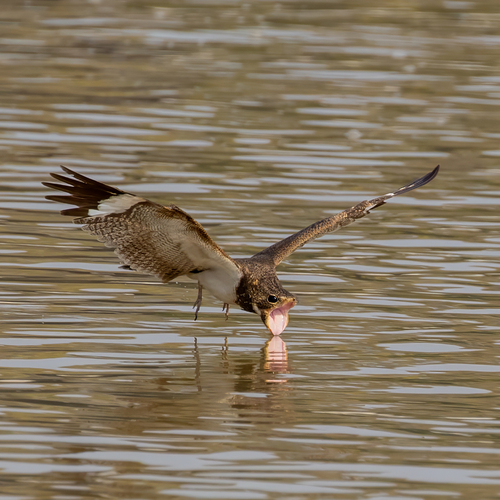 Nacunda Nighthawk
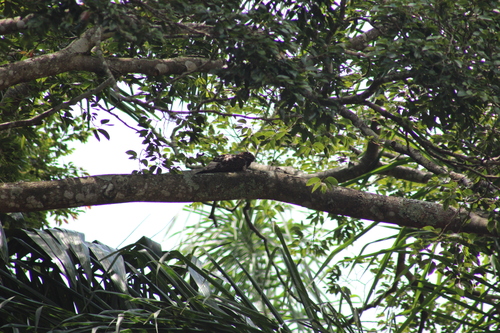 Short-tailed Nighthawk
In breve
Il segno di campo più affidabile per separare Nacunda Nighthawk da Short-tailed Nighthawk è la dimensione e la struttura complessiva: Nacunda è drammaticamente più grande, con una testa massiccia, lunghe gambe e un piumaggio chiaro e contrastante, mentre Short-tailed è più piccolo, più scuro e privo di marcature bianche audaci sulle ali. In volo, le primarie nere di Nacunda risaltano contro un corpo molto chiaro, mentre Short-tailed mostra ali uniformemente scure con macchie attenuate e una coda notevolmente corta. A terra, Nacunda è molto più probabile che venga visto in posizione eretta, grazie alle sue lunghe tarsi. Se vedi un grande, chiaro succiacapre con una grande testa e un forte contrasto bianco e nero, è Nacunda; un uccello più piccolo, compatto e scuro con una coda tozza e senza bianco nell'ala è Short-tailed.
Consigli di identificazione
- La dimensione è il separatore più veloce: Se l'uccello sembra enorme per un succiacapre, è quasi certamente Nacunda. Short-tailed è grande per un succiacapre ma molto più piccolo di Nacunda.
- Struttura della testa e delle gambe: Nacunda ha una testa massiccia e gambe insolitamente lunghe per un succiacapre, spesso in posizione eretta a terra. Short-tailed ha una testa proporzionalmente più piccola ed è raramente visto in piedi.
- Forma e lunghezza della coda: Short-tailed Nighthawk ha una coda notevolmente corta—cerca un aspetto con coda tozza in volo o posato. La coda di Nacunda è proporzionata al suo grande corpo.
- Schema delle ali in volo: Nacunda mostra primarie nere audaci che contrastano con un corpo e ali chiare. Le ali di Short-tailed sono uniformemente scure con solo macchie sottili e attenuate—nessuna macchia bianca o nera audace.
- Contrasto del piumaggio: Nacunda è complessivamente chiaro, specialmente sul corpo e sulle parti inferiori, con un forte contrasto bianco e nero. Short-tailed è marrone scuro fino a nero sopra, con macchie rufous e buff, e le parti inferiori sono di un buff bruno con barre marroni.
- Bianco nell'ala: A differenza di molti succiacapre, Short-tailed non ha marcature bianche audaci nell'ala—questo è un punto chiave. Le primarie nere di Nacunda risaltano contro l'ala chiara.
- Comportamento a terra: Se vedi un succiacapre in posizione eretta su terreno aperto, specialmente alla luce del giorno, è molto più probabile che sia Nacunda. Short-tailed è quasi mai visto in questo modo.
- Contesto dell'habitat: Praterie aperte, savane e campi degradati favoriscono Nacunda. I margini delle foreste, le radure e le rive dei fiumi nella foresta pluviale di pianura sono più propensi a ospitare Short-tailed.
- Stile di volo: Il volo di Nacunda è potente, lento e con ali ampie, in linea con la sua dimensione. Short-tailed è più agile e compatto, con un volo rapido e con ali corte.
- Schema della coda: La coda di Short-tailed è marrone con barre brune/grigiastre e una stretta banda chiara alla punta—cerca questo se la coda è visibile. La coda di Nacunda è meno distintamente marcata.
- Colore delle parti inferiori: Nacunda è chiaro sotto; Short-tailed è buff/tawny con barre marroni.
- Vocalizzazioni: Se senti le ripetute chiamate 'ewIT' o 'g'wik', è probabile che tu stia sentendo Short-tailed; la voce di Nacunda non è descritta qui.
- Sovrapposizione geografica: Entrambe le specie possono verificarsi nel nord del Sud America e a Trinidad e Tobago, ma Nacunda è assente dagli interni delle foreste dense, mentre Short-tailed è raro in campagna aperta.
- Variazione delle sottospecie: Short-tailed mostra alcune variazioni nelle macchie e nelle barre per sottospecie, ma nessuna si avvicina al forte contrasto di Nacunda.
- Trappole: Gli uccelli immaturi o usurati di entrambe le specie non sono descritti in dettaglio, ma le differenze strutturali e di dimensione sono così forti che la confusione è improbabile se queste vengono valutate con attenzione.
Taglia
Nacunda Nighthawk è di gran lunga la specie più grande, misurando 27,5–32 cm di lunghezza e mediamente 159 g di massa (intervallo 130–188 g). Short-tailed Nighthawk è molto più piccolo, a 19–21 cm e circa 80–89 g. La differenza è sorprendente sul campo: Nacunda appare massiccio e pesante, con una grande testa e lunghe gambe, mentre Short-tailed è compatto, con una coda corta e meno massa complessiva. Se entrambi vengono visti insieme, Nacunda sovrasta Short-tailed.
Piumaggio
Non sono descritti schemi specifici per l'età delle ali superiori per nessuna delle due specie, ma il piumaggio adulto è distintivo. Nacunda Nighthawk è complessivamente chiaro con un modello altamente contrastante: il corpo è chiaro e le primarie sono nere, creando un effetto audace bianco e nero in volo. Short-tailed Nighthawk è molto più scuro, con parti superiori e ali marrone scuro fino a nero, macchiate di rufous e buff, ma privo di marcature bianche audaci sulle ali. La sua coda è corta, marrone con barre brune o grigiastre e una stretta banda chiara alla punta. Le parti inferiori di Short-tailed sono anche più scure, con una miscela di barre marroni, buff e tawny, mentre la chiarezza di Nacunda si estende sotto. La mancanza di macchie bianche sulle ali in Short-tailed è una differenza chiave rispetto a molti altri succiacapre, e soprattutto rispetto al Nacunda dalle ali sorprendentemente chiare.
Comportamento
Nacunda Nighthawk è insolito tra i succiacapre per le sue abitudini parzialmente diurne e il comportamento frequente di stare a terra, reso possibile dalle sue lunghe tarsi. È spesso visto in posizione eretta su terreno aperto, non solo al crepuscolo o all'alba. Short-tailed Nighthawk è un tipico insettiere aereo, che si nutre principalmente al crepuscolo e raramente visto a terra. In volo, Nacunda appare grande e potente, con battiti d'ali lenti e forti e un'apertura alare ampia, mentre Short-tailed è più compatto e agile, con una coda notevolmente corta e un profilo di volo meno imponente.
Habitat
Nacunda Nighthawk favorisce habitat aperti come savane secche, praterie stagionalmente umide o allagate e foreste ex pesantemente degradate in gran parte del Sud America. È più probabile trovarlo in campagna aperta piuttosto che in foreste dense. Short-tailed Nighthawk, al contrario, è principalmente un uccello della foresta sempreverde di pianura, ma può anche essere trovato in radure, margini di fiumi, vecchie piantagioni e foreste secondarie. La sua distribuzione è più ampia, includendo l'America Centrale e gran parte del nord e del centro del Sud America, ma evita gli habitat aperti preferiti da Nacunda.
Voce
Short-tailed Nighthawk ha un richiamo distintivo, che varia per sottospecie ma tipicamente descritto come una ripetizione di 'ewIT ... ewIT ... ewIT ...' o un 'g'wik' o 'gweek' acuto e liquido, emesso sia in volo che quando posato. Non sono fornite informazioni sulla vocalizzazione per Nacunda Nighthawk nelle note, quindi la voce non è un separatore affidabile a meno che Short-tailed non stia chiamando.
Nacunda Nighthawk · Short-tailed Nighthawk · I miei uccelli difficili