
Mountain Hawk-Eagle vs Gray-faced Buzzard
Nisaetus nipalensis contro Butastur indicus
Fai un quiz con Mountain Hawk-Eagle e Gray-faced Buzzard
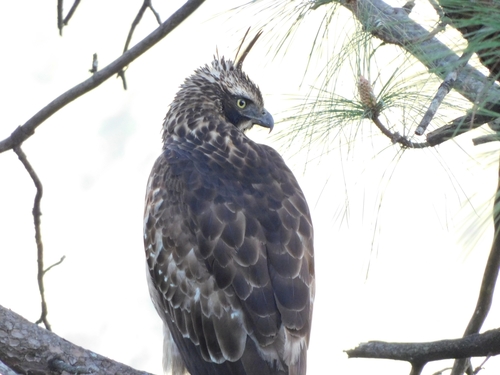 Mountain Hawk-Eagle
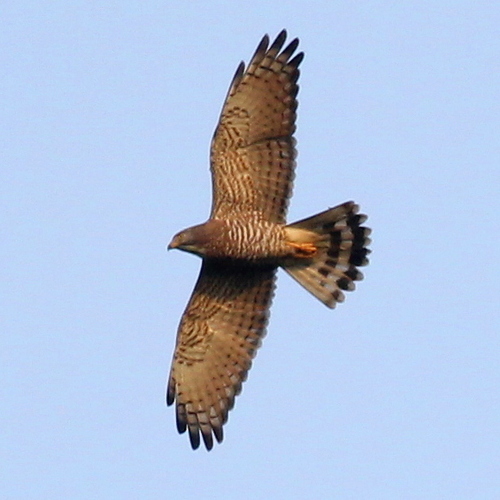 Gray-faced Buzzard
In breve
Il segno distintivo più affidabile per separare il Mountain Hawk-Eagle e il Gray-faced Buzzard, specialmente in volo, è la struttura complessiva: il Hawk-Eagle è molto più grande, massiccio, con ali larghe e arrotondate e una testa e cresta prominenti, mentre il Buzzard è decisamente più piccolo, con ali lunghe, strette e appuntite e una testa proporzionalmente più piccola. Le piume giovanili possono essere confuse, ma il giovane Hawk-Eagle mostra un ventre color sabbia uniforme e un effetto squamato sopra, mentre il giovane Buzzard è chiaro sotto con striature marroni e un supercilium bianco audace. Gli adulti sono anche facilmente separabili per il motivo della testa e le barre delle parti inferiori. Considera sempre prima la dimensione e il jizz, poi controlla la cresta e la forma della testa, e infine cerca i dettagli del piumaggio se le viste lo permettono.
Consigli di identificazione
- Dimensione e struttura: Il Mountain Hawk-Eagle è molto più grande e massiccio del Gray-faced Buzzard. Se vedi entrambi insieme, il Hawk-Eagle sovrasta il Buzzard. Usa questo come tuo primo controllo, specialmente in volo o appollaiato a distanza.
- Forma dell'ala in volo: Il Hawk-Eagle ha ali larghe e arrotondate con secondarie sporgenti e una testa/collo prominenti; il Buzzard ha ali lunghe, strette e appuntite, dando una silhouette più simile a un falco. Questo è particolarmente evidente negli uccelli che planano o volano in alto.
- Cresta: Il Hawk-Eagle mostra sempre una cresta nera prominente (con una punta color sabbia o bianca a seconda dell'età), visibile sia appollaiato che in volo. Il Buzzard non ha affatto una cresta: la sua testa è liscia e arrotondata.
- Motivo della testa (adulti): L'adulto Hawk-Eagle ha una testa rugginosa con audaci striature nere e un effetto colletto rugginoso; l'adulto Buzzard ha una testa grigia pulita, petto e collo, con una gola bianca e strisce nera moustachial/mesiale. Il volto del Buzzard è più nettamente disegnato e manca delle striature del Hawk-Eagle.
- Parti inferiori giovanili: Il giovane Hawk-Eagle ha un ventre color sabbia/tawny uniforme (senza barre o striature); il giovane Buzzard è chiaro sotto con striature marroni. Se vedi un ventre uniforme e non striato, è un giovane Hawk-Eagle; se è striato o barrato, è un Buzzard.
- Supercilium (giovani): I giovani Buzzard hanno un ampio supercilium bianco e un volto marrone, dando un aspetto 'mascherato'. I giovani Hawk-Eagle mancano di un forte supercilium e hanno una corona e nuca più uniformi e striate.
- Motivo dell'ala superiore (giovani): I giovani Hawk-Eagle mostrano un effetto squamato sopra dai bordi delle piume chiare e macchie color sabbia a metà ala; i giovani Buzzard sono più uniformemente marroni e maculati, privi di un aspetto squamato forte.
- Motivo della coda: La coda del Hawk-Eagle è grigio-marrone con bande nere oscure e una punta bianca (in entrambe le età); la coda del Buzzard è marrone cenere con barre orizzontali chiare (adulti e giovani). Le barre della coda del Buzzard sono solitamente più distinte.
- Motivo dell'ala inferiore: L'adulto Hawk-Eagle ha rivestimenti delle ali rugginosi con maculature scure e barre nere sulle secondarie grigio-chiaro; l'adulto Buzzard ha barre marroni sulle ali inferiori bianche. Il giovane Hawk-Eagle ha più color sabbia/tawny sotto e punte delle ali nere; il giovane Buzzard è più chiaro con striature.
- Colore degli occhi: L'adulto Hawk-Eagle ha occhi dorati a giallo-arancio; i giovani hanno occhi blu-grigi chiari a giallo chiaro. Gli adulti Buzzard hanno iridi gialle brillanti, i giovani marroni con color sabbia.
- Postura appollaiata: Il Hawk-Eagle si siede eretto, spesso con la cresta sollevata e una postura potente e con gambe spesse. Il Buzzard si appollaia più orizzontalmente, con un profilo più snello e più piccolo e senza cresta.
- Piumaggio delle gambe: Il Hawk-Eagle ha gambe pesantemente piumate (da qui 'piedi piumati'); le gambe del Buzzard sono meno piumate e appaiono più snelle.
- Becco e piedi: Il Hawk-Eagle ha un becco più grande e robusto e piedi più spessi; il Buzzard ha un becco e piedi proporzionalmente più piccoli e più fini.
- Contesto dell'habitat: In fitte foreste montane, aspettati il Hawk-Eagle; in boschi aperti, bordi forestali o terreni agricoli, il Buzzard è più probabile.
- Stile di volo: Il volo del Hawk-Eagle è pesante, con battiti e planate poco profondi, ali spesso tenute in una V poco profonda; il Buzzard è più leggero, con un volo più agile e galleggiante e ali appuntite.
Taglia
Il Mountain Hawk-Eagle è un grande rapace, sostanzialmente più grande e massiccio del Gray-faced Buzzard. La dimensione del Hawk-Eagle è più vicina a un grande buteo o a un piccolo aquila, con una corporatura potente e ali larghe, mentre il Buzzard è un piccolo rapace (41–46 cm), molto più snello e compatto. In confronto diretto, il Buzzard apparirà visibilmente più piccolo, più leggero e più agile, con un becco più corto e snello e piedi più piccoli. Questa differenza di dimensione è ovvia anche a distanza o in stormi misti di rapaci.
Piumaggio
-
Giovani: I giovani Mountain Hawk-Eagle sono marroni scuri sopra con bordi delle piume chiari a crema o bianchi che danno un aspetto squamato, e un ventre uniforme color sabbia a tawny (senza barre o striature), con una cresta nera con punta bianca. La loro coda è sottilmente striata di marrone con una punta bianca. Al contrario, i giovani Gray-faced Buzzard sono marroni e maculati sopra, chiari sotto con striature marroni (non uniformi), e hanno un ampio supercilium bianco e un volto marrone. Le loro parti inferiori sono striate, non uniformi, e il volto è più disegnato.
-
Adulti: Gli adulti Mountain Hawk-Eagle sono marroni scuri sopra, rugginosi sulla testa con audaci striature nere, e hanno una cresta nera con una punta color sabbia. Le parti inferiori sono audacemente barrate rugginose su bianco, con una gola e un'area malare contrassegnate in modo contrastante. La coda è grigio-marrone con bande nere oscure. Gli adulti Gray-faced Buzzard hanno una testa grigia, petto e collo, gola bianca, strisce nere moustachial e mesiali, dorso e ali marroni, e barre marroni su parti inferiori bianche e ali inferiori. La testa del Buzzard è grigia pulita con una gola bianca sorprendente e marcature facciali nere, mentre la testa del Hawk-Eagle è rugginosa e striata, con una cresta prominente.
-
In volo: Il Hawk-Eagle mostra ali larghe e arrotondate con secondarie sporgenti e una testa/cresta prominenti; gli adulti hanno rivestimenti delle ali rugginosi e secondarie barrate. I giovani hanno più color sabbia/tawny sotto e punte delle ali nere. I Buzzard hanno ali appuntite e strette con piume da volo traslucide, e gli adulti mostrano barre marroni su ali inferiori bianche; i giovani sono più chiari sotto con striature, non barre.
Comportamento
Il Mountain Hawk-Eagle è potente e agile, spesso planando con le ali in una V poco profonda o planando con forti battiti d'ala poco profondi e ali livellate. Il suo volo è pesante e manovrabile, con una testa prominente e ali corte e arrotondate. Il Gray-faced Buzzard è più leggero e più galleggiante, con un volo rapido e agile, spesso visto planare o volare in alto su ali strette e appuntite. Il volo del Buzzard è meno potente, più simile a un falco, e l'uccello appare più snello e meno massiccio. Appollaiato, il Hawk-Eagle si siede eretto con una cresta sollevata, mentre il Buzzard appare più piccolo, con un profilo più snello e senza cresta.
Habitat
Entrambe le specie sono rapaci asiatici, ma il Mountain Hawk-Eagle è associato a montagne e pendii boscosi, spesso nell'Himalaya e in regioni montane simili. Il Gray-faced Buzzard nidifica nell'Asia orientale temperata (Manciukuò, Corea, Giappone) e sverna nel sud-est asiatico, spesso in boschi aperti, bordi forestali o aree agricole. Nelle zone di sovrapposizione, il contesto può aiutare: un grande rapace in una fitta foresta montana è più probabile che sia un Hawk-Eagle, mentre un rapace più piccolo in habitat aperti o di confine potrebbe essere un Buzzard.
Mountain Hawk-Eagle · Gray-faced Buzzard · I miei uccelli difficili