
Mountain Hawk-Eagle vs Changeable Hawk-Eagle
Nisaetus nipalensis contro Nisaetus cirrhatus
Fai un quiz con Mountain Hawk-Eagle e Changeable Hawk-Eagle
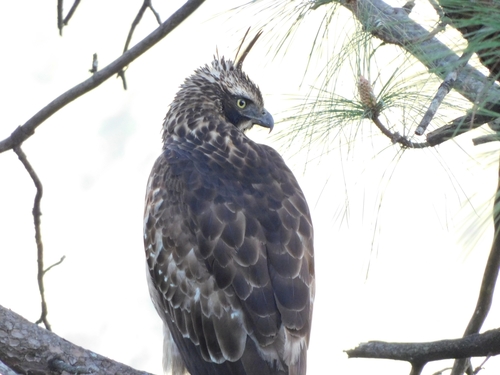 Mountain Hawk-Eagle
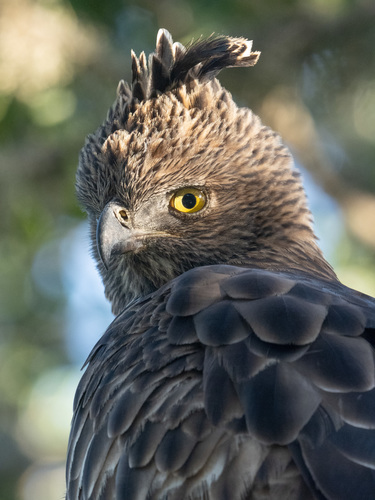 Changeable Hawk-Eagle
In breve
I giovani Mountain Hawk-Eagle e Changeable Hawk-Eagle possono sembrare confusamente simili in volo, ma il miglior segno distintivo è il modello delle ali inferiori e delle parti inferiori: i giovani Mountain Hawk-Eagle mostrano un ventre uniforme da buffo a fulvo con minime striature, mentre i giovani Changeable Hawk-Eagle sono solitamente molto più bianchi sotto con sottili striature o macchie sul petto e un modello di testa più variabile. Gli adulti sono più facili da distinguere: i Mountain Hawk-Eagle hanno un ventre rufoso a barre audaci e una testa arrugginita e striata, mentre i Changeable Hawk-Eagle sono striati sotto con una base bianca o buffa e hanno una cresta più variabile. Entrambi hanno ali corte e larghe e lunghe code, ma le ali del Mountain Hawk-Eagle sono più arrotondate e sporgenti, dando un aspetto schiacciato alla base posteriore. La struttura e lo stile di volo differiscono sottilmente, ma il piumaggio—soprattutto negli immaturi—è il separatore più affidabile.
Consigli di identificazione
- Colore delle parti inferiori nei giovani: I giovani Mountain Hawk-Eagle sono uniformemente buffi a fulvi sotto con poche o nessuna striatura, mentre i giovani Changeable Hawk-Eagle sono molto più bianchi sotto, spesso con sottili striature o macchie sul petto e un modello di testa più variabile. Questo è il segno più affidabile per gli immaturi.
- Copritrici superiori nei giovani: I giovani Mountain Hawk-Eagle hanno un effetto squamato sulle copritrici superiori con macchie fulve a metà ala; i giovani Changeable Hawk-Eagle hanno una scalatura bianca più estesa, a volte con copritrici mediane quasi tutte bianche.
- Modello della testa nei giovani: I giovani Mountain Hawk-Eagle hanno striature scure sulla corona, guancia, nuca e collo posteriore, ma il resto della testa è buffo; i giovani Changeable Hawk-Eagle possono avere una testa buffa o biancastra con macchie o striature scure sulla corona posteriore e sulla nuca, e una cresta nera con punta bianca (soprattutto nell'India peninsulare e nello Sri Lanka).
- Modello della coda nei giovani: Entrambi hanno una coda a bande con punta chiara, ma le bande del Mountain Hawk-Eagle sono meno distinte e meno numerose, mentre la coda del Changeable Hawk-Eagle è marrone chiaro con circa sette sottili barre scure.
- Modello delle parti inferiori negli adulti: Gli adulti Mountain Hawk-Eagle sono a barre rufose su bianco sotto, con audaci strisce nerastre sulla gola; i Changeable Hawk-Eagle sono bianchi a buffi sotto con audaci striature nere o marrone scuro, non barre.
- Testa e cresta negli adulti: Gli adulti Mountain Hawk-Eagle hanno una testa arrugginita e fortemente striata e una cresta per lo più nera con una punta buffa; gli adulti Changeable Hawk-Eagle hanno una testa variabilmente striata, a volte con sfumature rufose e una cresta nera, spesso floscia (a volte assente).
- Modello della coda negli adulti: Gli adulti Mountain Hawk-Eagle hanno una coda marrone grigiastro con bande nerastre poco evidenti; gli adulti Changeable Hawk-Eagle hanno una coda marrone più chiara con una larga banda subterminale nerastra e 3–4 barre più strette.
- Modello delle ali inferiori in volo: Gli adulti Mountain Hawk-Eagle mostrano rivestimenti delle ali inferiori arrugginiti con macchie scure e ampie barre nerastre sulle secondarie; gli adulti Changeable Hawk-Eagle hanno rivestimenti delle ali inferiori più chiari e barre meno contrastanti.
- Forma delle ali in volo: Il Mountain Hawk-Eagle mostra secondarie sporgenti e una base dell'ala posteriore schiacciata, dando un aspetto arrotondato e largo; il Changeable Hawk-Eagle ha bordi posteriori più dritti e un'ala leggermente più snella.
- Lunghezza delle ali in perching: Sugli uccelli in perching, le ali del Changeable Hawk-Eagle raggiungono solo circa un terzo o metà della coda, un segno sottile ma a volte utile.
- Stile di volo: Il Mountain Hawk-Eagle plana con battiti superficiali e una V poco profonda, ali premute in avanti; il volo del Changeable Hawk-Eagle è potente ma con una V meno pronunciata e ali più livellate.
- Colore degli occhi: Gli adulti Mountain Hawk-Eagle hanno occhi dorati a giallo-arancio; gli adulti Changeable Hawk-Eagle hanno occhi gialli a giallo-arancio. I giovani differiscono: i giovani Mountain Hawk-Eagle hanno occhi blu-grigiastro chiaro a giallo chiaro; i giovani Changeable Hawk-Eagle hanno occhi grigio-marroni a verde chiaro.
- Forma e presenza della cresta: La cresta del Mountain Hawk-Eagle è per lo più nera con una piccola punta buffa e sempre presente; la cresta del Changeable Hawk-Eagle è nerastra, spesso floscia o a volte assente, e può variare in lunghezza.
- Colore delle piume delle gambe: I giovani Mountain Hawk-Eagle hanno piume delle gambe bianche; i giovani Changeable Hawk-Eagle mostrano barre fulve o sono meno distintamente colorati.
- Contesto dell'habitat: In foreste montane ad alta quota o dense, è più probabile trovare il Mountain Hawk-Eagle; in aree boschive aperte o di pianura, è favorito il Changeable Hawk-Eagle. Utilizzare sempre l'habitat come prova di supporto, non come segno primario.
Taglia
Entrambe le specie sono grandi e potenti rapaci con dimensioni e proporzioni complessive simili. Non c'è una differenza di dimensioni affidabile sul campo: entrambe hanno ali corte e larghe e lunghe code. Qualsiasi differenza di dimensioni percepita è probabilmente dovuta alla postura o all'angolo piuttosto che a misurazioni effettive. [wikipedia][avonet]
Piumaggio
- Giovani/immaturi (primi 2–3 anni):
- I giovani Mountain Hawk-Eagle sono marrone scuro sopra con bordi chiari da crema a bianchi sulle piume, creando un effetto squamato sulle copritrici delle ali e macchie più fulve a metà ala. Le parti inferiori sono uniformemente buffe a fulve, estendendosi alla testa e ai fianchi del collo, con striature scure solo sulla corona, guancia, nuca e collo posteriore. I rivestimenti delle ali inferiori sono anche buffi a fulvi, e le punte delle ali sono nere, a volte formando un vago arco carpale. La coda è sottilmente a bande marrone con una punta bianca.
- I giovani Changeable Hawk-Eagle sono anch'essi marrone scuro sopra ma hanno bordi bianchi molto più evidenti su mantello e ali, a volte con copritrici mediane per lo più bianche. Le parti inferiori sono più variabili: in gran parte dell'India e dello Sri Lanka, mostrano sottili striature marroni sul petto o piccole macchie sul petto, con barre fulve poco evidenti sulle cosce e sulle gambe; altrove, possono essere quasi completamente bianchi sotto. La testa può essere buffa con una cresta nera con punta bianca o quasi tutta biancastra, ma sempre con alcune macchie o striature scure sulla corona posteriore e sulla nuca. La coda è marrone chiaro con circa sette sottili barre scure e una punta bianca.
- Adulti:
- Gli adulti Mountain Hawk-Eagle sono marrone scuro sopra con bordi più chiari sulle copritrici, una testa arrugginita con forti striature nere, una cresta per lo più nera con una punta buffa, e una coda con bande nerastre poco evidenti. La gola ha audaci strisce nerastre, e le parti inferiori sono a barre rufose su un fondo bianco. I rivestimenti delle ali inferiori sono arrugginiti, più chiari nella parte anteriore, e le secondarie sono ampiamente a barre nerastre su grigio. Le primarie hanno una base più bianca e punte più scure.
- Gli adulti Changeable Hawk-Eagle sono marrone scuro sopra con bordi pallidi poco evidenti sulle copritrici, una testa variabilmente striata e con sfumature rufose, e una cresta nerastra (a volte floscia o assente). La coda è marrone più chiara con una larga banda subterminale nerastra e 3–4 barre più strette. Le parti inferiori sono bianche a buffe con audaci striature nere o marrone scuro, più sottili sull'addome e più evidenti sulle gambe. Ci sono anche forme intermedie e scure, ma la forma chiara è più simile al Mountain Hawk-Eagle.
- Invecchiamento: Entrambe le specie impiegano fino a 4 anni per raggiungere il piumaggio adulto completo, ma i giovani Mountain Hawk-Eagle rimangono molto più semplici sotto per più tempo, mentre i giovani Changeable Hawk-Eagle sviluppano striature e perdono il bianco più rapidamente.
Comportamento
Entrambe le specie si posano in posizione eretta e possono essere viste in aree aperte o semiaperte, ma il Mountain Hawk-Eagle è più probabile trovarlo in foreste dense o a quote più elevate, spesso planando con battiti superficiali e planate, ali in una V poco profonda e premute leggermente in avanti. Il Changeable Hawk-Eagle si posiziona in modo eretto e può utilizzare posatoi più aperti. In volo, il Mountain Hawk-Eagle mostra una testa prominente e secondarie sporgenti, creando un aspetto schiacciato alla base dell'ala posteriore, mentre il Changeable Hawk-Eagle ha bordi posteriori leggermente più dritti e una forma dell'ala più snella. Entrambi sono agili e potenti, ma il Mountain Hawk-Eagle è noto per un volo particolarmente veloce e manovrabile.
Habitat
Il Mountain Hawk-Eagle è tipicamente associato a foreste collinari o montuose, specialmente nell'Himalaya e in altre aree montane. Il Changeable Hawk-Eagle è più adattabile, trovato in una gamma più ampia di habitat boschivi, da foreste dense a boschi aperti e persino piantagioni, spesso a quote più basse. Se visto in foreste montane dense, è più probabile trovare il Mountain Hawk-Eagle; in aree aperte o di pianura, è favorito il Changeable Hawk-Eagle.
Mountain Hawk-Eagle · Changeable Hawk-Eagle · I miei uccelli difficili