

Calandrina vs Cappellaccia
Alaudala rufescens contro Galerida cristata
Fai un quiz con Calandrina e Cappellaccia
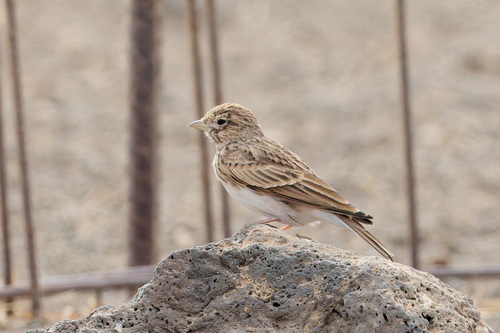 Calandrina
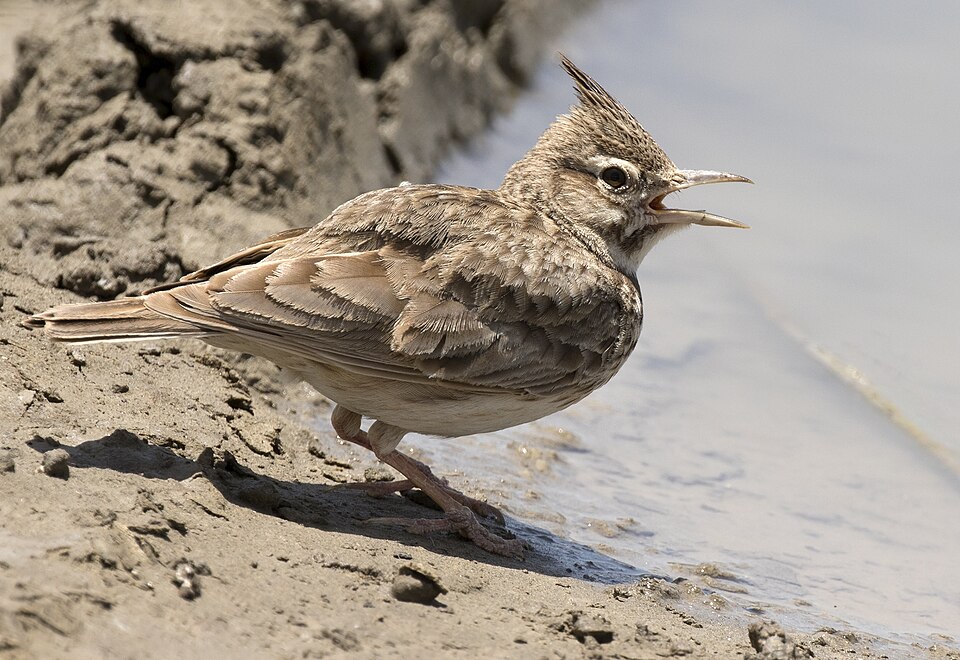 Cappellaccia
In breve
Il segno di campo più affidabile per separare la Calandrina dalla Cappellaccia è la presenza di una cresta prominente sulla seconda, sempre visibile quando è posata o allerta, mentre la Calandrina non ha alcuna cresta e presenta una testa visibilmente più piccola e rotonda. I giovani Cappellacce mostrano più macchie sulla schiena, ma anche gli adulti sono più robusti e lunghi rispetto alla Calandrina, che è più compatta e striata. La forma del becco è anche fondamentale: la Calandrina ha un becco corto, tozzo e meno conico, mentre il becco della Cappellaccia è più lungo e robusto. In volo, la Cappellaccia mostra ali inferiori rossastre, una caratteristica assente nella Calandrina. Entrambi sono allodole brune con parti inferiori chiare, ma prestare attenzione alla forma della testa, al becco e soprattutto alla cresta eviterà confusione.
Consigli di identificazione
- Cresta: La Cappellaccia mostra sempre una cresta prominente e appuntita, specialmente quando è allerta o canta; la Calandrina non mostra mai una cresta. Questo è il segno di campo più affidabile a qualsiasi distanza o età.
- Forma della Testa: La Calandrina ha una testa più piccola e rotonda, mentre la testa della Cappellaccia è più robusta e angolare a causa della cresta.
- Forma del Becco: La Calandrina ha un becco corto, tozzo e meno conico; il becco della Cappellaccia è più lungo, più robusto e leggermente ricurvo. La forma del becco è particolarmente utile quando la cresta non è completamente sollevata.
- Dimensioni: La Cappellaccia è visibilmente più grande e robusta (17 cm contro 13–14 cm), con un corpo più pesante e un'apertura alare più lunga. La differenza di dimensioni è ovvia in un confronto diretto, ma meno evidente a distanza o con uccelli solitari.
- Striature delle Parti Superiori (Giovani): I giovani Cappellacce hanno più macchie sulla schiena rispetto agli adulti, ma la Calandrina di tutte le età è più finemente e ampiamente striata sul petto.
- Schema del Petto: La Calandrina mostra una fine e ampia striatura sul petto; il petto della Cappellaccia è meno striato e appare più chiaro nel complesso.
- Colore delle Ali Inferiori in Volo: La Cappellaccia mostra ali inferiori rossastre in volo, una caratteristica assente nella Calandrina. Questo è un segno chiave quando gli uccelli si alzano in volo o vengono visti sopra la testa.
- Coda: La Cappellaccia ha una coda corta con piume esterne di colore marrone chiaro; la coda della Calandrina non è specificamente descritta come diagnostica, ma è proporzionalmente più corta e meno contrastante.
- Supercilio: La Calandrina ha un supercilio chiaro (linea dell'arcata sopracciliare) che può essere visibile a distanza ravvicinata; il pattern facciale della Cappellaccia è meno marcato, dominato dalla cresta.
- Macchie sul Collo: La Calandrina non ha macchie scure sul collo, il che può aiutare a separarla da alcune allodole Calandrella, ma non è un segno per la Cappellaccia.
- Canto in Volo e Comportamento: La Cappellaccia spesso canta da terra o in alto nell'aria, mostrando la sua cresta; la Calandrina è meno appariscente e non esegue voli di canto così prominenti.
- Tono del Piumaggio: Entrambe le specie sono brune sopra e chiare sotto, ma la Calandrina è generalmente più opaca e meno contrastante, con più striature.
- Contesto dell'Habitat: La Cappellaccia è più probabile trovarla in terreni disturbati, terre incolte e margini urbani; la Calandrina preferisce terreni aperti, asciutti, spesso sabbiosi o rocciosi lontano da attività umane intense.
- Voce: Il canto della Calandrina è più ricco e variegato, ma questo è sottile e meglio percepito da ascoltatori esperti; il canto della Cappellaccia è una serie liquida e gorgheggiante di frasi.
- Trappole: Attenzione a confondere la Calandrina con le allodole Calandrella, ma la mancanza di cresta e la fine striatura del petto aiutano a separarla dalla Cappellaccia. La forma del becco e della testa è critica quando la cresta non è evidente.
Taglia
La Cappellaccia è significativamente più grande, raggiungendo circa 17 cm di lunghezza e pesando 37–55 g, con un'apertura alare di 29–38 cm [wikipedia]. La Calandrina è più piccola, con una lunghezza di 13–14 cm [wikipedia]. Sul campo, la Cappellaccia appare più robusta con una testa e un corpo proporzionalmente più grandi, mentre la Calandrina è più compatta e delicata nel complesso.
Piumaggio
I giovani Cappellacce hanno più macchie sulla schiena rispetto agli adulti, ma tutte le età mostrano una cresta distintiva e appuntita che è sempre visibile, specialmente quando sono allerta o cantano [wikipedia]. La Calandrina non mostra mai una cresta e ha una testa più rotonda e piccola. Entrambe le specie sono brune sopra e chiare sotto, ma la Calandrina è generalmente più opaca con striature più fini e ampie sul petto. Il piumaggio della Cappellaccia è descritto come lanoso ma scarso e appare biancastro, con una coda corta e piume esterne di coda marrone chiaro. In volo, la Cappellaccia mostra ali inferiori rossastre, un segno utile in tutte le età; la Calandrina manca di questa caratteristica. La Calandrina ha anche un supercilio chiaro e non ha macchie scure sul collo, mentre il pattern facciale della Cappellaccia è più semplice ma dominato dalla cresta.
Comportamento
La Cappellaccia spesso canta da terra o in alto nell'aria, mostrando la sua cresta durante il canto o le esibizioni territoriali. Il suo volo è ondulato e può essere vista foraggiando apertamente in terre incolte o ai lati delle strade. La Calandrina è meno appariscente, tipicamente foraggiando a terra in habitat aperti e asciutti, e non mostra una cresta né esegue voli di canto così prominenti. Entrambe le specie si nutrono di semi e insetti, ma la Cappellaccia è nota per la sua adattabilità ai margini urbani e ai terreni disturbati.
Habitat
La Calandrina si trova in e intorno al Bacino del Mediterraneo, preferendo terreni aperti, asciutti e spesso sabbiosi o rocciosi, dalle Isole Canarie e dalla Penisola Iberica fino al Nord Africa e al Medio Oriente [wikipedia]. La Cappellaccia è diffusa in tutta l'Eurasia e nel nord Africa, spesso trovata in terre incolte, campi agricoli e ai margini delle città. È più tollerante verso ambienti alterati dall'uomo rispetto alla Calandrina.
Voce
La Calandrina ha un canto più ricco, variegato e imitatore rispetto ai suoi parenti [wikipedia], ma il confronto diretto con la Cappellaccia è limitato nelle note. Il canto della Cappellaccia è una serie liquida e gorgheggiante di frasi (whee-whee-wheeoo o twee-tee-too), eseguito sia da terra che in alto nell'aria, ma non durante l'ascesa come nell'allodola. Entrambe sono uccelli canori, ma il canto della Cappellaccia è più probabile che venga udito da un posatoio prominente o durante i voli di esibizione.