

Madagascar Harrier-Hawk vs Madagascar Cuckoo-Hawk
Polyboroides radiatus contro Aviceda madagascariensis
Fai un quiz con Madagascar Harrier-Hawk e Madagascar Cuckoo-Hawk
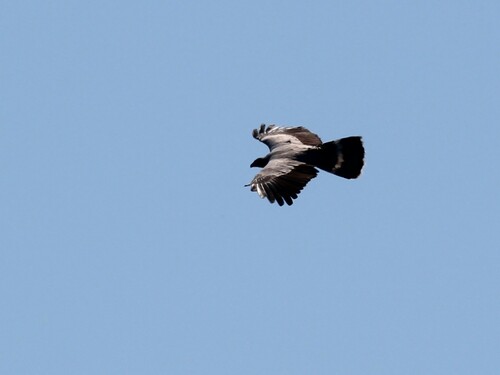 Madagascar Harrier-Hawk
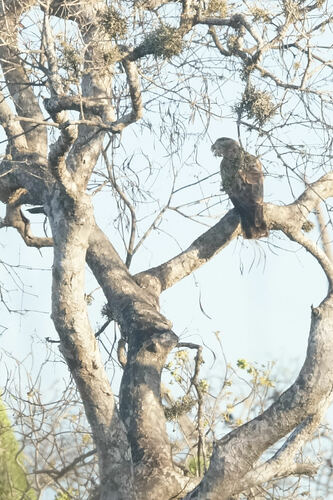 Madagascar Cuckoo-Hawk
In breve
Il segno distintivo più affidabile per separare il Madagascar Harrier-Hawk dal Madagascar Cuckoo-Hawk è il modello della coda: il Harrier-Hawk mostra una singola ampia banda grigia che divide una coda nera, mentre il Cuckoo-Hawk ha due strette barre chiare e una punta chiara su una coda marrone. In volo o posato, il Harrier-Hawk appare più grande e grigio con un cappuccio grigio distinto e una fitta barratura sotto, mentre il Cuckoo-Hawk è più marrone sopra con una testa più chiara, un sopracciglio bianco sporco e pesanti striature marroni sul petto. I giovani Cuckoo-Hawk sono più scuri con piume con punte bianche, una caratteristica non mostrata dal Harrier-Hawk. Entrambi sono rapaci di taglia media endemici del Madagascar, ma la loro struttura e i dettagli del piumaggio sono costantemente diversi.
Consigli di identificazione
- Modello della coda (tutte le età): Cerca una singola ampia banda grigia che divide una coda nera sul Madagascar Harrier-Hawk; il Cuckoo-Hawk mostra due strette barre chiare e una punta chiara su una coda marrone. Questo è spesso visibile in volo e quando è posato.
- Colore delle parti superiori (adulti): Il Harrier-Hawk è grigio sopra con piume da volo nere, mentre il Cuckoo-Hawk è marrone scuro sopra, più chiaro sulla testa, e ha un sopracciglio bianco sporco.
- Modello delle parti inferiori (adulti): Il Harrier-Hawk mostra una fitta barratura scura regolare sulle parti inferiori bianche, specialmente sul petto, sull'addome e sulle copritrici delle ali inferiori. Il Cuckoo-Hawk ha pesanti striature marroni sul petto e sui lati, con striature che diventano più fini sui fianchi, senza barratura.
- Testa e faccia (adulti): Il Harrier-Hawk ha un cappuccio grigio e una faccia gialla molto evidente; la testa del Cuckoo-Hawk è marrone più chiara senza cappuccio, e la faccia è meno appariscente.
- Cresta (adulti, posati): Il Cuckoo-Hawk mostra spesso una breve cresta che sporge dalla corona posteriore quando è posato, assente nel Harrier-Hawk.
- Giovane Cuckoo-Hawk: I giovani sono più scuri in generale con punte bianche evidenti sulle piume delle parti superiori, creando un aspetto squamoso sopra. I giovani Harrier-Hawk non sono descritti come mostranti questa caratteristica.
- Modello delle ali inferiori (volo): Le copritrici delle ali inferiori del Harrier-Hawk sono densamente barrate, corrispondenti alle parti inferiori, mentre le copritrici delle ali inferiori del Cuckoo-Hawk sono pesantemente barrate di marrone e le piume da volo mostrano ampie bande scure.
- Becco e zampe: Il Harrier-Hawk ha un becco giallo con una punta nera e zampe gialle, che possono essere viste da vicino; queste caratteristiche non sono specificate per il Cuckoo-Hawk.
- Struttura: Il Harrier-Hawk è più robusto, con ali più lunghe e più larghe e una coda più lunga che quasi corrisponde alla lunghezza dell'ala quando è piegata. Il Cuckoo-Hawk è più compatto, con una coda e ali più corte.
- Impressione di dimensione: Il Harrier-Hawk appare più grande e più allungato, specialmente in volo. Il Cuckoo-Hawk è più piccolo e più simile a un accipitriforme.
- Colore del sopracciglio: Il Cuckoo-Hawk ha un sopracciglio bianco sporco, in contrasto con il resto delle parti superiori; il sopracciglio del Harrier-Hawk non è descritto come in contrasto.
- Aspetto posato: Il Harrier-Hawk si siede dritto e appare con ali lunghe e coda lunga; il Cuckoo-Hawk appare spesso con una coda più corta e può mostrare la sua cresta.
- Aspetto in volo: Il volo del Harrier-Hawk è probabilmente più galleggiante e planante grazie alle sue lunghe ali, mentre il Cuckoo-Hawk può apparire più diretto e simile a un accipitriforme.
- Pelle facciale: La faccia gialla del Harrier-Hawk è un segno forte da vicino; il Cuckoo-Hawk manca di questa caratteristica.
- Sessi: Entrambe le specie hanno un piumaggio simile nei maschi e nelle femmine, quindi il sesso non è un segno utile sul campo.
Taglia
Entrambe le specie sono rapaci di taglia media, ma il Madagascar Harrier-Hawk è più robusto e ha ali più lunghe e più larghe che quasi raggiungono la punta della coda quando sono piegate. Il Madagascar Cuckoo-Hawk è leggermente più piccolo e più compatto, con una lunghezza di circa 300 mm (12 in) e un'apertura alare di 850 mm (33 in) [wikipedia]. Non ci sono misurazioni dirette per il Harrier-Hawk nelle note fornite, ma le sue proporzioni sono notevolmente più grandi e più allungate sul campo.
Piumaggio
- Giovani/uccelli immaturi: I giovani Madagascar Cuckoo-Hawk sono più scuri degli adulti, con punte bianche sulle piume delle parti superiori, rendendo il contrasto contro il dorso scuro ovvio. Questo non si vede nei giovani Harrier-Hawk (non è fornita una descrizione dei giovani, ma gli adulti non sono descritti come mostranti questo modello).
- Adulti: Il Madagascar Harrier-Hawk è grigio sopra con piume da volo nere e una coda nera con una singola ampia banda grigia. Le parti inferiori sono bianche con fitta barratura scura sul petto, sull'addome e sulle copritrici delle ali inferiori. Il petto superiore e la gola sono grigi, formando un cappuccio, e la faccia è gialla. Gli adulti del Madagascar Cuckoo-Hawk sono marrone scuro sopra, più chiari sulla testa, con un sopracciglio bianco sporco. Le parti inferiori sono bianche con pesanti striature marroni sul petto e sui lati, che diventano più fini sui fianchi. La coda è marrone con due strette barre chiare e una punta chiara. Le copritrici delle ali inferiori sono pesantemente barrate di marrone, e le piume da volo hanno ampie bande scure sotto. Una breve cresta è visibile a riposo sul Cuckoo-Hawk.
Comportamento
Non ci sono differenze comportamentali dirette dettagliate nelle note. Entrambi sono rapaci, ma le ali e la coda più lunghe del Harrier-Hawk possono conferire un volo più galleggiante e planante rispetto al più compatto Cuckoo-Hawk, che può apparire più simile a un accipitriforme ed è spesso notato per la sua breve cresta quando è posato.
Madagascar Harrier-Hawk · Madagascar Cuckoo-Hawk · I miei uccelli difficili