

Madagascar Forest Rail vs Tsingy Forest Rail
Mentocrex kioloides contro Mentocrex beankaensis
Fai un quiz con Madagascar Forest Rail e Tsingy Forest Rail
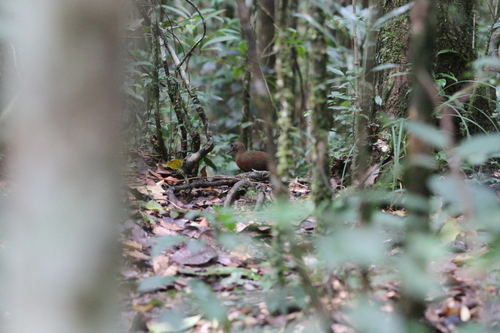 Madagascar Forest Rail
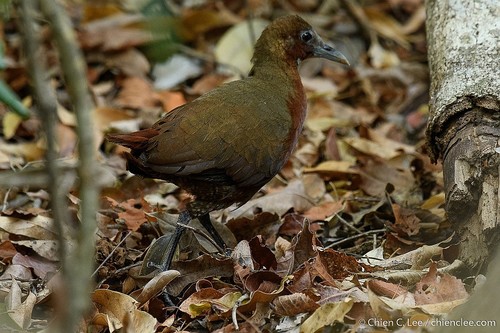 Tsingy Forest Rail
In breve
Il segno di campo più affidabile per separare il Madagascar Forest Rail dal Tsingy Forest Rail è la dimensione complessiva: il Tsingy è decisamente più grande. Inoltre, i due differiscono nella colorazione della gola, del viso e della regione oculare, con il Tsingy che mostra schemi unici in queste aree. L'habitat è anche un forte indizio: il Madagascar Forest Rail si trova nelle foreste umide del Madagascar settentrionale e orientale, mentre il Tsingy Forest Rail è limitato alle foreste decidue secche e al karstico di calcare nel Madagascar centro-occidentale. Le piume giovanili e immature non sono descritte in dettaglio per il Tsingy, ma i giovani del Madagascar Forest Rail hanno meno grigio sulla testa e macchie gialle sulle copritrici della coda. Le differenze strutturali e di piumaggio sono sottili, quindi il contesto e la dimensione sono spesso fondamentali.
Consigli di identificazione
- La dimensione è il segno di campo più affidabile: il Tsingy Forest Rail è visibilmente più grande del Madagascar Forest Rail. Usa questo quando hai una buona percezione della scala o puoi confrontare con oggetti noti o altri uccelli.
- Pattern della gola e del viso: il Tsingy Forest Rail ha un colore distintivo della gola, una striscia moustachiale e un pattern nella regione oculare. Il Madagascar Forest Rail manca di questi contrasti facciali specifici, mostrando invece un marrone rossastro più uniforme con una testa più grigia.
- Copritrici della coda: gli adulti del Madagascar Forest Rail hanno copritrici della coda più scure, mentre i giovani mostrano macchie gialle qui. Non c'è descrizione del pattern della coda per il Tsingy Forest Rail, quindi questo segno è utile solo per il Madagascar Forest Rail.
- Testa e parti superiori: gli adulti del Madagascar Forest Rail hanno una testa più grigia, specialmente nella sottospecie più chiara (M.k. berliozi), che mostra anche una macchia bianca della gola più grande e una parte superiore della schiena di un verde oliva pallido. Queste caratteristiche non sono descritte per il Tsingy Forest Rail.
- Piumaggio giovanile/immaturo: solo i giovani del Madagascar Forest Rail sono descritti—complessivamente più opachi, con meno grigio sulla testa e una coda macchiata di giallo. Se vedi queste caratteristiche, è probabile che tu stia osservando il Madagascar Forest Rail.
- Sessi simili: entrambe le specie hanno piumaggio simile nei maschi e nelle femmine, quindi il sesso non è un separatore utile.
- Nessuna differenza nota nel pattern di volo/alare: non ci sono differenze documentate nel pattern dell'ala superiore o nel volo tra i due, quindi non fare affidamento su questo sul campo.
- L'habitat è critico: il Madagascar Forest Rail si trova in foreste umide, spesso orientali; il Tsingy Forest Rail è limitato a foreste decidue secche e karstiche di calcare del Madagascar centro-occidentale. Usa l'habitat come indizio primario se il piumaggio è ambiguo.
- Becco e struttura: entrambe le specie sono simili ai rallidi, senza differenze specifiche nella lunghezza o nella forma del becco descritte tra di loro. Non fare affidamento sulla struttura del becco per la separazione.
- Comportamento: entrambi sono segreti e timidi, spesso difficili da osservare. Il comportamento non è un separatore affidabile.
- Variazione delle sottospecie: se incontri un Madagascar Forest Rail più chiaro con più grigio sulla fronte e una macchia bianca della gola più grande, potresti vedere la sottospecie M.k. berliozi. Questo non dovrebbe essere confuso con il Tsingy Forest Rail, che è più grande e ha un pattern facciale distintivo.
- Contesto geografico: se ti trovi al di fuori dell'area conosciuta di una specie, è altamente improbabile che si verifichi. Considera sempre la tua posizione sull'isola.
- Nessuna differenza di vocalizzazione descritta: i richiami e i canti non sono documentati come segni distintivi tra queste due specie.
- Quando hai dubbi: se non puoi valutare la dimensione o l'habitat, e l'uccello manca di un pattern facciale o della gola distintivo, l'identificazione potrebbe non essere possibile a livello di specie.
Taglia
Il Madagascar Forest Rail è un rallide di dimensioni medie, lungo circa 28 cm e pesante 250–280 g. Il Tsingy Forest Rail è più grande del Madagascar Forest Rail, anche se non sono fornite misurazioni esatte. Sul campo, il Tsingy apparirà più robusto e lungo, il che è particolarmente evidente se entrambe le specie vengono viste in posture simili o a distanza ravvicinata. Entrambe le specie sono simili nelle proporzioni generali dei rallidi, ma la dimensione è un separatore costante quando viste bene.
Piumaggio
Gli adulti di entrambe le specie sono complessivamente marrone rossastro, ma differiscono nel pattern del viso e della gola: il Tsingy Forest Rail mostra una colorazione distinta sulla gola, una striscia moustachiale e attorno agli occhi, che non sono eguagliati dal Madagascar Forest Rail. Gli adulti del Madagascar Forest Rail sono marrone rossastro con una testa più grigia e copritrici della coda più scure; i giovani sono più opachi, con meno grigio sulla testa e macchie gialle sulla coda. La sottospecie M.k. berliozi del Madagascar Forest Rail è più chiara, con più grigio sulla fronte, una macchia bianca della gola più grande e una parte superiore della schiena di un verde oliva pallido. Le piume giovanili e immature per il Tsingy Forest Rail non sono descritte, quindi è necessaria cautela con gli uccelli giovani. Non sono documentate differenze specifiche nel pattern dell'ala o nel volo per nessuna delle due specie.
Comportamento
Entrambe le specie sono segrete, vivono a terra, tipicamente timide e difficili da osservare. Non ci sono menzioni di differenze comportamentali nella ricerca di cibo, nel movimento o nel volo tra i due. Entrambi sono probabilmente visti brevemente mentre si muovono attraverso la fitta vegetazione, e entrambi sono più spesso sentiti che visti.
Habitat
L'habitat è un forte separatore: il Madagascar Forest Rail si trova in foreste umide (spesso vicino all'acqua) nel Madagascar settentrionale e orientale. Al contrario, il Tsingy Forest Rail è limitato a foreste decidue secche e karstiche di calcare nelle pianure del Madagascar centro-occidentale. Se stai osservando uccelli in foreste umide e orientali, è estremamente improbabile vedere il Tsingy; nelle foreste secche e ricche di calcare dell'ovest, non ci si aspetta di vedere il Madagascar Forest Rail.
Madagascar Forest Rail · Tsingy Forest Rail · I miei uccelli difficili