

Long-billed Pipit vs Calandro
Anthus similis contro Anthus campestris
Fai un quiz con Long-billed Pipit e Calandro
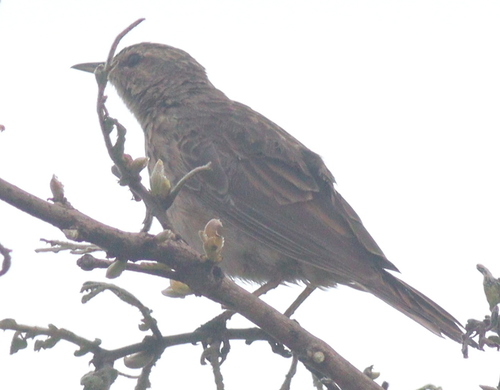 Long-billed Pipit
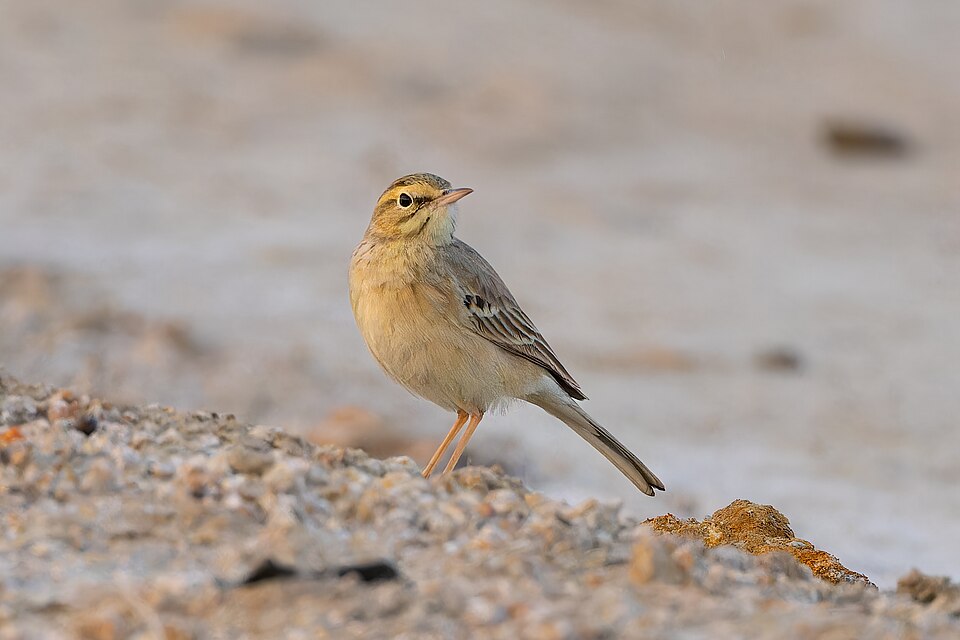 Calandro
In breve
Il segno distintivo più affidabile tra Long-billed Pipit e Calandro è la struttura: Long-billed Pipit è leggermente più grande nel complesso, con una coda visibilmente più lunga e un becco scuro, più lungo e pesante. Entrambe le specie sono molto simili nella colorazione sabbiosa-marrone complessiva e possono essere estremamente difficili da separare solo in base al piumaggio, specialmente a terra. In volo, entrambe hanno un volo forte e diretto e non presentano differenze evidenti nel pattern delle ali nelle note disponibili, quindi le caratteristiche strutturali e la forma del becco sono fondamentali. La voce può aiutare, con Long-billed Pipit che emette un canto più lento e variegato e un richiamo 'chupp', mentre Calandro emette un richiamo 'schip' di tono più acuto e un canto breve e ripetitivo. È necessaria particolare attenzione nelle aree in cui entrambe le specie possono verificarsi in inverno, poiché entrambe possono apparire indistinte e sovrapporsi in dimensioni.
Consigli di identificazione
- Lunghezza e forma del becco: Long-billed Pipit ha un becco visibilmente più lungo, pesante e scuro rispetto a Calandro. Questo è spesso il segno distintivo più affidabile, specialmente in viste ravvicinate o foto. Funziona per tutte le età e stagioni.
- Lunghezza della coda: Long-billed Pipit mostra una coda più lunga rispetto a Calandro, conferendogli un aspetto più allungato quando è appollaiato o cammina. Utile in confronti affiancati o con esperienza.
- Struttura complessiva: Long-billed Pipit è leggermente più grande e più allungato, mentre Calandro è un po' più compatto. Questo è sottile e meglio utilizzato in combinazione con la lunghezza del becco e della coda.
- Tono del piumaggio: Long-billed Pipit è grigio sabbioso sopra e bianco o pallido sotto; Calandro è marrone sabbioso sopra e pallido sotto. Questa differenza è lieve e facilmente oscurata dall'illuminazione o dall'usura.
- Striature: Calandro è descritto come meno striato rispetto a pipit simili, ma sia Long-billed che Calandro sono piuttosto semplici e mancano di forti striature. Non fare affidamento sulle striature per separare queste due specie.
- Pattern delle ali in volo: Non sono descritte differenze distintive nel pattern delle ali giovanili o immature tra queste due specie. Non aspettarti di separarle solo in base ai segni delle ali superiori o del volo.
- Voce: Ascolta il canto più lento e variegato di Long-billed Pipit ('sri...churr...') e il richiamo 'chupp', rispetto al richiamo di Calandro di tono più acuto 'schip' e al canto breve e ripetitivo 'chir-ree'. I richiami possono essere diagnostici con esperienza, ma si verificano sovrapposizioni e variazioni.
- Habitat e distribuzione: Entrambe le specie si trovano in habitat aperti e asciutti simili e possono sovrapporsi nelle aree di svernamento. Non utilizzare l'habitat come separatore primario dove entrambe sono possibili.
- Stile di volo: Entrambe le specie hanno un volo forte e diretto; il modo di volare non è un separatore affidabile.
- Trappole con altri pipit: Entrambe le specie possono essere confuse con altri grandi pipit (ad es., Richard's, Blyth's, Paddyfield) nel sud dell'Asia. Conferma sempre di considerare solo Long-billed vs Calandro prima di applicare questi suggerimenti.
- Stagione e età: Non sono descritti segni specifici per età per queste due specie; tutti i suggerimenti si applicano tutto l'anno e a tutte le età.
- Differenze sessuali: Non è notato dimorfismo sessuale; entrambi i sessi sono simili.
- Illuminazione e usura: Differenze di colore sottili sono facilmente mascherate dall'illuminazione, dall'usura delle piume o dalla sporcizia. Dai priorità alla struttura rispetto al colore in condizioni scarse.
- Confronto affiancato: Se entrambe le specie sono presenti, il confronto diretto della lunghezza del becco e della coda è il modo più efficace per separarle.
- Quando in dubbio: Se le differenze strutturali non sono chiare e la voce non è udibile, potrebbe non essere possibile identificare un uccello solitario con certezza.
Taglia
Long-billed Pipit pesa mediamente leggermente di più (23.0g vs 22.0g) ed è marginalmente più lungo (16–17.5 cm vs 16 cm), ma questa differenza è sottile sul campo. Il segno relativo alle dimensioni più utile è la coda più lunga e il becco più lungo di Long-billed Pipit, che conferisce un aspetto leggermente più allungato rispetto al più compatto Calandro. Entrambi sono pipit di dimensioni medie-grandi, quindi la dimensione da sola non è un separatore sicuro a meno che gli uccelli non siano affiancati.
Piumaggio
Non ci sono differenze distintive nel pattern delle ali superiori o nel volo specifiche per età descritte tra queste due specie, quindi la separazione del piumaggio si basa su segni sottili a terra. Entrambi sono marrone sabbioso sopra e pallidi sotto, ma Long-billed Pipit tende ad essere grigio sabbioso sopra e bianco o pallido sotto, mentre Calandro è marrone sabbioso sopra e pallido sotto. Calandro è meno striato nel complesso, ma entrambi sono descritti come 'indistinti' a terra. Non sono notate chiare differenze nel pattern delle ali giovanili o immature nelle fonti disponibili. Pertanto, concentrati sulle caratteristiche strutturali piuttosto che sul piumaggio per un'identificazione affidabile.
Comportamento
Entrambe le specie hanno un volo forte e diretto e sono terrestri, spesso viste in habitat aperti. Non ci sono menzioni di differenze comportamentali distintive tra di loro nelle note disponibili. Entrambi possono apparire piuttosto semplici e poco appariscenti quando cercano cibo o camminano a terra.
Habitat
Entrambe le specie si sovrappongono nei terreni di svernamento nel sud dell'Asia e in Africa, e entrambe preferiscono habitat aperti e asciutti con vegetazione scarsa. Long-billed Pipit nidifica in pendii aperti e asciutti con rocce e vegetazione bassa, mentre Calandro nidifica in tutta la Palearctico centrale e sverna in paesi simili. L'habitat non è un separatore affidabile dove le loro aree si sovrappongono.
Voce
Long-billed Pipit emette un caratteristico richiamo 'chupp', che ricorda un allodola del deserto, e il suo canto è più lento e variegato rispetto a Calandro, con un ripetuto 'sri...churr...sri...churr.' Calandro emette un richiamo 'schip' di tono più acuto e un canto breve, ripetitivo e loud disillabico 'chir-ree chir-ree'. Sul campo, il ritmo e il tono del richiamo e del canto possono aiutare, ma entrambi sono abbastanza simili da causare confusione se non vengono uditi bene.