
Long-billed Curlew vs Far Eastern Curlew
Numenius americanus contro Numenius madagascariensis
Fai un quiz con Long-billed Curlew e Far Eastern Curlew
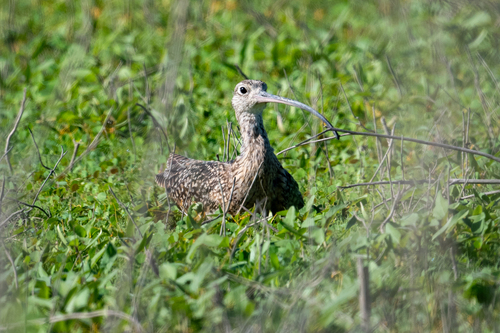 Long-billed Curlew
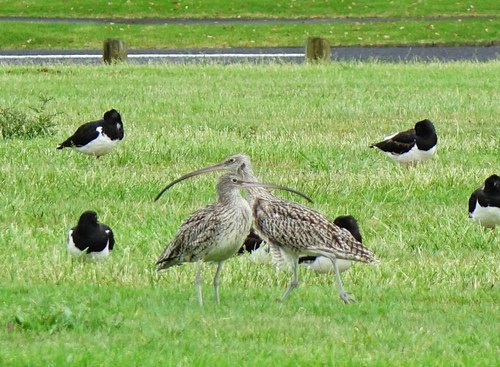 Far Eastern Curlew
In breve
Il segno di campo più affidabile tra Long-billed Curlew e Far Eastern Curlew è il modello dell'ala inferiore e del coda in volo: il Far Eastern Curlew mostra un'ala inferiore marrone semplice e senza disegni e una coda marrone, mentre il Long-billed Curlew ha un'ala inferiore più chiara, di tonalità cannella, e una coda meno uniformemente marrone. Entrambi sono enormi uccelli costieri con becco lungo e fortemente ricurvo, ma il Far Eastern Curlew è leggermente più grande nel complesso e appare più robusto, con un'apertura alare più lunga e una massa media più pesante. La lunghezza del becco si sovrappone, ma quella del Far Eastern Curlew è tipicamente ancora più lunga e robusta. Le differenze di struttura e piumaggio sottili sono meglio visibili in buona luce o in volo; fare attenzione alla sovrapposizione in dimensioni e lunghezza del becco, specialmente con le femmine di Long-billed Curlew. Il contesto (posizione e composizione del gruppo) può aiutare, ma per i vagabondi o in gruppi misti, fare affidamento sull'ala inferiore e sulla coda.
Consigli di identificazione
- Ala inferiore in volo (tutte le età): Il Far Eastern Curlew mostra un'ala inferiore marrone semplice e senza disegni; il Long-billed Curlew ha un'ala inferiore di tonalità cannella più chiara. Questo è il segno di campo più affidabile quando gli uccelli vengono spaventati o volano sopra di noi.
- Coda e parte bassa della schiena (tutte le età): Il Far Eastern Curlew ha una coda marrone e una parte bassa della schiena che si fonde con il resto delle parti superiori; la coda del Long-billed Curlew è meno uniformemente marrone e può contrastare con la schiena. Controllare questa caratteristica sugli uccelli in volo o mentre si puliscono.
- Dimensione e robustezza complessive: Il Far Eastern Curlew è leggermente più grande e robusto, con un'apertura alare più lunga e una massa media più pesante. Questo è sottile e meglio giudicato in confronto diretto o con esperienza.
- Lunghezza e forma del becco: Entrambe le specie hanno becchi estremamente lunghi e ricurvi. Il becco del Far Eastern Curlew è tipicamente ancora più lungo e robusto, specialmente nelle femmine, ma l'intervallo si sovrappone. Usare solo come segno di supporto, non primario.
- Colore delle parti inferiori: Il Long-billed Curlew ha parti inferiori e collo di tonalità cannella chiara, spesso più calde e più buffe; il Far Eastern Curlew è complessivamente più marrone e meno caldo-tono sotto.
- Modello della corona: Il Long-billed Curlew mostra una corona marrone striata; la testa del Far Eastern Curlew ha un modello meno distintivo.
- Dimorfismo sessuale: Le femmine di Long-billed Curlew hanno becchi più lunghi dei maschi e possono avvicinarsi al Far Eastern Curlew in lunghezza del becco, quindi non fare affidamento solo sulla lunghezza del becco.
- Dimensione del gruppo e comportamento: Il Far Eastern Curlew si riunisce spesso in grandi gruppi, specialmente durante la migrazione; il Long-billed Curlew è più solitario o in piccoli gruppi. Usare con cautela, poiché entrambi possono essere visti singolarmente.
- Contesto geografico: In Nord America, il Far Eastern Curlew è un vagabondo; in Asia orientale/Australasia, il Long-billed Curlew è estremamente raro. Confermare sempre con il piumaggio, specialmente per gli uccelli fuori dalla loro area.
- Habitat: Entrambi utilizzano le zone umide e gli estuari in inverno, ma il Long-billed Curlew si riproduce nelle praterie, cosa che il Far Eastern Curlew non fa.
- Voce: Il fischio acuto e chiaro del Far Eastern Curlew ('cuuue-reee') può essere udito in gruppi; il richiamo del Long-billed Curlew non è descritto qui, quindi non usare la voce come separatore primario.
- Vista da posato vs. vista in volo: L'ala inferiore e la coda sono meglio viste in volo; gli uccelli posati richiedono un'attenta analisi del tono delle parti inferiori e del modello della testa.
- Piumaggio giovanile/immaturo: Non è descritto alcun modello distintivo dell'ala superiore giovanile o immaturo per entrambe le specie, quindi utilizzare i segni degli adulti per tutte le età.
- Possibili insidie: Non fare affidamento solo sulla dimensione o sulla lunghezza del becco a causa della sovrapposizione e del dimorfismo sessuale. Confermare sempre con il modello dell'ala inferiore e della coda in volo.
- Condizioni di illuminazione: Le tonalità di cannella del Long-billed Curlew possono essere meno evidenti in scarsa illuminazione; concentrarsi sul modello dell'ala inferiore e della coda ogni volta che è possibile.
Taglia
Il Far Eastern Curlew è il curlew più grande e probabilmente il più grande piviere del mondo, misurando 60–66 cm di lunghezza e 110 cm di apertura alare, con una massa media adulta di 752,6 g. Il Long-billed Curlew è leggermente più piccolo, con una lunghezza di 50–65 cm, un'apertura alare di 62–90 cm e una massa media di 699,4 g. La differenza è sottile sul campo, ma il Far Eastern Curlew appare più robusto e con ali più lunghe, specialmente quando visti fianco a fianco. La lunghezza del becco si sovrappone (Long-billed Curlew 11,3–21,9 cm, Far Eastern Curlew 12,8–20,1 cm), ma il becco del Far Eastern è generalmente più pesante e proporzionalmente più lungo rispetto alla dimensione della testa.
Piumaggio
La caratteristica di piumaggio più diagnostica è l'ala inferiore e la coda in volo, che si applica a tutte le età e stagioni. Il Far Eastern Curlew mostra un'ala inferiore marrone semplice e senza disegni e una coda marrone e parte bassa della schiena, creando un aspetto uniforme sotto e dietro. Il Long-billed Curlew, al contrario, ha un'ala inferiore di tonalità cannella più chiara e una coda meno uniformemente marrone, spesso con un certo contrasto rispetto alla schiena. Sugli uccelli posati, entrambi sono per lo più marroni sopra, ma il Long-billed Curlew mostra più cannella sul collo e sulle parti inferiori, mentre il Far Eastern Curlew è complessivamente più marrone e meno caldo. La corona del Long-billed Curlew è striata di marrone, mentre il modello della testa del Far Eastern Curlew è meno distintivo. Non è descritto alcun modello specifico per l'ala superiore o giovanile per entrambe le specie, quindi concentrarsi sull'ala inferiore e sulla coda per tutte le età.
Comportamento
Entrambe le specie si nutrono sondando il fango con i loro lunghi becchi ricurvi, spesso in zone umide aperte o fangose. Il Far Eastern Curlew può essere visto in gruppi più grandi durante la migrazione o il riposo, mentre il Long-billed Curlew è più probabile che venga visto singolarmente o in gruppi più piccoli, specialmente nei luoghi di riproduzione. Le esibizioni in volo sono notate per il Long-billed Curlew durante il corteggiamento, con voli rapidi e ad anello. Il comportamento alimentare è simile e non è affidabilmente diagnostico.
Habitat
Il Long-billed Curlew si riproduce nelle praterie del centro e dell'ovest del Nord America e sverna verso sud e verso la costa, spesso in campi aperti, zone fangose e estuari. Il Far Eastern Curlew si trova in Asia orientale e Australasia, preferendo le zone fangose costiere e gli estuari, specialmente durante la migrazione e nei luoghi di svernamento. In Nord America, qualsiasi curlew con un'ala inferiore marrone semplice è probabilmente un vagabondo Far Eastern Curlew. Nel Vecchio Mondo, il Long-billed Curlew sarebbe un'estrema rarità. La sovrapposizione dell'habitat è possibile durante la migrazione o nelle aree di svernamento, quindi confermare sempre con piumaggio e struttura.
Voce
Il Far Eastern Curlew emette un fischio acuto e chiaro, 'cuuue-reee', spesso ripetuto. Non è descritta alcuna vocalizzazione distintiva per il Long-billed Curlew in queste note, quindi la voce non è un separatore primario in questo contesto.
Long-billed Curlew · Far Eastern Curlew · I miei uccelli difficili