
Lizard Buzzard vs Gabar Goshawk
Kaupifalco monogrammicus contro Micronisus gabar
Fai un quiz con Lizard Buzzard e Gabar Goshawk
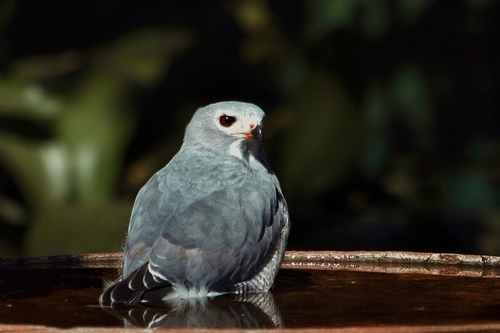 Lizard Buzzard
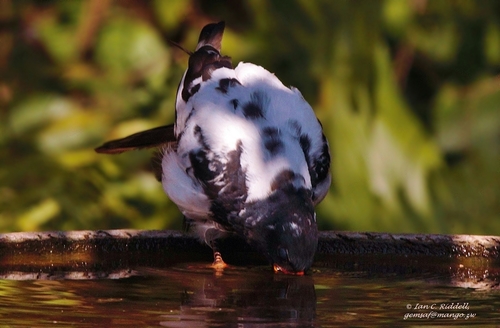 Gabar Goshawk
In breve
Il segno di campo più affidabile per separare il Lizard Buzzard dal Gabar Goshawk è la marcatura audace e verticale della gola nera del Lizard Buzzard, che è unica tra i rapaci africani e visibile sia negli uccelli posati che in volo di tutte le età. I Gabar Goshawk giovanili e adulti non mostrano mai questo segno. In volo, le ali inferiori del Lizard Buzzard sono bianche con punte scure, mentre il Gabar Goshawk (morfologia chiara) mostra ali inferiori barrate e un caratteristico sottocoda bianco. Il Gabar Goshawk è anche visibilmente più snello e leggero, con una coda più lunga e un volo più agile, simile a un accipiter, rispetto al Lizard Buzzard più robusto e compatto. Entrambe le specie possono mostrare parti superiori grigie e zampe/cere rossastre da adulte, ma un'attenta attenzione alla gola, alle ali inferiori e alla struttura risolverà la maggior parte degli incontri sul campo.
Consigli di identificazione
- Cerca la striscia verticale nera sulla gola: Solo il Lizard Buzzard mostra una linea nera audace e verticale sulla gola bianca. Questo è presente in tutte le età ed è diagnostico a qualsiasi distanza se visibile.
- Controlla la presenza di un sottocoda bianco in volo: Il Gabar Goshawk (morfologia chiara) mostra sempre un sottocoda bianco evidente, visibile sia posato che soprattutto in volo. Il Lizard Buzzard manca di questa caratteristica.
- Valuta il modello delle ali inferiori: Il Lizard Buzzard ha ali inferiori bianche con punte scure (adulti e giovanili), mentre il Gabar Goshawk (morfologia chiara) mostra ali inferiori barrate. Nel Gabar Goshawk morfo scuro, l'intera ala inferiore è scura.
- Modello della coda: La coda del Lizard Buzzard è nera con una singola banda bianca e una punta bianca. La coda del Gabar Goshawk è grigia scura con più barre strette e nessuna banda larga singola.
- Struttura generale: Il Lizard Buzzard è robusto, compatto e con coda corta, con ali relativamente corte e appuntite. Il Gabar Goshawk è più snello, con coda più lunga e un volo più simile a un accipiter sia in volo che in postura posata.
- Colore delle zampe e della cere nei giovanili: Entrambe le specie mostrano cere e zampe gialle da giovanili, ma solo i giovanili del Gabar Goshawk sono complessivamente più marroni con barre disordinate e un sottocoda bianco. I giovanili del Lizard Buzzard sono più grigi e mostrano sempre la striscia sulla gola.
- Confusione con il morfo scuro: Se vedi un piccolo rapace quasi completamente nero, è un Gabar Goshawk morfo scuro; il Lizard Buzzard non appare mai completamente nero.
- Stile di volo: Il volo del Lizard Buzzard è ondulato e simile a quello di un tordo, con poco planare tranne durante il corteggiamento. Il Gabar Goshawk è più agile, con un volo rapido in stile accipiter e frequenti inseguimenti attivi della preda.
- Comportamento di posata: Il Lizard Buzzard tende a posarsi silenziosamente e in basso (6–10 m), scrutando la preda prima di tuffarsi. Il Gabar Goshawk può posarsi più in alto, è più irrequieto e può essere visto inseguire la preda tra gli alberi.
- Contesto dell'habitat: Il Lizard Buzzard è più probabile trovarlo in boschi densi o ai margini delle foreste; il Gabar Goshawk è comune in boschi aperti, thornveld e talvolta giardini.
- Voce: Se senti un fischio chiaro e melodioso all'inizio della stagione riproduttiva, sospetta il Lizard Buzzard. Il Gabar Goshawk è più vocale in generale, ma i dettagli sono meno distintivi.
- Dimensione relativa: Se entrambe le specie sono viste insieme, il Lizard Buzzard è visibilmente più robusto e pesante, con un'apertura alare più ampia e una costruzione più spessa.
- Trappole di sesso e età: Le femmine di Gabar Goshawk possono avvicinarsi ai maschi di Lizard Buzzard in dimensione, ma non eguagliano mai la robustezza o la compattezza di quest'ultimo. I giovanili di Gabar Goshawk possono apparire più marroni, ma mancano sempre della striscia sulla gola e mostrano un sottocoda bianco.
- Colore delle parti nude negli adulti: Entrambe le specie hanno cere e zampe rosse da adulte, quindi questo non è un metodo di separazione affidabile.
- Trappola – parti superiori grigie: Entrambe possono apparire grigie sopra, specialmente gli adulti, ma solo il Lizard Buzzard combina questo con una striscia sulla gola e parti inferiori bianche non barrate.
Taglia
Il Lizard Buzzard è significativamente più pesante e robusto (media 275,5 g contro 165 g per il Gabar Goshawk [wikidata]), con una lunghezza del corpo leggermente più lunga (35–37 cm contro 28–36 cm) e ali più ampie (apertura alare 79 cm contro 63 cm). Sul campo, il Lizard Buzzard appare compatto e massiccio, con una coda corta e ali relativamente corte e appuntite. Il Gabar Goshawk è visibilmente più piccolo, più snello e con coda più lunga, con un profilo più simile a un accipiter. Le femmine di entrambe le specie sono più grandi dei maschi, ma anche una femmina di Gabar Goshawk raramente eguaglia la massa o la robustezza di un maschio di Lizard Buzzard.
Piumaggio
- Giovanili/immaturi: Il giovanile Lizard Buzzard assomiglia molto all'adulto, ma ha una leggera sfumatura marrone sulle ali e cere e zampe arancio-gialle. La striscia sulla gola è sempre presente. Il giovanile Gabar Goshawk (morfologia chiara) è complessivamente più marrone con barre più disordinate sul petto, cere e zampe gialle, e non mostra mai una striscia sulla gola. Gli immaturi di entrambe le specie hanno parti nude più chiare rispetto agli adulti, ma le barre del Gabar Goshawk sono meno nitide e il sottocoda bianco è già visibile.
- Adulti: Il Lizard Buzzard è grigio sopra, bianco sotto con sottili barre scure sul ventre, e mostra sempre una striscia verticale nera sulla gola bianca. Le ali inferiori sono bianche con punte scure; la coda è nera con una singola banda bianca e una punta bianca. Il Gabar Goshawk (morfologia chiara) è anch'esso grigio sopra, ma con un sottocoda bianco evidente, barre bianche e grigie sul petto, cosce e ali inferiori, e una coda grigia scura barrata. Il morfo scuro del Gabar Goshawk è quasi completamente nero, il che non si sovrappone mai al Lizard Buzzard. Entrambe le specie hanno occhi scuri e cere/zampe rosse da adulte, ma solo il Lizard Buzzard ha la striscia diagnostica sulla gola.
Comportamento
Il Lizard Buzzard è tipicamente solitario, silenzioso e caccia da posatoi bassi, raramente planando tranne durante il corteggiamento. Il suo volo è ondulato, simile a quello di un tordo, e raramente insegue la preda in volo, preferendo tuffarsi o planare verso la preda a terra. Il Gabar Goshawk è più attivo e agile, spesso visto da solo o in coppie, specialmente durante la stagione riproduttiva. Caccia sia da posatoi che attivamente spaventando la preda dagli alberi, inseguendo frequentemente piccoli uccelli con un volo energetico e simile a un accipiter. Il Gabar Goshawk può anche saccheggiare i nidi dei tessitori strappandoli, un comportamento non osservato nel Lizard Buzzard.
Habitat
Entrambe le specie si trovano nell'Africa subsahariana e possono sovrapporsi nel loro areale. Il Lizard Buzzard preferisce boschi e margini di foresta, spesso posandosi a 6–10 m sugli alberi ed è adattato per un volo rapido in vegetazione densa. Il Gabar Goshawk è più flessibile, trovato in una gamma di habitat boschivi tra cui savana, thornveld e talvolta giardini. È più probabile vederlo in boschi aperti, acacie o anche in aree semi-aride, ed è meno strettamente legato a foreste dense rispetto al Lizard Buzzard.
Voce
Il Lizard Buzzard è generalmente silenzioso tranne all'inizio della stagione riproduttiva (settembre-ottobre), quando emette un fischio chiaro e melodioso: "klu-klu-klu." Il Gabar Goshawk è più vocale, specialmente durante la riproduzione, con richiami emessi durante i voli di corteggiamento e quando è posato, ma i dettagli specifici dei richiami non sono forniti nelle note. Le vocalizzazioni non sono di solito la separazione più affidabile sul campo, ma il silenzio del Lizard Buzzard al di fuori della stagione riproduttiva può essere un indizio di supporto.