

Lesser Whistling-Duck vs Canapiglia
Dendrocygna javanica contro Mareca strepera
Fai un quiz con Lesser Whistling-Duck e Canapiglia
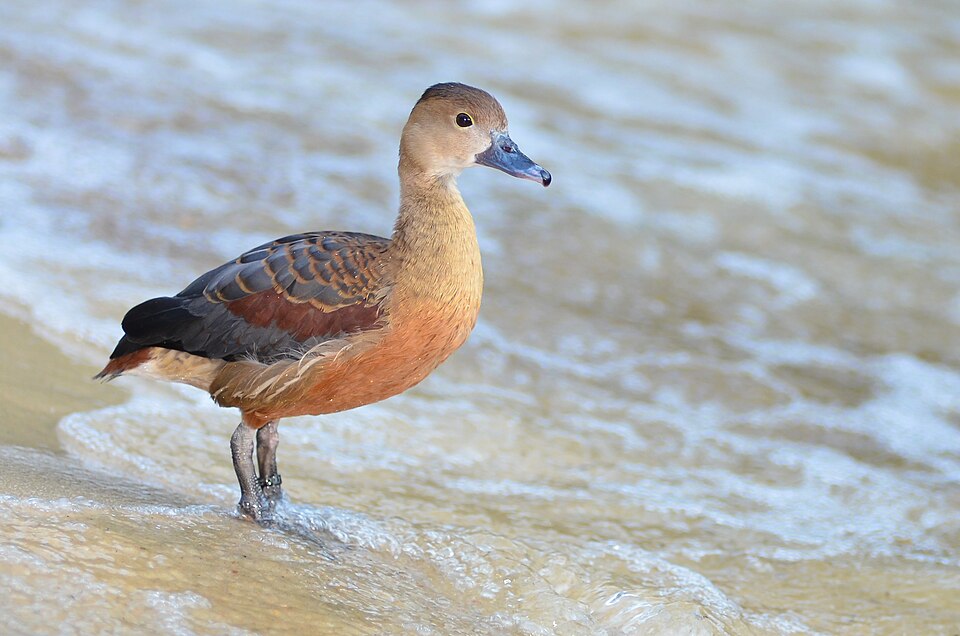 Lesser Whistling-Duck
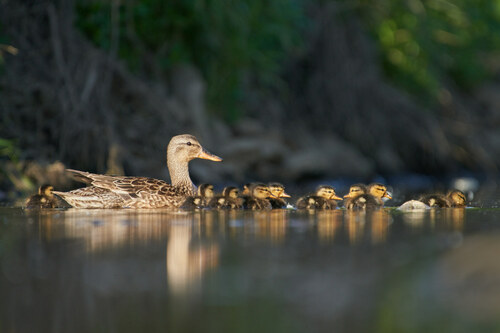 Canapiglia
In breve
Il segno di campo più affidabile per separare il Lesser Whistling-Duck dalla Canapiglia è il modello dell'ala superiore in volo: il Lesser Whistling-Duck (tutte le età) non presenta il colpo d'occhio bianco della Canapiglia e mostra invece ali uniformemente castano-brune, mentre la Canapiglia (tutte le età) presenta un colpo d'occhio bianco audace, particolarmente evidente in volo. In posato, il Lesser Whistling-Duck è un'anatra compatta, di tonalità castano con una corona scura e un anello oculare arancio-giallo, mentre la Canapiglia è più grande e più sottilmente disegnata, con i maschi che mostrano toni grigi e neri e entrambi i sessi che hanno un ventre e un colpo d'occhio bianchi. Il Lesser Whistling-Duck è altamente gregario e spesso si posiziona sugli alberi o riposa in gruppi stretti, mentre la Canapiglia è meno sociale e raramente si posiziona. È possibile una sovrapposizione degli habitat nelle zone umide, ma il Lesser Whistling-Duck è più probabile in Asia tropicale, specialmente nei campi di riso e nei laghi, mentre la Canapiglia preferisce le paludi aperte e le zone umide temperate. Anche la voce è un indizio: il Lesser Whistling-Duck emette un richiamo fischiante prominente e ripetitivo, mentre la Canapiglia è generalmente silenziosa.
Consigli di identificazione
- Colpo d'occhio bianco in volo (tutte le età): La Canapiglia mostra sempre un colpo d'occhio bianco audace (secondary wing patch) in volo e spesso a riposo, bordato di castano e nero. Il Lesser Whistling-Duck non mostra mai bianco nell'ala: cerca ali uniformemente castano-brune. Questo è il segno più affidabile.
- Dimensioni e struttura complessive: La Canapiglia è molto più grande e robusta del Lesser Whistling-Duck; confronta la lunghezza del collo e del corpo se entrambe le specie sono presenti.
- Piumaggio a riposo: I maschi della Canapiglia (riproduzione) sono finemente disegnati in grigio con un retro nero e un ventre bianco; le femmine sono macchiate di marrone ma mostrano ancora il colpo d'occhio e il ventre bianchi. Il Lesser Whistling-Duck è di un caldo castano-bruno con una corona scura e un anello oculare arancio-giallo, i sessi sono simili.
- Coda e copritrici superiori della coda: Il Lesser Whistling-Duck ha copritrici superiori della coda castano, in contrasto con il bianco cremoso del Dendrocigna fulva ma non presente nella Canapiglia. L'area della coda della Canapiglia non è contrastante.
- Modello della testa: Il Lesser Whistling-Duck ha una corona scura e un chiaro anello oculare arancio-giallo, visibile da vicino. La Canapiglia non ha queste caratteristiche; la sua testa è grigia semplice (maschio) o marrone (femmina).
- Becco: Non è fortemente diagnostico tra questi due; le femmine della Canapiglia hanno un becco scuro con bordi arancioni, ma questo è meno utile del colore dell'ala e del corpo.
- Comportamento di posizionamento: Il Lesser Whistling-Duck spesso si posiziona sugli alberi o sui rami, specialmente quando dorme o nidifica. La Canapiglia non è quasi mai vista posizionata sopra il livello del suolo.
- Struttura del gruppo: Il Lesser Whistling-Duck è altamente gregario, spesso visto in gruppi stretti e coordinati. La Canapiglia tende a formare gruppi più piccoli e più sciolti.
- Contesto dell'habitat: In Asia tropicale, specialmente nei campi di riso o nei laghi urbani, il Lesser Whistling-Duck è molto più probabile. Nelle paludi temperate o nelle zone umide prative, ci si aspetta la Canapiglia.
- Voce: Un gruppo che emette forti richiami fischianti ripetitivi sopra la testa è quasi certamente Lesser Whistling-Duck. La Canapiglia è generalmente silenziosa, tranne che per occasionali richiami di corteggiamento.
- Comportamento alimentare: Entrambi si nutrono, ma la Canapiglia è più propensa a tuffarsi o rubare cibo da altri uccelli; il Lesser Whistling-Duck può camminare sulla terra ed è spesso seguito da mynas.
- Nidificazione: Il Lesser Whistling-Duck può nidificare in cavità degli alberi o a terra, a volte riutilizzando vecchi nidi. La Canapiglia nidifica sempre a terra, spesso lontano dall'acqua.
- Piumaggio giovanile: Non è descritto alcun modello di ala giovanile unico per entrambe, ma l'assenza di un colpo d'occhio bianco in qualsiasi età indica il Lesser Whistling-Duck.
- Differenze sessuali: Entrambe le specie hanno un sottile dimorfismo sessuale, ma i sessi del Lesser Whistling-Duck sono quasi identici, mentre i maschi della Canapiglia sono più distintamente disegnati rispetto alle femmine.
- Tempistica dell'attività: Il Lesser Whistling-Duck è spesso attivo e rumoroso di notte, mentre la Canapiglia è più diurna e silenziosa.
Taglia
Il Lesser Whistling-Duck è nettamente più piccolo e leggero della Canapiglia. Il Lesser Whistling-Duck pesa in media circa 525 g [wikidata], mentre i maschi della Canapiglia pesano in media 990 g e le femmine 850 g [wikipedia]. La Canapiglia è anche più lunga (47–58 cm) con un'apertura alare più ampia (78–85 cm), rendendola visibilmente più robusta e con un collo più lungo sul campo. In gruppi misti, la Canapiglia si distinguerà come l'anatra più grande e più allungata, mentre il Lesser Whistling-Duck appare compatto e con collo corto.
Piumaggio
La differenza di piumaggio più diagnostica è nel modello dell'ala quando gli uccelli sono in volo:
- Tutte le età, in volo: La Canapiglia mostra un colpo d'occhio bianco brillante (il patch secondario dell'ala), che è ovvio sia a riposo che in volo, bordato di castano e nero. Il Lesser Whistling-Duck non ha alcun bianco nell'ala; invece, le sue ali sono uniformemente castano-brune sopra e sotto, con copritrici superiori della coda castano.
- A riposo: I maschi della Canapiglia in piumaggio di riproduzione sono finemente disegnati in grigio con un retro nero e un ventre bianco; le femmine sono macchiate di marrone ma mostrano ancora il colpo d'occhio e il ventre bianchi. Il Lesser Whistling-Duck è complessivamente di un caldo castano-bruno con una corona scura e un anello oculare arancio-giallo, e entrambi i sessi sembrano simili.
- Giovanili: Non è descritto alcun modello di ala giovanile specifico per entrambe le specie, ma il colpo d'occhio bianco della Canapiglia è presente fin dalla giovane età, mentre i giovanili del Lesser Whistling-Duck rimangono con ali castano.
- Copritrici della coda: Il Lesser Whistling-Duck ha copritrici superiori della coda castano; quelle della Canapiglia non sono descritte come contrastanti.
- Testa: Il Lesser Whistling-Duck ha una corona scura e un anello oculare arancio-giallo; la Canapiglia non ha queste caratteristiche.
Comportamento
Il Lesser Whistling-Duck è notevolmente gregario, spesso visto in grandi gruppi e talvolta posato sugli alberi o addirittura nidificando in cavità degli alberi. Sono altamente notturni, nutrendosi di notte e riposando in gruppi durante il giorno, talvolta anche su acque aperte. La Canapiglia è meno sociale al di fuori della stagione di riproduzione, formando tipicamente solo piccoli gruppi, e raramente è vista posata sugli alberi. Entrambe le specie si nutrono, ma la Canapiglia è anche abile nel tuffarsi e può rubare cibo da altri uccelli tuffatori. I comportamenti di corteggiamento e sociali differiscono: i maschi del Lesser Whistling-Duck eseguono esibizioni di immersione del becco, mentre i maschi della Canapiglia si esibiscono sollevando la testa e spostando l'acqua. Il Lesser Whistling-Duck è più probabile essere visto camminare sulla terra in gruppi, mentre la Canapiglia è più riservata.
Habitat
Il Lesser Whistling-Duck si trova più spesso in zone umide di pianura, laghi e campi di riso umidi attraverso il subcontinente indiano e il sud-est asiatico, ed è a suo agio sia in zone umide rurali che urbane, talvolta anche in mare aperto. La Canapiglia preferisce zone umide aperte, come laghi prativi, praterie umide e paludi con vegetazione densa, ed è più tipica delle regioni temperate. Sebbene entrambe le specie possano verificarsi in zone umide di acqua dolce, il Lesser Whistling-Duck è più probabile in Asia tropicale, e la Canapiglia è più diffusa in Eurasia e Nord America. Il Lesser Whistling-Duck può nidificare negli alberi, un comportamento non osservato nella Canapiglia.
Voce
Il Lesser Whistling-Duck è molto vocale, specialmente in volo, producendo un richiamo fischiante prominente e ripetitivo che si sente bene ed è spesso udito da gruppi che circondano sopra la testa. La Canapiglia è generalmente silenziosa, tranne durante il corteggiamento; la femmina emette un quack acuto, e il maschio produce un grugnito o un fischio morbido, ma questi sono raramente uditi al di fuori delle esibizioni di corteggiamento. Sul campo, un gruppo di anatre fischianti è molto più probabile essere Lesser Whistling-Duck che Canapiglia.
Lesser Whistling-Duck · Canapiglia · I miei uccelli difficili