

Lesser Moorhen vs Gallinella d'acqua
Paragallinula angulata contro Gallinula chloropus
Fai un quiz con Lesser Moorhen e Gallinella d'acqua
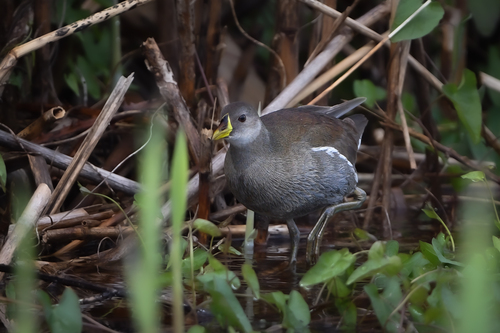 Lesser Moorhen
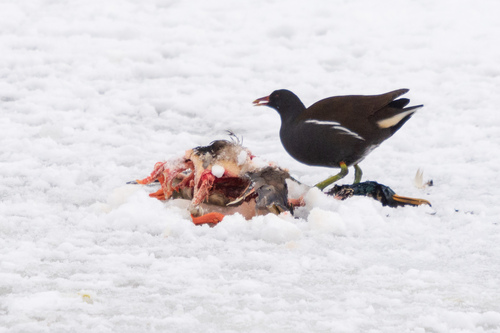 Gallinella d'acqua
In breve
La separazione più affidabile sul campo tra Lesser Moorhen e Gallinella d'acqua è la dimensione: la Gallinella d'acqua è sostanzialmente più grande e pesante, con una struttura più robusta. Sul campo, la Gallinella d'acqua mostra un distintivo scudo frontale rosso e un becco con una punta gialla, gambe gialle e strisce bianche prominenti sotto la coda e sui fianchi, mentre il Lesser Moorhen manca dell'intero insieme di queste caratteristiche. I giovani Gallinelle d'acqua sono più marroni e mancano dello scudo rosso, il che può causare confusione, ma la loro dimensione e struttura più grandi rimangono distintive. Entrambe le specie possono essere viste in habitat umidi simili, specialmente in Africa, quindi prestare attenzione alla dimensione, al becco e alla forma dello scudo è fondamentale.
Consigli di identificazione
- La dimensione è il segno sul campo più consistente: La Gallinella d'acqua è molto più grande e pesante del Lesser Moorhen. Usa questo soprattutto quando gli uccelli sono insieme o quando hai una buona percezione della scala da oggetti vicini.
- Scudo frontale e becco: La Gallinella d'acqua adulta ha un prominente scudo frontale rosso con una parte superiore arrotondata e lati paralleli, e un becco rosso con una punta gialla. Il Lesser Moorhen manca di questo intero scudo rosso e del modello di becco. Nei giovani, lo scudo è assente, quindi fai affidamento maggiormente sulla dimensione e sulla struttura.
- Strisce bianche sui fianchi e sotto la coda: La Gallinella d'acqua mostra audaci strisce bianche sui fianchi e una striking white undertail, specialmente evidente quando l'uccello sbatte la coda. Il Lesser Moorhen è meno contrastante in queste aree.
- Colore delle gambe: La Gallinella d'acqua ha gambe gialle, che possono essere un segno utile se viste bene. Il colore delle gambe del Lesser Moorhen non è specificato ma non è descritto come giallo in queste note.
- Confusione nei giovani: I giovani Gallinelle d'acqua sono più marroni e mancano dello scudo rosso, rendendoli superficialmente simili al Lesser Moorhen. In questi casi, fai affidamento sulla dimensione, sulla struttura e sulla presenza (o assenza) di forti strisce bianche sui fianchi.
- Struttura e jizz: La Gallinella d'acqua è più robusta, con un becco e un corpo più robusti. Il Lesser Moorhen è più piccolo e più delicato nell'aspetto.
- Visioni in volo: Non sono descritte differenze diagnostiche nel pattern di volo o nelle ali superiori, quindi concentrati sulla dimensione e sulla forma generale in volo.
- Sovrapposizione degli habitat: Entrambe le specie possono verificarsi negli stessi habitat umidi in Africa. Non usare l'habitat da solo per separarli.
- Comportamento: La Gallinella d'acqua può apparire più dominante e aggressiva, specialmente durante la stagione di riproduzione, ma questo è sottile e non sempre affidabile.
- Variazione delle sottospecie: Alcune sottospecie di Gallinella d'acqua (ad es., G. c. meridionalis) sono più piccole e hanno copritrici delle ali superiori di colore blu-grigio ardesia, ma sono comunque più grandi del Lesser Moorhen e con lo stesso modello di scudo e becco.
- Indizi contestuali: Se vedi una gallinella al di fuori dell'Africa, è quasi certamente una Gallinella d'acqua. In Africa, controlla attentamente tutti i segni.
- Fagotti misti: Quando entrambe le specie sono presenti, la differenza di dimensione è spesso il modo più semplice per separarle a colpo d'occhio.
- Stagione e sesso: Non sono notate differenze significative nel piumaggio stagionale o sessuale per nessuna delle due specie che potrebbero influenzare l'identificazione.
- Voce: Solo i richiami della Gallinella d'acqua sono descritti; non fare affidamento sulla vocalizzazione per la separazione a meno che tu non abbia ulteriori informazioni.
- Quando hai dubbi: Se l'uccello è piccolo, manca di un intero scudo rosso e becco, ed è meno contrastante sui fianchi e sotto la coda, è più probabile che sia un Lesser Moorhen—specialmente se la dimensione più grande e le marcature audaci della Gallinella d'acqua sono assenti.
Taglia
La Gallinella d'acqua è molto più grande e pesante, con una massa corporea adulta che media intorno ai 348 g (e varia da 192 a 500 g) [wikidata]. Il Lesser Moorhen è notevolmente più piccolo e leggero, anche se la massa precisa non è fornita nelle fonti. In un confronto diretto, la Gallinella d'acqua appare più robusta e lunga, con un becco e un corpo più sostanziali. Questa differenza di dimensione è spesso evidente anche a distanza o in fagotti misti.
Piumaggio
- Adulti: La Gallinella d'acqua ha piumaggio per lo più nero e marrone, con un distintivo scudo frontale rosso e un becco con punta gialla, gambe gialle, una bianca sotto la coda e audaci strisce bianche sui fianchi. Il Lesser Moorhen, pur essendo simile nella colorazione generale, manca dell'intero scudo frontale rosso e dello stesso grado di striature bianche sui fianchi e contrasto sotto la coda.
- Giovani/Immaturi: I giovani Gallinelle d'acqua sono più marroni in generale e mancano dello scudo rosso, rendendoli più simili al Lesser Moorhen a colpo d'occhio. Tuttavia, la dimensione e la struttura più grandi rimangono. Non è disponibile una descrizione dettagliata del piumaggio giovanile per il Lesser Moorhen in queste note, ma si implica che sia meno contrastante rispetto alla Gallinella d'acqua adulta.
- Ali superiori/volo: Non sono descritte differenze specifiche legate all'età nel pattern di volo o nelle ali superiori nelle note per nessuna delle due specie, quindi questo non è un punto di separazione primario qui.
Comportamento
Entrambe le specie sono rall e si comportano in modo simile: nuotano e camminano in e intorno alla vegetazione densa degli habitat umidi, spesso sbattendo le code per mostrare le copritrici sotto la coda. La Gallinella d'acqua è nota per essere territoriale durante la riproduzione e può combattere con conspecifici e altri uccelli acquatici. Il comportamento del Lesser Moorhen non è dettagliato in queste note, ma è probabile che sia simile nelle abitudini di base. Nei fagotti misti, il comportamento più assertivo e dominante della Gallinella d'acqua può essere evidente a causa della sua dimensione maggiore.
Habitat
Entrambe le specie si trovano in paludi ben vegetate, stagni, canali e habitat umidi. La Gallinella d'acqua ha un'area molto più ampia, trovata in Africa, Europa e Asia, mentre il Lesser Moorhen è più ristretto all'Africa subsahariana. In Africa, le loro aree e habitat si sovrappongono, quindi l'habitat da solo non è diagnostico.
Voce
La Gallinella d'acqua emette una vasta gamma di richiami gorgoglianti e fischi forti quando è minacciata. Non sono fornite informazioni specifiche sulla vocalizzazione per il Lesser Moorhen in queste note, quindi la voce non è un separatore affidabile basato sulle informazioni attuali.
Lesser Moorhen · Gallinella d'acqua · I miei uccelli difficili