

Grillaio vs Gheppio
Falco naumanni contro Falco tinnunculus
Fai un quiz con Grillaio e Gheppio
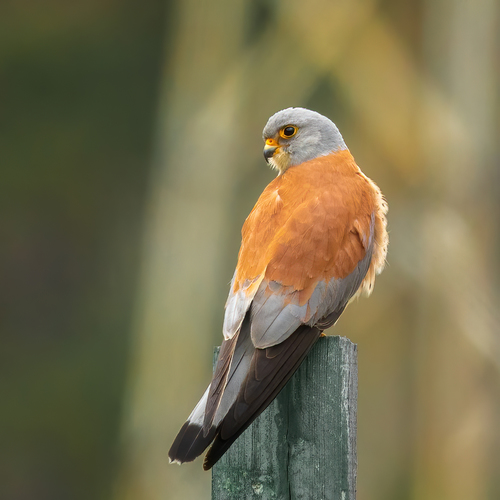 Grillaio
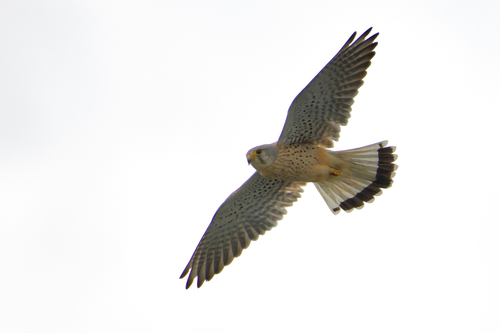 Gheppio
In breve
Il segno di campo più affidabile per separare il Grillaio dal Gheppio è la presenza o l'assenza di una marcata striscia nera malare: il Gheppio di tutte le età e sessi mostra una prominente striscia nera malare, mentre il Grillaio manca completamente di questa caratteristica. I Gheppi maschi adulti mancano anche delle macchie scure sulla schiena visibili nei maschi di Gheppio e mostrano distintive macchie grigie nelle ali. I giovani e le femmine di entrambe le specie sono estremamente simili, ma il Grillaio tende ad essere più chiaro e leggermente più piccolo con ali e coda proporzionalmente più corte. In volo, la struttura e il richiamo possono aiutare, ma attenzione: la sovrapposizione del piumaggio è estesa, specialmente nei giovani uccelli. Un'attenta attenzione al pattern facciale, alla colorazione delle ali e all'aspetto generale è essenziale.
Consigli di identificazione
- Controlla la presenza di una striscia nera malare: Tutti i Gheppi (maschio, femmina, giovane) mostrano una marcata striscia nera malare sul viso; il Grillaio di tutte le età manca di questa caratteristica. Questo è il segno di campo più affidabile in tutte le stagioni.
- Cerca macchie sulla schiena nei maschi adulti: Il Gheppio maschio adulto ha macchie nere prominenti sulla schiena, mentre il Grillaio maschio adulto manca di queste macchie e appare più pulito ruggine sopra.
- Macchie grigie nelle ali del Grillaio maschio adulto: Il Grillaio maschio adulto mostra macchie grigie nelle ali, che non sono presenti nei maschi di Gheppio.
- Colore della coda e della testa nei maschi: I maschi adulti di entrambe le specie hanno teste e code grigie, ma solo i maschi di Gheppio hanno una striscia nera submoustachiale (malare).
- Femmine e giovani sono difficili: Le femmine e i giovani di Grillaio e Gheppio sono molto simili; il Grillaio è leggermente più chiaro e meno marcato, ma questo è sottile e non sempre affidabile.
- Struttura e aspetto: Il Grillaio è più piccolo, più delicato, con ali e coda più corte. In volo, può apparire più compatto e meno 'slanciato' rispetto al Gheppio, ma questo è sottile a meno che entrambe le specie non siano viste insieme.
- Colore degli artigli: Il Grillaio ha artigli di colore bianco-avorio chiaro, a differenza degli artigli scuri del Gheppio. Tuttavia, questo è visibile solo da vicino e raramente utile sul campo.
- Vocalizzazioni: Ascolta il richiamo: 'chay-chay-chay' (Grillaio) contro 'kee-kee-kee' (Gheppio). I richiami sono più utili durante la stagione di riproduzione o quando gli uccelli sono agitati.
- Dimensione della colonia e comportamento: Il Grillaio spesso nidifica e si riposa in grandi colonie, specialmente durante la migrazione o nei terreni invernali. Grandi gruppi di piccoli gheppi nel sud Europa o in Africa sono più probabilmente Grillaio.
- Stagione e posizione: Nel Regno Unito e in gran parte del nord Europa, qualsiasi gheppio è quasi certamente Gheppio. Nel sud Europa, in Nord Africa o in Asia Centrale, entrambe le specie possono verificarsi insieme, specialmente durante la migrazione.
- Proporzioni delle ali e della coda: Il Grillaio ha ali e coda proporzionalmente più corte rispetto al Gheppio, ma questo è meglio giudicato con un confronto diretto.
- Pattern delle ali superiori in volo: Non esiste un forte pattern specifico per l'età delle ali superiori che separi queste specie in volo; concentrati invece sulla struttura e sul pattern facciale.
- Colore delle parti nude: Entrambe le specie hanno cere e piedi gialli, ma solo il Grillaio ha artigli chiari. Il colore del becco e dell'iride non è affidabilmente diverso sul campo.
- Sovrapposizione del piumaggio: Fai attenzione che il piumaggio delle femmine e dei giovani è altamente sovrapposto; non fare affidamento su differenze sottili nella striatura o nel colore a meno che altri segni supportino l'identificazione.
- Rifugio su richiamo e contesto: Se il piumaggio è ambiguo, usa il richiamo, il comportamento e il contesto (dimensione della colonia, stagione, posizione) per supportare la tua identificazione.
Taglia
Il Gheppio è notevolmente più grande e pesante rispetto al Grillaio, con una massa media adulta di 184 g contro 159 g per il Grillaio. Sul campo, questo si traduce nel Gheppio che appare più robusto, con un corpo più lungo (32–39 cm contro 27–33 cm) e un'apertura alare più ampia (65–82 cm contro 63–72 cm). Il Grillaio appare più delicato, con ali e coda proporzionalmente più corte, ma la dimensione da sola è raramente diagnostica a meno che gli uccelli non siano visti fianco a fianco.
Piumaggio
I giovani e le femmine di Grillaio e Gheppio sono estremamente simili, entrambi mostrano schiene marroni e parti inferiori barrate o striate. Tuttavia, tutti i Gheppi (indipendentemente dall'età o dal sesso) hanno una marcata striscia nera malare, che è assente nel Grillaio. I Gheppi maschi adulti mancano delle macchie scure sulla schiena presenti nei maschi di Gheppio e hanno macchie grigie nelle ali, mentre i maschi di Gheppio hanno macchie nere più estese e un cappuccio e una coda blu-grigia uniformi. Le femmine e i giovani di Grillaio sono leggermente più chiari rispetto ai loro omologhi di Gheppio, ma questo è sottile. Nessuna delle due specie mostra forti pattern specifici per l'età delle ali superiori che siano diagnostici in volo, quindi il pattern facciale e le macchie sulla schiena sono più affidabili. Il Grillaio ha anche artigli di colore bianco-avorio (non scuri), ma questo è visibile solo a distanza ravvicinata.
Comportamento
Entrambe le specie cacciano sospendendosi e tuffandosi sulla preda, e entrambe possono nidificare su edifici o scogliere. Il Grillaio è più propenso a nidificare in colonie, spesso in grandi gruppi, mentre il Gheppio è solitamente più solitario o debolmente coloniale. Il Grillaio è più insetti-vorace, specialmente in inverno, e può essere visto in grandi dormitori comuni durante la migrazione o nei terreni invernali. Il Gheppio tende ad essere più generalista nella dieta e meno gregario al di fuori della stagione di riproduzione.
Habitat
Entrambe le specie si sovrappongono ampiamente in termini di distribuzione e habitat, nidificando in campagna aperta, terreni agricoli e aree urbane. Il Grillaio è più migratorio, svernando in Africa e nel Sud Asia, e può essere visto in grandi stormi durante la migrazione o nei terreni invernali. Il Gheppio è più residente o solo parzialmente migratorio in gran parte della sua distribuzione, ed è il gheppio di default nel Regno Unito e in gran parte dell'Europa. L'habitat da solo non è un separatore affidabile dove entrambe le specie si verificano.
Voce
I richiami sono distintivi: il Grillaio emette un 'chay-chay-chay' aspro, mentre il Gheppio produce un richiamo 'kee-kee-kee'. Queste differenze vocali sono diagnostiche se ascoltate bene, ma entrambe le specie sono spesso silenziose al di fuori della stagione di riproduzione.