

Lesser Grass-Finch vs Great Pampa-Finch
Emberizoides ypiranganus contro Embernagra platensis
Fai un quiz con Lesser Grass-Finch e Great Pampa-Finch
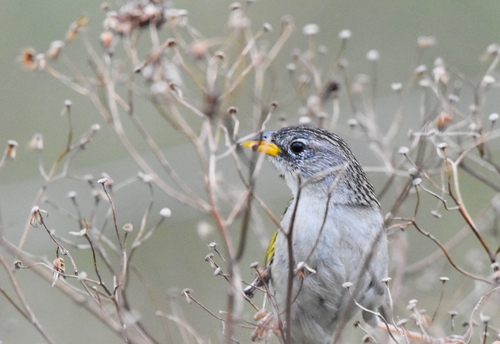 Lesser Grass-Finch
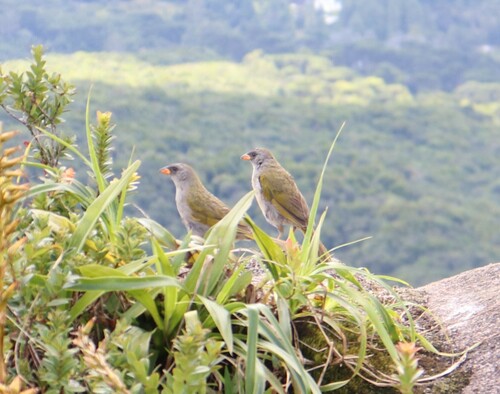 Great Pampa-Finch
In breve
Il segno di campo più affidabile tra Lesser Grass-Finch e Great Pampa-Finch è il motivo della testa: il Lesser Grass-Finch ha un volto grigiastro con un supercilium pallido e un anello oculare sottile, mentre il Great Pampa-Finch mostra una maschera scura audace dalle lore oltre l'occhio su una testa altrimenti grigia. I giovani Lesser Grass-Finches hanno un lavaggio giallastro e un petto striato, che non è presente nel Pampa-Finch. Strutturalmente, il Great Pampa-Finch è molto più robusto, con un becco più spesso e una corporatura più pesante. Entrambe le specie hanno toni verdastri e parti superiori striate, ma il Pampa-Finch è più grande, con una coda più lunga e un aspetto più robusto. In volo o posato, concentrati sul motivo del volto e sulla dimensione del becco per la separazione più rapida.
Consigli di identificazione
- Il motivo della testa è fondamentale: Cerca la maschera scura audace sul Great Pampa-Finch (dalle lore oltre l'occhio) rispetto al volto grigiastro, al supercilium pallido e all'anello oculare sottile del Lesser Grass-Finch. Questo è il segno più affidabile a tutte le età.
- Giovane Lesser Grass-Finch: Se vedi un uccello con un lavaggio giallastro sulle parti superiori, volto e parti inferiori giallastre, e striature sul petto, è un giovane Lesser Grass-Finch. I giovani Pampa-Finch non sono descritti come giallastri o con petto striato.
- Dimensione e forma del becco: Il Great Pampa-Finch ha un becco visibilmente più lungo e spesso rispetto al Lesser Grass-Finch. Se il becco appare massiccio e robusto, è probabile che sia un Pampa-Finch.
- Dimensione del corpo e aspetto: Il Pampa-Finch è quasi due volte più pesante e visibilmente più robusto. Se l'uccello appare grande e pesante per un grass-finch, è probabilmente un Pampa-Finch. Il Lesser Grass-Finch è più snello e delicato.
- Striature delle parti superiori: Entrambi possono essere striati sopra, ma il Lesser Grass-Finch ha toni verdastri-marroni con striature nere sottili (il coda è meno striata), mentre il Pampa-Finch è verde-erba con striature scure di larghezza variabile. Alcune sottospecie di Pampa-Finch non presentano striature.
- Colorazione delle ali: Il Lesser Grass-Finch mostra ali marroni con ampi bordi verdi brillanti; le ali del Pampa-Finch sono verdi-erba con ampi centri neri sulle terziali.
- Motivo della coda: Entrambi hanno lunghe code, ma le piume centrali della coda del Pampa-Finch sono verdastre, con il resto scuro e ampi bordi verdi-erba. La coda del Lesser Grass-Finch ha centri scuri e bordi grigi-marroni.
- Parti inferiori: Il Lesser Grass-Finch è di un grigio-bianco pallido sotto, con fianchi color crema e striature sui fianchi/e sul vent. Il Pampa-Finch è per lo più grigio sotto, più chiaro sulla gola, con un ventre e un vent di colore bianco sporco spesso con una sfumatura cannella-marrone.
- Colore del becco e delle gambe: Entrambi hanno becchi arancioni con culmen nero, ma quello del Pampa-Finch è più spesso/lungo. Il colore delle gambe è variabile ma non è fortemente diagnostico.
- Sessi simili: Nessuna delle due specie mostra dimorfismo sessuale nel piumaggio, quindi non fare affidamento sul sesso per l'identificazione.
- Posato vs. in volo: Entrambe le specie hanno lunghe code e una struttura simile in volo, ma la massa e la dimensione del becco del Pampa-Finch sono evidenti anche in brevi visuali.
- Sovrapposizione dell'habitat: Entrambi si trovano in habitat erbosi aperti simili—non usare l'habitat da solo per separarli.
- Variazione delle sottospecie: Alcune sottospecie di Pampa-Finch (olivascens, catamarcana) hanno meno striature o toni più giallastri/grigi, ma il volto mascherato e il becco spesso rimangono costanti.
- Voce: Non descritta nelle note; non usare vocalizzazioni per la separazione qui.
- Trappole: Non fare affidamento solo su toni verdi o striature generali, poiché entrambi possono mostrarli. Concentrati sul motivo del volto, sulla dimensione del becco e sulla massa complessiva per la separazione più affidabile.
Taglia
Il Great Pampa-Finch è sostanzialmente più grande e pesante: 20.5–23 cm di lunghezza e 45–47 g, rispetto ai 18–20 cm e 18.5–22 g del Lesser Grass-Finch. Il Pampa-Finch è quasi due volte più pesante, con un becco visibilmente più spesso e lungo. Entrambi hanno lunghe code, ma quella del Pampa-Finch è proporzionalmente più lunga. Sul campo, il Pampa-Finch appare più robusto e massiccio, mentre il Lesser Grass-Finch è più snello e delicato.
Piumaggio
- Uccelli giovani/immaturi: Il giovane Lesser Grass-Finch mostra un lavaggio giallastro sulle parti superiori, volto e parti inferiori giallastre, e striature sul petto—caratteristiche non descritte per nessuna età del Great Pampa-Finch. I giovani Pampa-Finch non sono specificamente descritti, ma non si fa menzione di giallo o striature sul petto.
- Motivo della testa adulto: Il Lesser Grass-Finch ha un volto per lo più grigiastro con un supercilium pallido, un anello oculare bianco sottile e lore più scure, dando un aspetto sottile e aperto. Il Great Pampa-Finch ha una maschera scura audace dalle lore oltre l'occhio, creando un aspetto mascherato molto più impressionante.
- Parti superiori: Entrambe le specie hanno parti superiori striate, ma quelle del Lesser Grass-Finch sono verdi-marroni con striature nere (più sottili sulla groppa), mentre quelle del Pampa-Finch sono verdi-erba con striature scure di larghezza variabile. Alcune sottospecie di Pampa-Finch non presentano striature sulle parti superiori (olivascens).
- Ali: Il Lesser Grass-Finch ha ali marroni con ampi bordi verdi brillanti; le ali del Pampa-Finch sono per lo più verdi-erba con ampi centri neri sulle terziali.
- Coda: Entrambi hanno lunghe code, ma le piume centrali del Pampa-Finch sono verdastre, altre scure con ampi bordi verdi; le piume della coda del Lesser Grass-Finch hanno centri scuri e bordi grigi-marroni.
- Parti inferiori: Il Lesser Grass-Finch è di un grigio-bianco pallido sotto, con fianchi color crema e striature sui fianchi e sul vent. Il Pampa-Finch è per lo più grigio sotto, più chiaro sulla gola, con un ventre/vent bianco sporco spesso con un lavaggio cannella-marrone.
- Becco e gambe: Entrambi hanno becchi arancioni con culmen nero, ma quello del Pampa-Finch è più lungo e spesso. Il colore delle gambe è simile, ma alcune sottospecie di Pampa-Finch hanno gambe di un giallo più brillante fino all'arancione.
Comportamento
Entrambe le specie sono uccelli di prateria, spesso visti cercando cibo in basso o a terra. Il Great Pampa-Finch, essendo più grande e pesante, appare spesso più deliberato e robusto nei movimenti, mentre il Lesser Grass-Finch è più leggero e agile. Entrambi possono posarsi su steli d'erba o arbusti, ma la corporatura più pesante del Pampa-Finch è notevole quando visti fianco a fianco.
Habitat
Entrambe le specie si sovrappongono ampiamente in termini di distribuzione (Argentina, Brasile, Paraguay, Uruguay), e entrambe sono specialiste delle praterie. Il Great Pampa-Finch si trova anche in Bolivia. L'habitat da solo non è diagnostico, poiché entrambe preferiscono aree erbose aperte e praterie cespugliose.
Lesser Grass-Finch · Great Pampa-Finch · I miei uccelli difficili