

Least Bittern vs Nitticora
Botaurus exilis contro Nycticorax nycticorax
Fai un quiz con Least Bittern e Nitticora
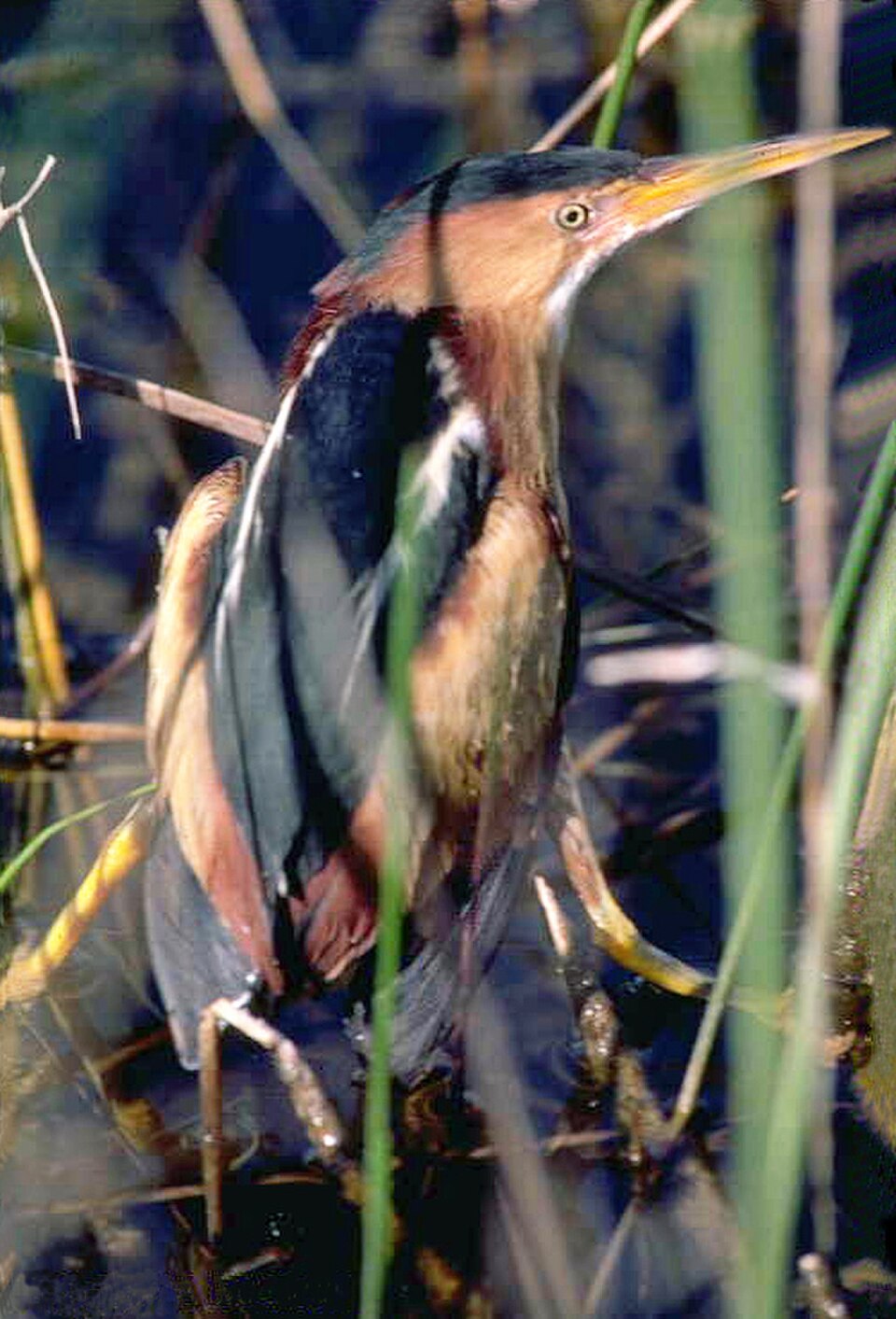 Least Bittern
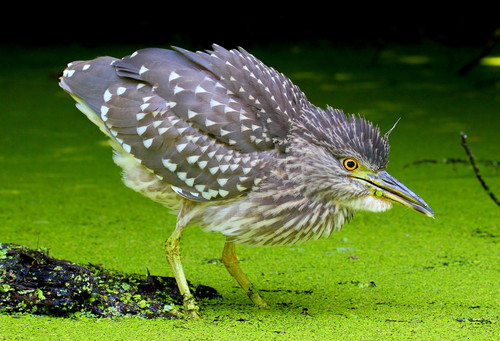 Nitticora
In breve
Il modo più affidabile per separare il Least Bittern dalla Nitticora è la dimensione e la struttura: il Least Bittern è minuscolo, estremamente snello e spesso visto aggrappato a canne, mentre la Nitticora è molto più grande, tozza e si posiziona più apertamente. In volo, il Least Bittern mostra copritrici alari marrone chiaro e una forma compatta, quasi simile a quella di un rallide, mentre la Nitticora (soprattutto gli immaturi) mostra ali larghe e grigie chiare e un profilo pesante e dal collo corto. I giovani nitticori sono marroni e pesantemente macchiati, a differenza di qualsiasi Least Bittern. Entrambe le specie possono essere riservate, ma la loro postura, massa e stile di volo sono sorprendentemente diversi.
Consigli di identificazione
- Size is the first check: Se l'uccello è minuscolo, appena più grande di un rallide o di un piccolo svasso, è un Least Bittern. Se sembra un tipico airone o è quasi delle dimensioni di un corvo, è una Nitticora. Questo vale per tutte le età e i sessi.
- Structure and posture: Il Least Bittern è estremamente snello, con un collo e un becco lunghi e stretti, e spesso si aggrappa verticalmente a canne. L'airone notturno è tozzo, con un collo e un becco corti e spessi, e si posiziona orizzontalmente o accovacciato su rami o in spazi aperti.
- Flight jizz: Il Least Bittern vola con battiti d'ala rapidi e superficiali, collo corto e corpo compatto, spesso basso sopra le canne. La Nitticora ha ali larghe, corpo pesante, con battiti d'ala lenti e profondi e un collo corto e retratto.
- Juvenile/immature plumage: I giovani nitticori sono marroni con pesanti macchie chiare sulle ali e sulla schiena, e parti inferiori striate—nessun Least Bittern mostra mai questo schema. I giovani Least Bittern sembrano adulti ma più opachi, mai macchiati.
- Adult plumage: Il maschio adulto di Least Bittern ha una corona e una schiena lucide di nero-verde; la femmina è marrone lucido. Entrambi hanno linee bianche sulle spalle e copritrici alari marrone chiaro. L'airone notturno adulto ha una corona e una schiena nere, ali grigie chiare, parti inferiori bianche e occhi rossi.
- Wing pattern in flight: Il Least Bittern mostra copritrici alari marrone chiaro che contrastano con le piume di volo più scure; le ali dell'airone notturno sono uniformemente grigie chiare (adulti) o macchiate (giovani).
- Bill color and shape: Il becco del Least Bittern è lungo, snello e giallo. Il becco dell'airone notturno è più corto, più spesso e scuro.
- Eye color: L'airone notturno adulto ha occhi rossi; i giovani arancioni. Il Least Bittern ha occhi gialli a tutte le età.
- Leg color: L'airone notturno ha gambe gialle corte (adulti), che diventano di un rosa salmone brillante durante il corteggiamento; le gambe del Least Bittern non sono così colorate e sono più lunghe in proporzione al corpo.
- Head plumes: L'airone notturno adulto può mostrare lunghe piume bianche sulla testa durante la stagione di riproduzione; il Least Bittern non mostra mai queste.
- Behavior: Il Least Bittern è quasi sempre in canne dense, spesso arrampicandosi o accovacciandosi su steli; l'airone notturno è più probabile che venga visto in spazi aperti, posato su rami o volando al crepuscolo.
- Habitat context: Se l'uccello è profondo nelle canne o nelle canne, specialmente se visto aggrappato a steli, è probabile che sia un Least Bittern. Se è in un albero o su un ramo nudo, o in una colonia, è un airone notturno.
- Group size: I Least Bittern sono solitari o in coppie; gli aironi notturni spesso si radunano in colonie rumorose.
- Voice: Non diagnostico da queste note, ma gli aironi notturni sono molto più rumorosi nelle colonie.
- Seasonal context: I Least Bittern arrivano più tardi e partono prima degli aironi notturni nelle aree di riproduzione condivise, ma questo è sottile e non sempre affidabile.
Taglia
La dimensione è un segno distintivo decisivo: il Least Bittern è uno dei più piccoli aironi del mondo, con una massa corporea media di soli 80g, una lunghezza di 28–36 cm e un'apertura alare di 41–46 cm. Al contrario, la Nitticora è molto più pesante (636g in media) ed è un airone di dimensioni medie con una corporatura molto più robusta e tozza. Anche a distanza, l'airone notturno appare molto più robusto e dal corpo largo, con un collo spesso e gambe relativamente corte rispetto all'aspetto snello ed allungato del Least Bittern. Se entrambe le specie vengono viste nella stessa palude, la differenza di dimensione è inconfondibile.
Piumaggio
I giovani e gli immaturi nitticori sono marroni con numerose macchie chiare a forma di goccia sulle ali, sulla schiena e sulla testa, e hanno parti inferiori striate e chiare—questo aspetto macchiato non è mai mostrato da un Least Bittern di qualsiasi età. Gli adulti nitticori hanno una corona e una schiena nere, ali grigie chiare e parti inferiori bianche, con occhi rossi e talvolta lunghe piume bianche sulla testa. Gli adulti di Least Bittern sono molto più delicati nella colorazione: i maschi hanno una corona e una schiena lucide di nero-verde, le femmine sono marroni lucide, entrambe con linee bianche sulle spalle e copritrici alari marrone chiaro che si vedono in volo. Le loro parti inferiori e la gola sono bianche con striature marrone chiaro. In volo, le copritrici alari marrone chiaro del Least Bittern contrastano con il resto dell'ala, mentre le ali dell'airone notturno sono uniformemente grigie chiare. Il becco del Least Bittern è giallo e snello, mentre quello dell'airone notturno è più spesso e più corto. Anche il colore degli occhi è un indizio: giallo nel Least Bittern, rosso negli aironi notturni adulti, arancione nei giovani.
Comportamento
Il Least Bittern è altamente riservato e spesso visto accovacciato o aggrappato a canne verticali, a volte comprimendo il suo corpo per scivolare tra gli steli. Quando è allarmato, si ferma con il becco puntato verso l'alto e si dondola per mimare la vegetazione palustre. Si nutre arrampicandosi tra le piante piuttosto che guadando. La Nitticora è più probabile che venga vista posata apertamente su rami o in alberi vicino all'acqua, spesso al crepuscolo o di notte. La sua postura è accovacciata quando riposa, ma estende il collo quando caccia. Gli aironi notturni sono sociali nelle colonie e possono essere rumorosi, mentre il Least Bittern è solitario e silenzioso.
Habitat
Entrambe le specie utilizzano gli habitat umidi, ma il Least Bittern è strettamente legato a vegetazione palustre densa e alta (canne, canneti) ed è raramente visto lontano da coperture spesse. La Nitticora è più flessibile, utilizzando una gamma di habitat umidi, comprese le coste aperte, stagni e fiumi, e spesso si riposa in alberi o su rami esposti. Se vedi un airone in un luogo aperto, specialmente in un albero o su un ramo nudo, è molto più probabile che sia un airone notturno piuttosto che un Least Bittern.