
Latham's Snipe vs Beccaccino
Gallinago hardwickii contro Gallinago gallinago
Fai un quiz con Latham's Snipe e Beccaccino
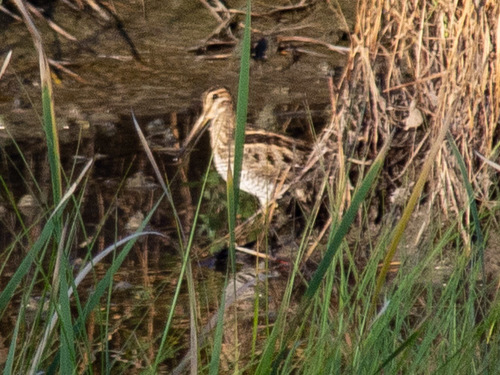 Latham's Snipe
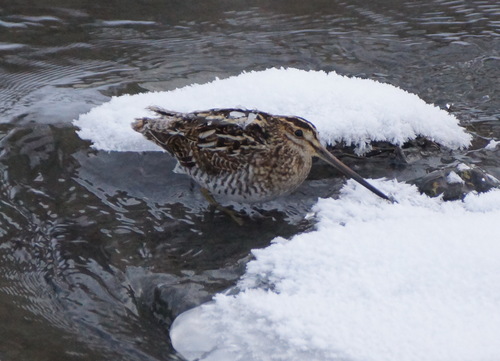 Beccaccino
In breve
Il segno di campo più affidabile tra Latham's Snipe e Beccaccino è la dimensione complessiva: Latham's Snipe è notevolmente più grande e pesante, con un aspetto più massiccio sia in pericolo che in volo. Entrambe le specie condividono un piumaggio criptico marrone, buff e bianco con strisce audaci sulla testa e lunghi becchi dritti, rendendole molto simili a un primo sguardo. Tuttavia, Latham's Snipe ha una lunghezza media maggiore nel corpo e nell'apertura alare, ed è più pesante. Sul campo, differenze sottili nella struttura e nella proporzione sono spesso più utili del piumaggio, poiché entrambe possono mostrare schemi simili, specialmente in uccelli usurati o immaturi. Le vocalizzazioni e le preferenze di habitat possono anche aiutare, ma non sono sempre diagnostiche.
Consigli di identificazione
- La dimensione è il separatore più consistente: Latham's Snipe è decisamente più grande e pesante del Beccaccino. Usa questo quando hai un confronto diretto o esperienza con entrambe le specie.
- Massa e struttura: Latham's Snipe appare più massiccio e con ali più lunghe, specialmente in volo. Beccaccino è più compatto e con ali più corte.
- Lunghezza del becco: Entrambi hanno becchi molto lunghi e dritti, ma il becco di Latham's Snipe può apparire proporzionalmente più lungo a causa delle sue dimensioni maggiori. Questo è sottile e non sempre affidabile.
- Schema della testa: Entrambi mostrano strisce audaci di colore chiaro sopra e sotto una striscia scura attorno all'occhio. Le strisce del Beccaccino sono descritte come giallo paglia; Latham's Snipe è simile, e questo non è un forte separatore.
- Schema delle parti superiori: Entrambi hanno parti superiori criptiche, macchiate di marrone, nero, buff e bianco. Non viene descritta alcuna chiara differenza per età o stagione.
- Parti inferiori: Il Beccaccino è chiaro sotto; Latham's Snipe è simile, senza differenze distintive notate.
- Forma delle ali: Entrambi hanno ali appuntite. L'apertura alare di Latham's Snipe è più lunga, ma questo è evidente solo con esperienza o in confronto diretto.
- Forma e display della coda: I maschi del Beccaccino eseguono un volo di display 'drumming', producendo un suono unico con la coda. Se vedi o senti questo, è diagnostico per il Beccaccino.
- Comportamento in volo: Entrambi si alzano in volo solo quando si avvicinano e volano a zig-zag. Il comportamento in volo è simile, ma Latham's Snipe può apparire più pesante e potente in volo.
- Habitat: Entrambi utilizzano habitat umidi simili. In Australia, Latham's Snipe è il snipe predefinito; in Europa e in gran parte dell'Asia, il Beccaccino è più probabile.
- Stagione e posizione: Latham's Snipe è migratorio e si trova in Australia e nell'Asia orientale, specialmente durante la stagione non riproduttiva. Il Beccaccino è diffuso nel Vecchio Mondo.
- Vocalizzazioni: Solo il Beccaccino è descritto come emettente il suono 'drumming' in display. Entrambi sono altrimenti silenziosi quando si alzano in volo.
- Dimensione del gruppo: Entrambi sono solitamente solitari o in piccoli gruppi; questo non è un separatore affidabile.
- Insidie del piumaggio: I piumaggi immaturi e adulti sono molto simili tra i due, senza differenze specifiche di pattern delle ali superiori o della coda descritte. Non fare affidamento su toni di colore sottili.
- Quando hai dubbi: Se non riesci a giudicare la dimensione o vedere un volo di display, l'identificazione potrebbe non essere possibile sul campo. Usa la posizione, la stagione e la probabilità per informare la tua migliore ipotesi, ma sii onesto riguardo all'incertezza.
Taglia
Latham's Snipe è significativamente più grande: la massa corporea media è di circa 153 g rispetto ai 120 g del Beccaccino. Latham's Snipe misura 29–33 cm di lunghezza con un'apertura alare di 50–54 cm, mentre il Beccaccino è lungo 25–27 cm con un'apertura alare di 44–47 cm. Questa differenza di dimensione è spesso visibile in confronto diretto o con esperienza, ma può essere sottile se vista singolarmente. Latham's Snipe è anche più massiccio e con ali più lunghe, il che può essere evidente in volo o quando è posato tra altri limicoli.
Piumaggio
Entrambe le specie hanno parti superiori criptiche, intricatemente disegnate con nero, marrone, buff e bianco, e audaci strisce chiare sulla testa. Non viene menzionata alcuna differenza specifica di pattern delle ali superiori o della coda in relazione all'età nelle fonti per queste due specie, quindi i piumaggi giovanili e adulti sono simili nei segni di campo. Il Beccaccino mostra strisce giallo paglia sopra e sotto una striscia scura attorno all'occhio, e parti inferiori chiare; Latham's Snipe è descritto come simile ma leggermente più grande e senza menzione di differenze distintive nel piumaggio. Entrambi hanno ali appuntite e lunghi becchi dritti e scuri. Differenze sottili nel tono o nella ricchezza del petto e delle parti superiori possono esistere, ma non sono enfatizzate come affidabili nelle fonti.
Comportamento
Entrambe le specie sono timide, ben camuffate, e si alzano in volo solo quando si avvicinano, volando via in schemi a zig-zag. I maschi del Beccaccino eseguono un volo di display distintivo 'winnowing' o 'drumming' durante il corteggiamento, producendo un suono unico con le penne della coda. Latham's Snipe è migratorio e può essere visto singolarmente o in piccoli gruppi, spesso in aree di erba umida o paludosa. Il comportamento di foraggiamento è simile, sondando nel fango morbido per invertebrati.
Habitat
Il Beccaccino nidifica in paludi, torbiere, tundra e prati umidi in tutto il Vecchio Mondo, preferendo terreni morbidi e fangosi con copertura densa. Latham's Snipe è migratorio lungo la rotta migratoria dell'Asia orientale–Australasia e si trova in habitat umidi simili, specialmente in Australia e nell'Asia orientale. Entrambi possono verificarsi in habitat sovrapposti, quindi il contesto da solo è raramente diagnostico, anche se Latham's Snipe è il snipe previsto in Australia durante la stagione non riproduttiva.
Voce
Il Beccaccino è noto per il volo di display 'drumming' o 'winnowing' del maschio, producendo un suono bleat con le penne della coda, specialmente durante la stagione riproduttiva. Questo suono è distintivo e non è riportato per Latham's Snipe nelle fonti fornite. Entrambe le specie sono generalmente silenziose quando si alzano in volo, con il Beccaccino che emette un forte richiamo 'scape, scape'. Le vocalizzazioni di Latham's Snipe non sono dettagliate nelle fonti, quindi la voce non è un separatore affidabile a meno che non venga osservato il volo di display.