

Lark Sparrow vs Lark Bunting
Chondestes grammacus contro Calamospiza melanocorys
Fai un quiz con Lark Sparrow e Lark Bunting
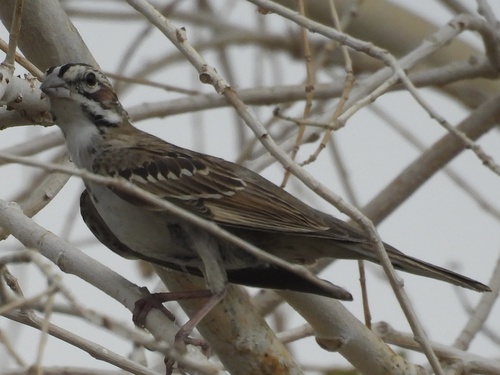 Lark Sparrow
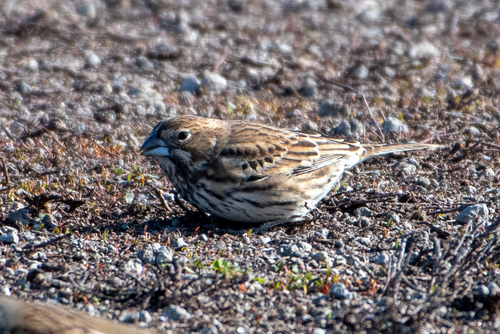 Lark Bunting
In breve
Il segno di campo più affidabile tra Lark Sparrow e Lark Bunting è il modello di testa distintivo del Lark Sparrow: macchie di guancia castano audaci, strisce bianche sulle sopracciglia e sulla corona, e una macchia centrale sul petto, che sono assenti nel Lark Bunting. I Lark Sparrow immaturi mostrano parti inferiori striate e una versione più opaca del modello di testa dell'adulto, mentre i Lark Bunting (soprattutto i maschi in riproduzione) sono per lo più neri con una grande macchia bianca sulle ali, e le femmine/gli immaturi sono uccelli marroni più semplici con segni meno distintivi. In volo, i Lark Sparrow mostrano angoli della coda bianchi, mentre i Lark Bunting mostrano una prominente macchia bianca sulle ali (nei maschi) e mancano del modello di coda nitido del Lark Sparrow. Anche la struttura è utile: i Lark Sparrow sono più snelli e con code più lunghe, mentre i Lark Bunting sono più robusti. È possibile una sovrapposizione degli habitat, ma i Lark Bunting sono più legati a praterie aperte.
Consigli di identificazione
- Head pattern (all ages): Lark Sparrow ha una testa audace e contrastante con macchie di guancia castano, strisce bianche sulle sopracciglia e sulla corona. Lark Bunting (femmina/immaturo) ha un volto semplice e striato senza un modello forte; il maschio è tutto nero senza modello di testa.
- Breast spot (adult Lark Sparrow): Cerca una macchia centrale scura su parti inferiori altrimenti bianche. Il Lark Bunting manca di questa macchia a tutte le età.
- Underpart streaking (immatures): I Lark Sparrow immaturi hanno parti inferiori striate e una versione più opaca del modello di testa dell'adulto. Gli immaturi di Lark Bunting sono striati sotto ma mancano del modello facciale e della macchia sul petto del Lark Sparrow.
- Tail pattern (all ages, in flight): Il Lark Sparrow mostra angoli bianchi su una coda scura, visibili in volo o quando è aperta. Il Lark Bunting manca di angoli bianchi sulla coda; la sua coda è semplice.
- Wing patch (adult male Lark Bunting): Il maschio in riproduzione del Lark Bunting è nero con una grande macchia bianca sulle ali, evidente in volo o quando è posato. Il Lark Sparrow non mostra mai una macchia bianca sulle ali.
- Overall color (adult males): Il Lark Sparrow è marrone e bianco con una testa decorata; il maschio del Lark Bunting è quasi tutto nero con una macchia bianca sulle ali.
- Bill shape: Il Lark Sparrow ha un becco tipico da passero, di dimensioni medie e conico. Il becco del Lark Bunting è più pesante e robusto, specialmente nei maschi.
- Body shape and posture: Il Lark Sparrow è più snello e con una coda più lunga, spesso apparendo più allungato. Il Lark Bunting è più robusto, con una coda più corta e una postura più eretta.
- Song: Il canto del Lark Sparrow inizia con due note chiare, poi ronzio/trilli; quello del Lark Bunting è un mix di fischi e trilli, privo delle chiare note introduttive.
- Call: Il Lark Sparrow emette un sottile 'sit'; il Lark Bunting emette un morbido 'hoo.'
- Habitat: Il Lark Sparrow tollera habitat aperti più vari, inclusi campi coltivati e aree con cespugli sparsi. Il Lark Bunting è più ristretto a praterie aperte e praterie.
- Flocking: I Lark Bunting possono formare colonie sparse durante la stagione di riproduzione; i Lark Sparrow sono più solitari o in piccoli gruppi.
- Distraction display: Le femmine di Lark Sparrow possono eseguire display di distrazione vicino al nido; il Lark Bunting non lo fa.
- Sexual dimorphism: Il Lark Bunting mostra un forte dimorfismo sessuale (maschi neri, femmine/immaturi marroni); i sessi del Lark Sparrow sono simili.
- Juvenile confusion: Se vedi un uccello striato e marrone con un volto opaco ma decorato e angoli bianchi sulla coda, è probabile che sia un Lark Sparrow immaturo. Se il volto è semplice e l'uccello è più robusto, considera il Lark Bunting.
Taglia
Il Lark Sparrow è abbastanza grande per un passero: 15–17 cm (5.9–6.7 in) di lunghezza, 24–33 g (0.8–1.2 oz), con un'apertura alare di 11 in (28 cm) [wikipedia]. Il Lark Bunting è descritto come di dimensioni medie, ma non sono fornite misure dirette nelle note. In pratica, entrambi sono simili in dimensioni, ma il Lark Bunting può apparire più robusto e robusto, mentre il Lark Sparrow è più snello e allungato, specialmente nella coda.
Piumaggio
I Lark Sparrow immaturi sono marroni sopra con parti inferiori striate e una testa più opaca, ma ancora decorata (strisce bianche sulle sopracciglia e sulla corona, macchie di guancia castano). Gli adulti hanno una testa marcata audacemente, parti inferiori bianche con una macchia centrale scura, e una coda scura con angoli bianchi. In volo, gli angoli bianchi della coda sono distintivi a tutte le età. I maschi in riproduzione del Lark Bunting sono quasi completamente neri con una grande macchia bianca sulle ali, che è evidente in volo e quando sono posati. Le femmine e gli immaturi sono marroni e striati, privi del modello di testa nitido e della macchia centrale del Lark Sparrow; mancano anche degli angoli bianchi sulla coda, e la loro macchia sulle ali è molto meno evidente o assente. Pertanto, per tutte le età: Lark Sparrow = testa decorata e angoli bianchi sulla coda; Lark Bunting = volto semplice, senza angoli bianchi sulla coda, e (nei maschi) una grande macchia bianca sulle ali.
Comportamento
Entrambe le specie si nutrono a terra e possono formare stormi al di fuori della stagione di riproduzione. I Lark Sparrow si nutrono spesso in cespugli bassi così come a terra, e sono noti per i loro display di distrazione vicino al nido. I Lark Bunting mostrano più display aerei durante la riproduzione, con i maschi che cantano in volo e scendono per pubblicizzare il territorio. I Lark Bunting sono più propensi a essere visti in colonie sparse durante la riproduzione, mentre i Lark Sparrow sono più solitari o in piccoli gruppi.
Habitat
Entrambe le specie nidificano a terra in habitat erbosi o aperti. I Lark Sparrow utilizzano una gamma più ampia di habitat aperti, inclusi praterie e campi coltivati, a volte con cespugli sparsi. I Lark Bunting sono più strettamente legati a praterie aperte e praterie, specialmente nelle parti centrali e occidentali del Nord America. È possibile una sovrapposizione nelle regioni di praterie miste, ma il Lark Bunting è meno probabile in aree coltivate o cespugliose.
Voce
Il canto del Lark Sparrow è composto da due note chiare seguite da un mix di ronzio e trilli; il suo richiamo in volo è un sottile 'sit' [wikipedia]. Il canto del Lark Bunting è un mix di fischi e trilli, e il suo richiamo è un morbido 'hoo' [wikipedia]. Entrambi hanno canti complessi, ma il canto del Lark Sparrow inizia con note chiare ed è più vario, mentre quello del Lark Bunting è più fischiato e meno ronzante. I richiami sono abbastanza diversi: quello del Lark Sparrow è sottile e acuto, quello del Lark Bunting è morbido e arrotondato.