
Lanceolated Warbler vs Locustella fluviatile
Locustella lanceolata contro Locustella fluviatilis
Fai un quiz con Lanceolated Warbler e Locustella fluviatile
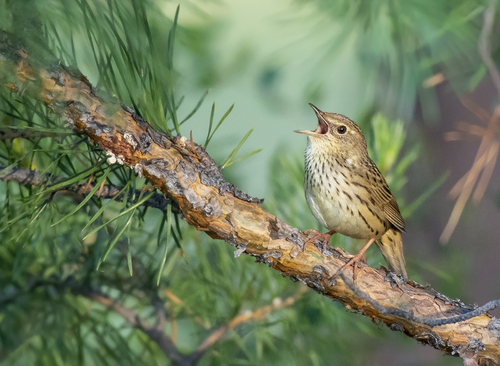 Lanceolated Warbler
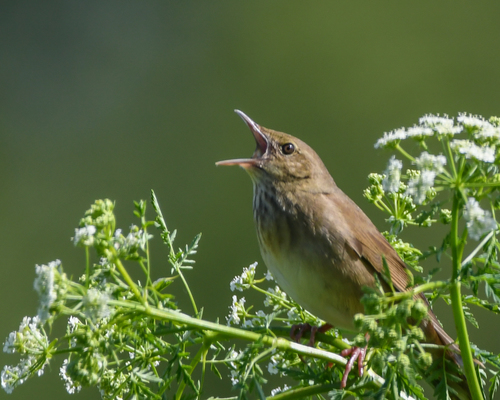 Locustella fluviatile
In breve
Il segno di campo più affidabile per separare il Lanceolated Warbler dal Locustella fluviatile è la presenza di sottili strisce scure sulle parti inferiori e sulla schiena nel Lanceolated, rispetto alla schiena grigio-marrone semplice e non striata del Locustella fluviatile e alle parti inferiori per lo più non marcate. Entrambe le specie possono mostrare alcune striature sul petto, ma solo il Lanceolated Warbler ha le distintive e affilate strisce a forma di 'lancia' che scendono lungo i fianchi e l'area sottocoda. I giovani di entrambe le specie sono più gialli sotto, ma il contrasto delle striature rimane. Il Locustella fluviatile è anche notevolmente più grande e massiccio, con una parte sottocoda più scura e punte delle piume bianche. Sul campo, concentrati sulle striature delle parti inferiori e sulla dimensione complessiva per la separazione più rapida.
Consigli di identificazione
- Striature delle parti inferiori: Il Lanceolated Warbler mostra sempre sottili, affilate e scure strisce sulle parti inferiori grigio-biancastre, fianchi e copritrici della sottocoda. Le parti inferiori del Locustella fluviatile sono per lo più semplici, con solo occasionali deboli striature sul petto.
- Schema della schiena: Il Lanceolated Warbler ha una schiena marrone striata, mentre la schiena del Locustella fluviatile è grigio-marrone semplice senza striature.
- Copritrici della sottocoda: Il Locustella fluviatile ha una sottocoda più scura con punte delle piume bianche, creando un modello contrastante. Le copritrici della sottocoda del Lanceolated Warbler sono striate, non punteggiate.
- Piumaggio giovanile: I giovani di entrambe le specie sono più gialli sotto, ma i giovani del Lanceolated Warbler mostrano ancora le striature diagnostiche, mentre i giovani del Locustella fluviatile rimangono per lo più semplici.
- Dimensione e struttura: Il Locustella fluviatile è notevolmente più grande e pesante (18.8g rispetto a una massa più piccola e non specificata per il Lanceolated), apparendo più massiccio sul campo. Il Lanceolated è più piccolo e più delicato.
- Striature del petto: Se un Locustella fluviatile mostra delle striature sul petto, non sono mai così nitide o estese come nel Lanceolated Warbler. Usa cautela con individui usurati o aberranti.
- Sesso e età: Entrambe le specie sono sessualmente monomorfiche; le differenze nelle striature e nelle dimensioni si applicano a tutte le età e sessi.
- Canto: Il canto del Locustella fluviatile è un lungo, meccanico e ripetitivo, ma questo non è affidabilmente diagnostico rispetto al Lanceolated Warbler senza esperienza, poiché entrambi sono warbler Locustella che cantano.
- Habitat e distribuzione: Se osservato in Europa, controlla l'area di riproduzione—il Locustella fluviatile è più occidentale e meridionale, il Lanceolated più settentrionale e orientale, ma la vaganza è possibile.
- Comportamento: Entrambi sono schivi e raramente visti in campo aperto, ma il Locustella fluviatile è particolarmente elusivo tranne quando canta.
- Insidie del modello della sottocoda: Alcuni River Warblers possono mostrare un ridotto scuro sulle copritrici della sottocoda, ma il modello complessivo è ancora di piume bianche punteggiate, non le sottili striature del Lanceolated.
- Nessuna differenza nel pannello alare o nel modello di volo: Non sono descritti segni distintivi sulle ali superiori o sul volo per nessuna delle due specie, quindi non fare affidamento su queste caratteristiche.
- Contesto: Se vedi un piccolo warbler Locustella con striature affilate sulle parti inferiori, è quasi certamente un Lanceolated. Se l'uccello è più grande, con schiena semplice e mostra copritrici della sottocoda con punte bianche, è un Locustella fluviatile.
- Insidie: Fai attenzione a River Warblers usurati o aberranti con marcature ridotte sulla sottocoda, ma anche questi mancano delle affilate striature lanceolate del Lanceolated Warbler.
- Controllo del riepilogo: Inizia sempre con le striature delle parti inferiori e della schiena, poi controlla il modello della sottocoda e la dimensione complessiva per conferma.
Taglia
Il Locustella fluviatile è significativamente più grande e pesante del Lanceolated Warbler, con una massa corporea di circa 18.8 grammi [wikidata]. Il Lanceolated Warbler è un piccolo warbler, apparendo più delicato e compatto rispetto alla costruzione 'grande' e più robusta del Locustella fluviatile. Questa differenza è evidente quando entrambi sono visti fianco a fianco o con esperienza, ma può essere sottile se è presente solo un uccello. Le proporzioni del becco e della coda non sono descritte come diagnostiche nelle fonti disponibili.
Piumaggio
Per tutte le età, il Lanceolated Warbler mostra sottili strisce scure sulla schiena marrone e soprattutto sulle parti inferiori grigio-biancastre, comprese le copritrici dei fianchi e della sottocoda—queste strisce sono affilate e a forma di 'lancia'. Il Locustella fluviatile, al contrario, ha una schiena grigio-marrone semplice e non striata e parti inferiori grigio-biancastre, con le copritrici della sottocoda che mostrano un modello distintivo: punte delle piume bianche su uno sfondo più scuro, creando un effetto contrastante. Alcuni River Warblers possono mostrare un ridotto scuro sulla sottocoda (con punte bianche più estese), ma mancano comunque delle striature nitide e strette del Lanceolated. I giovani di entrambe le specie sono più gialli sotto, ma il modello delle striature rimane una differenza chiave. Se un Locustella fluviatile mostra deboli striature sul petto, non sono mai così nitide o estese come nel Lanceolated Warbler. Non sono descritte differenze specifiche per età nel modello delle ali superiori o nel volo nelle fonti.
Comportamento
Entrambe le specie sono segrete e preferiscono nascondersi in erba densa o fogliame basso, rendendole difficili da osservare tranne quando cantano. Il Locustella fluviatile è particolarmente noto per strisciare attraverso l'erba e essere difficile da vedere, tranne a volte quando canta. Non c'è menzione di differenze nello stile di volo o nel comportamento tra i due nelle fonti disponibili.
Habitat
Il Lanceolated Warbler nidifica dalla Russia europea nord-occidentale attraverso il Paleartico fino al nord di Hokkaidō, Giappone, mentre il Locustella fluviatile nidifica nell'Europa orientale e centrale. Entrambi sono migratori, ma i loro terreni invernali non si sovrappongono: il Lanceolated sverna nel sud-est asiatico, il Locustella fluviatile nell'Africa meridionale interna. Sul campo, le loro aree di riproduzione sono il contesto più probabile per la confusione, ma le preferenze di habitat all'interno di quelle aree non sono dettagliate nelle fonti.
Voce
Il canto del Locustella fluviatile è un ripetitivo, meccanico e monotono, spesso paragonato a una macchina da cucire e emesso per lunghi periodi, specialmente al crepuscolo. Questo è simile ad altri warbler Locustella, e non è descritta alcuna vocalizzazione distintiva per il Lanceolated Warbler nelle fonti disponibili. Pertanto, il canto potrebbe non essere affidabilmente diagnostico tra questi due senza esperienza.
Lanceolated Warbler · Locustella fluviatile · I miei uccelli difficili